























The health of potted plants is not revealed solely by their vibrant leaves or blooming flowers. Long before a plant begins to wilt or drop its foliage, it communicates underlying stress directly through its growing medium. Changes in soil color, moisture retention, surface texture, and the sudden appearance of micro-organisms provide vital clues about root health. By learning to recognize these early signals, garden enthusiasts can take prompt corrective action and prevent permanent plant damage. Paying close attention to container soil during routine care is one of the most effective ways to maintain a thriving garden.
White Crust Formation: Mineral Buildup vs Fertilizer
When a thin, white crust appears across the top layer of container soil, avoid assuming it is beneficial fertilizer. This powdery deposit typically results from the accumulation of mineral salts present in tap water or excess fertilizer residue. Frequent overwatering accelerates this buildup as water evaporates and leaves concentrated salts behind. To resolve this issue, carefully scrape off the top inch of affected soil and replace it with fresh, nutrient-rich potting mix. Additionally, extend the duration between watering sessions to allow the upper soil layer to dry out naturally.
White Mold and Webbing: Signs of Excess Moisture and Low Sunlight
The appearance of a white, web-like fungus or mold on top of the soil indicates an urgent need to adjust plant care routines. Fungal growth thrives in environments characterized by persistent high moisture, insufficient sunlight, and restricted airflow. If soil remains constantly waterlogged, oxygen cannot reach the roots, leading to root rot. Remediate this by immediately relocating the container to a bright, well-ventilated area. Resume watering only when the top layer of soil feels completely dry to the touch upon testing.
Crawling Insects in Soil: When to Take Action
Observing small organisms crawling within potted soil is not always an immediate cause for alarm. Healthy organic soil naturally supports a modest population of beneficial micro-fauna. However, a sudden surge in insect numbers accompanied by yellowing leaves signals an ecological imbalance. Excessive moisture combined with decaying organic matter creates ideal breeding conditions for soil pests. Allow the soil to dry out moderately and verify that the container's drainage hole is unobstructed to prevent water stagnation.
Earthworm Populations: Balancing Soil Aeration in Containers
Earthworms are generally highly advantageous in garden beds because their movement aerates the soil and creates a loose, crumbly texture. This structure enables air and water to penetrate deep into root zones. However, in small containers, an excessively high earthworm population combined with overly wet soil can disrupt root stability. If earthworm numbers multiply rapidly while soil stays soggy, evaluate the pot's drainage efficiency. Maintaining a balanced soil ecosystem suited to the specific container size is essential for long-term health.
Hard and Compacted Soil: Oxygen Deprivation at the Root Zone
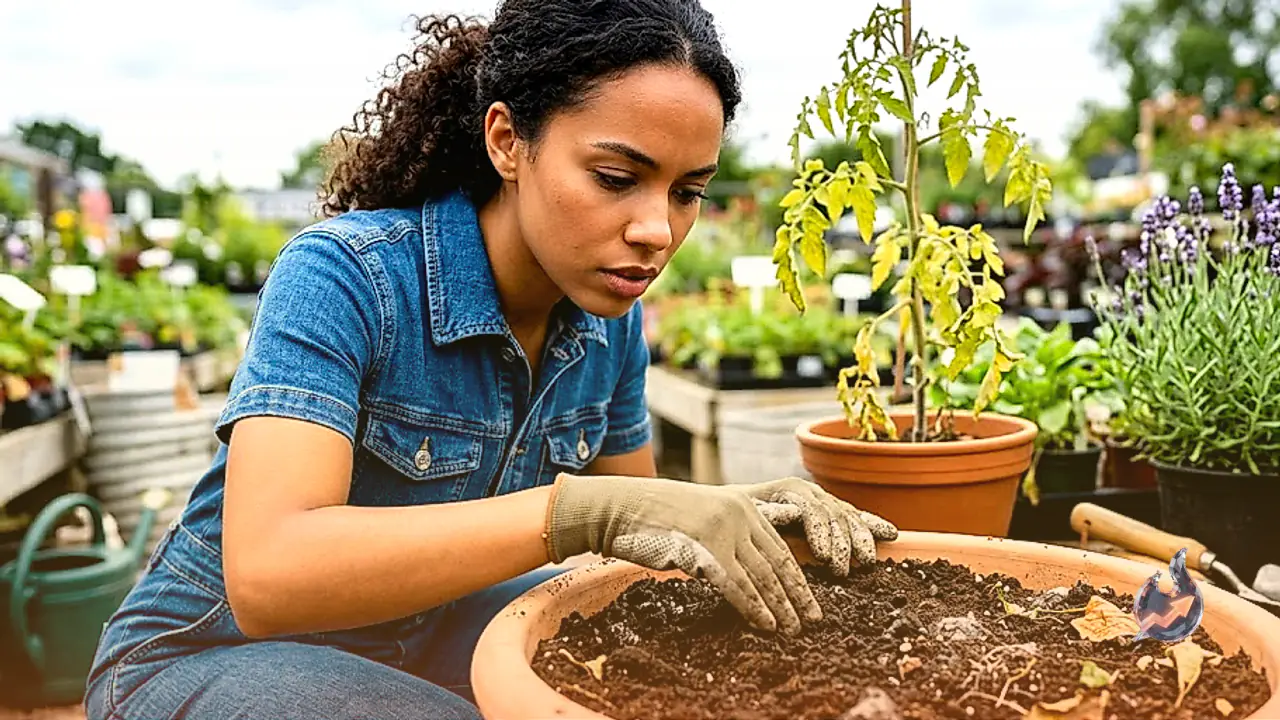
If potting soil feels dense and hard to the touch, and added water immediately drains down the inner sides of the pot without soaking in, the medium has become severely compacted. Compacted soil restricts oxygen movement to root systems, significantly stunting overall plant growth. To fix this, periodically use a small hand tool to gently loosen the upper crust of soil. If necessary, incorporate fresh organic compost or perlite to restore a loose, well-aerated soil structure.
Chronically Dry Soil: Proper Irrigation and Moisture Testing
Conversely, soil that repeatedly appears bone-dry and cracked indicates that the plant is suffering from chronic underwatering. Small containers lose moisture very rapidly, especially during warm weather. However, drenching the plant indiscriminately can cause secondary stress. Always perform a simple finger test by inserting a finger an inch into the soil before watering. If the medium feels dry below the surface, water thoroughly until liquid drains freely from the bottom exit holes.
Establishing a Weekly Soil Inspection Routine
Understanding the needs of potted plants by examining their soil requires minimal effort once a regular routine is established. Never ignore key indicators such as surface crusts, fungal growth, pest surges, prolonged sogginess, or extreme dryness. Because individual plant species require varying levels of sunlight, moisture, and soil aeration, blanket watering schedules rarely work. Spending just a few minutes each week inspecting container soil allows you to diagnose problems early and keep your home garden flourishing.