






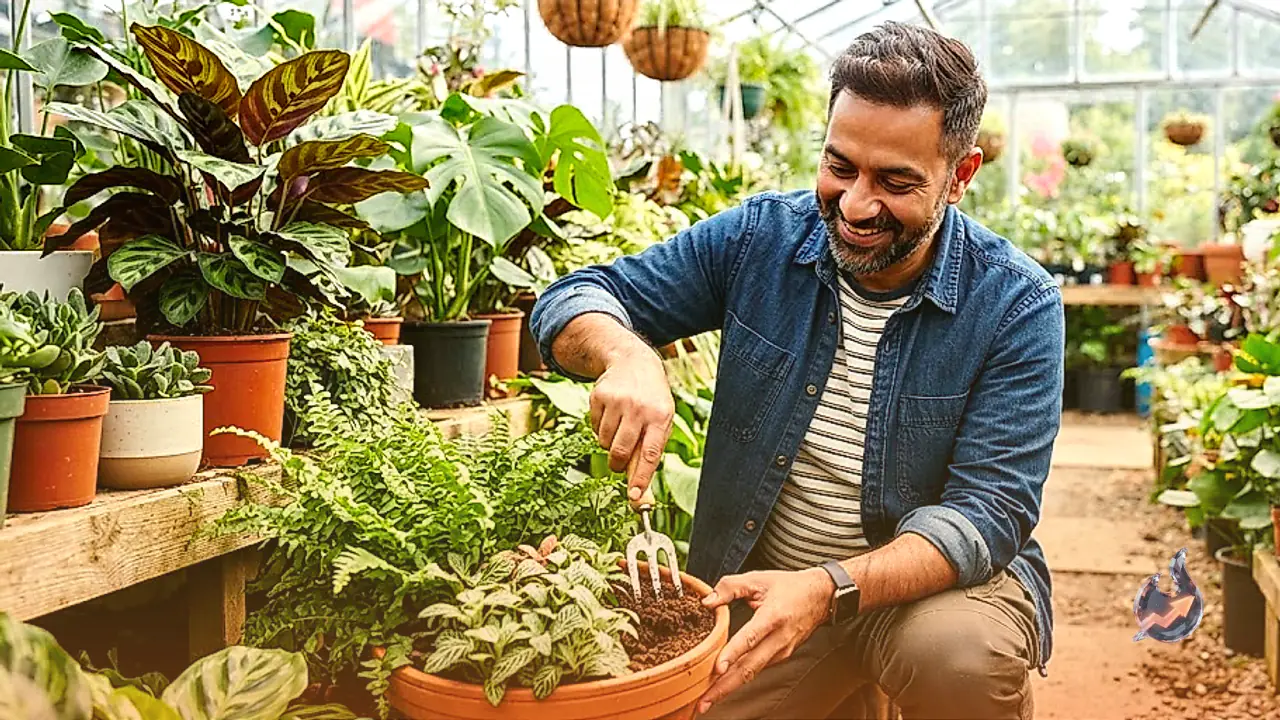
















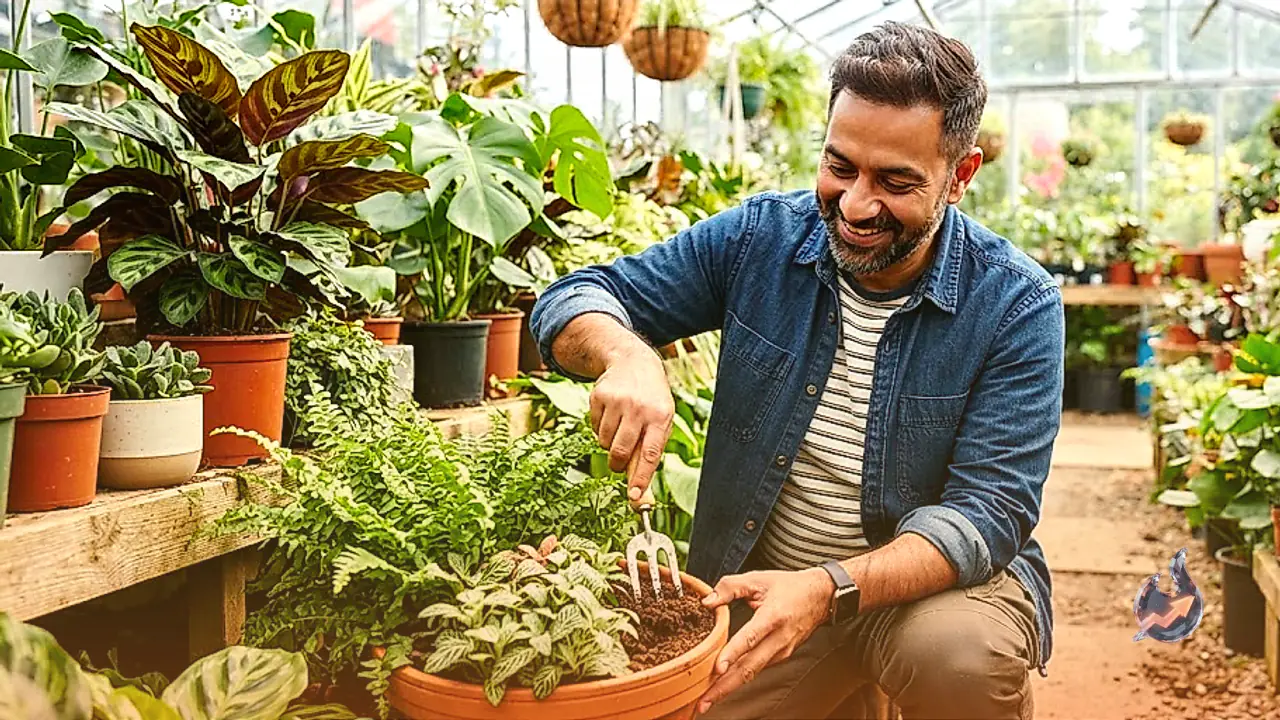

Keeping potted garden plants vibrant and lush at home involves far more than merely pouring water into containers on a routine schedule. Indoor and patio gardeners frequently discover that despite frequent watering, foliage begins to yellow, branches wither, and whole pots dry out unexpectedly. Nursery operator Nek Singh explains that avoiding these setbacks requires a disciplined approach to soil management, targeted nourishment, and accurate environmental placement tailored to each variety.
Loosening Soil Every Eight Days for Root Aeration
Over repeated watering cycles, container soil naturally packs down and hardens into a dense block. When this happens, roots lose the room they need to spread and can no longer draw in vital oxygen from the air pockets within the soil. Nek Singh advises that gardeners should gently loosen the soil in their pots every eight days. This regular aeration keeps the medium crumbly and open, allowing fresh air to reach down directly to the root structure. Care must be taken during this process to avoid cutting or bruising the primary roots. For smaller containers and species with tender, shallow roots, gently easing only the uppermost layer of dirt remains the safest practice.
Delivering Balanced Organic Compost and Manure
Hydration alone cannot sustain vigorous foliage; plants also require consistent replenishment of spent soil nutrients. According to Nek Singh, growers should periodically feed their pots with organic compost or well-rotted cow manure. These natural amendments restore vital minerals to the potting medium, driving strong stem and leaf development. However, fertilisation must be calibrated against the specific plant variety, the size of the container, and the current condition of the potting mix. Applying excessive fertilizer can scorch tender root tips and create severe damage, making moderate, balanced distribution essential.
Separating Indoor Moisture Checks From Outdoor Watering Needs
A frequent mistake in home gardening is treating every indoor and outdoor pot to an identical watering schedule. Nek Singh warns that such uniform treatment often leads to severe root issues. Indoor house plants must have their soil checked for residual moisture before any fresh water is added; if the dirt feels damp underneath the surface, watering should be postponed immediately. Conversely, outdoor pots subjected to intense sunshine and warmer temperatures naturally dry out much faster and require more frequent hydration. Because every variety demands a distinct moisture level, containers must also feature unobstructed drainage holes so that stagnant water never pools around the root zone.
Pruning Dead Foliage and Maintaining Flowering Stems
When leaves dry out or individual branches begin to decline, leaving them attached saps energy from the rest of the plant. Nek Singh points out that trimming away dead leaves and deteriorating branches allows the plant to channel its resources directly into healthy sections, thereby encouraging vigorous fresh shoots. Flowering varieties such as roses benefit immensely from timely trimming combined with disciplined nutrition. Gardeners should always rely on clean, sharp shears to avoid tearing the stems, and they should avoid over-pruning too much healthy growth at once so the plant's overall development is not disrupted.
Adjusting Sunlight Placement to Avoid Scorch and Yellowing
Light requirements vary significantly across different species of container plants. While certain varieties thrive under intense, direct sunlight, others flourish only when shielded in deep shade or positioned under bright, filtered light. Grouping all pots into the same courtyard corner or windowsill frequently harms sensitive specimens. Nek Singh notes that containers should be stationed strictly according to their individual exposure preferences. If foliage begins turning pale yellow, shows signs of wilting, or develops brown scorch marks, the plant's location and care routine must be altered immediately to restore its health.
Managing Pests Organically With Neem Oil Applications
Insects feeding on leaves and soft shoots can quickly stunt growth and damage entire containers. Regular visual inspections of the foliage and stems help spot emerging infestations before they spread. Nek Singh recommends spraying neem oil as an effective, natural defence against garden pests, provided it is diluted strictly according to product instructions. Alongside neem treatments, gardeners should clear fallen dried leaves from the soil surface and ensure saucers do not retain pooled runoff. Consistent attention to aeration, measured watering, organic feeding, tailored sunlight, and timely pruning ensures that home gardens remain green and resilient over the long term.