




















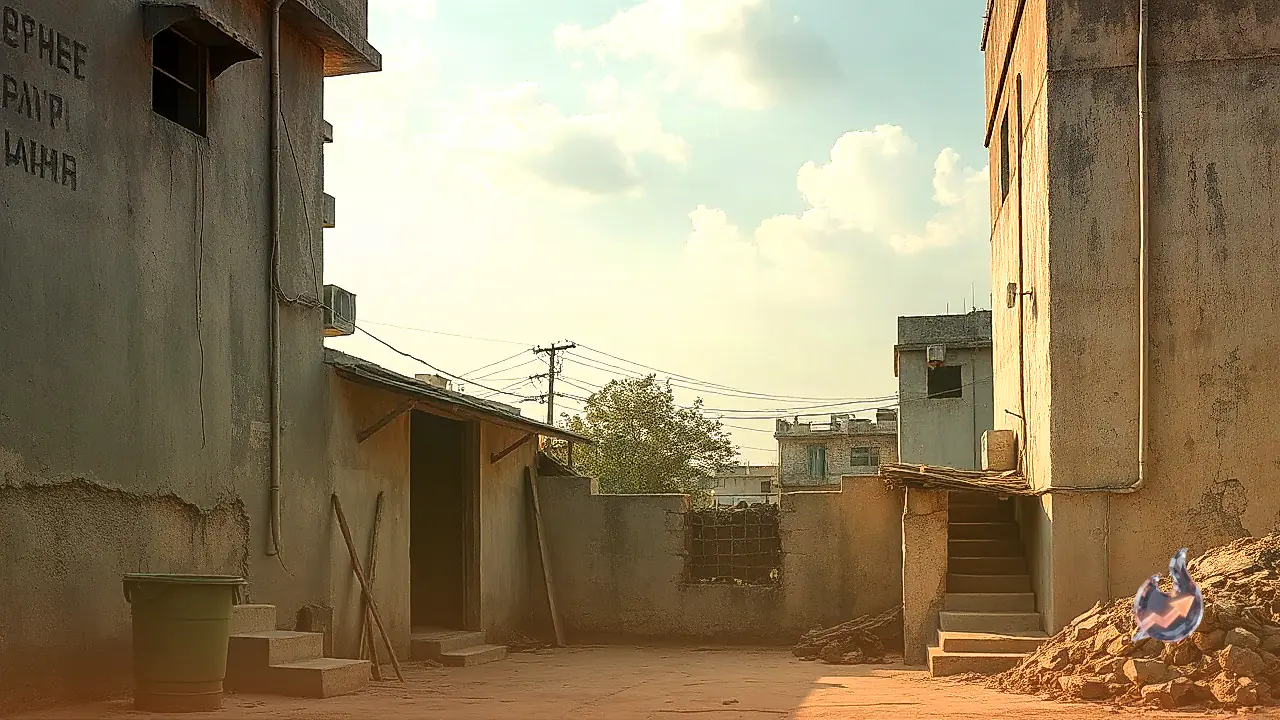

Food, clothing, and shelter form the fundamental necessities of human life. Building a house is a monumental milestone that often consumes the hard-earned savings of a lifetime. This makes paying attention to intricate details during construction essential to avoid major headaches later. Homeowners frequently overlook crucial steps out of oversight or haste, leading to persistent issues down the line. While people often invest heavily in constructing a magnificent structural framework, they sometimes neglect critical procedures while applying wall plaster, causing the plaster to crack and peel off after a few years.
Impact on Aesthetics and Structural Integrity
The peeling of wall plaster severely damages the visual appeal and finish of a residence. Identifying the exact protocols that need strict adherence during plastering becomes vital. Baiju Kumar, a resident of the Ghosi block in Jehanabad, works as a professional mason and handles construction contracting. Backed by a decade of hands-on experience, Baiju believes that a home's overall elegance relies directly on its structural execution. A house fails to look appealing or remain durable unless built with absolute precision. Every single stage requires meticulous care, stretching right from the initial foundation work down to the final wall painting. Even when high-grade cement is used, the plaster occasionally starts crumbling and dropping off in granular pieces over time.
The Importance of Proper Curing Before Plastering
According to Baiju, this specific problem occurs in nearly every residential building. Homeowners must stay vigilant during the active plastering phase to prevent such structural flaws. Whenever workers apply plaster to brick walls, they must ensure the masonry is thoroughly soaked with water beforehand. Failing to dampen the walls adequately prevents the mortar mixture from adhering properly to the surface. As the improperly bonded mortar dries over time, it triggers significant structural issues. Ensuring the bricks receive maximum moisture prior to plastering guarantees a much stronger and more durable plaster finish.
Preventing Dampness and Securing Long-Term Safety
The seasoned contractor further explains that adhering to proper saturation techniques prevents the mortar from detaching later and eliminates persistent dampness or seepage problems. Every property owner must remember that building a house involves investing lifelong savings, making it crucial to ensure the money translates into lasting structural quality. Baiju has spent the last 10 years working as a contractor across Ghosi and its surrounding areas, currently taking on large plot development and residential construction projects. He emphasizes that the precautions taken during the construction phase serve as a core guarantee for future safety and durability.