






















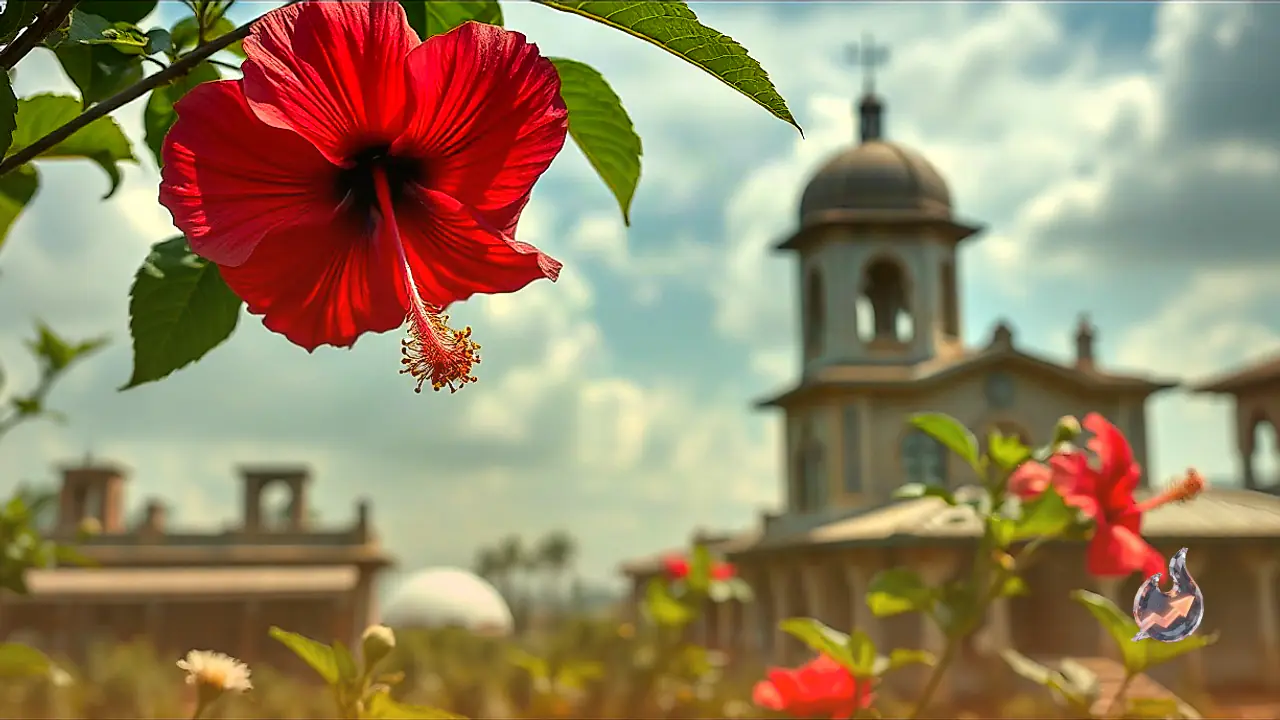

A bud forms, looks ready to open, and then snaps off and drops to the ground overnight, or a plant simply sits unchanged for weeks with no new leaf or shoot. If this keeps happening to the hibiscus, jasmine or mogra in your garden or balcony, the cause usually isn't watering or sunlight at all. It's an imbalance in the nutrients the soil is actually able to offer.
Just like people, plants need a consistent, balanced supply of nutrients to grow well and flower fully. Whatever nutrition was originally in a pot's soil gets used up within a few months. Once that supply runs low and nothing is added from outside, the plant weakens, leaves lose their colour, and buds fall off before they ever fully develop. That's why watering and sunlight alone don't solve the problem, the soil's nutrient level needs just as much attention.
Understanding the core N-P-K balance
Every fertiliser packet carries three numbers, commonly known as N-P-K, standing for nitrogen, phosphorus and potassium. Nitrogen drives leaf and stem growth, so a shortage leaves the plant weak with pale, yellowing leaves, but too much nitrogen backfires too, pushing the plant into heavy leaf growth while flowering drops. Phosphorus strengthens root development and supports overall growth, and it needs to be supplied in a balanced amount, neither too little nor excessive. Potassium helps a plant cope with stress from weather, pests or disease, and it's essential for normal growth and photosynthesis. That's why it's worth checking the numbers printed on a fertiliser pack, something like 10-10-10 means all three nutrients are present in equal proportion. But no single ratio suits every pot, since different plants and different soils demand different combinations.
Why hibiscus needs a bit of extra attention
Hibiscus doesn't thrive on N-P-K alone. It commonly runs short on micronutrients like iron and manganese, particularly when soil conditions aren't ideal for the plant. Once these two elements become scarce, new leaves start turning pale yellow and the plant loses its usual shine. That doesn't mean adding them constantly, though, they should only be supplied once the deficiency symptoms actually show up.
Calcium, magnesium, sulphur and the trace elements
Beyond N-P-K, calcium, magnesium and sulphur also matter for plant health, though they're needed in far smaller quantities than the primary three. Zinc, copper and boron are needed in even tinier amounts. One thing worth being clear about, overdoing these trace elements can actually cause harm rather than help, so they should be used sparingly and only with good reason.
A practical diet chart for flowering plants
Start by gently loosening the top layer of soil in the pot and adding a light layer of well-rotted organic manure or compost, making sure it doesn't sit pressed directly against the stem. If the plant is in an active growth phase and appears to need extra nourishment, a balanced NPK fertiliser formulated for flowering plants can be applied lightly, following the instructions on the label. The quantity should always be decided based on the product's own guidance and the size of the pot or plant.
Iron, manganese or any other micronutrient should only be added when deficiency symptoms are clearly visible or when a soil test flags the need. A soil test doesn't just reveal how much phosphorus, potassium, calcium and magnesium is available, it also shows the soil's pH level, which helps in deciding what to feed next. Jasmine, for its part, mostly grows better in well-drained soil. Crepe jasmine performs best in soil that stays moist yet drains well, and if the soil leans slightly alkaline, regular light feeding can help prevent chlorosis, the yellowing of leaves that shows up in such conditions.
More fertiliser isn't the answer
The most common mistake gardeners make is assuming more fertiliser automatically means more flowers. It's actually the opposite. Overfeeding hibiscus pushes leaf growth into overdrive while the flower count can actually drop. Excess fertiliser damages the roots and throws off the nutrient balance in the soil, which directly hurts the plant's overall health. Fertiliser quantity should always be based on what the soil and plant genuinely need, not on the urge to force quicker blooms.
In the end, there's no single fixed formula that works for hibiscus, jasmine or any flowering plant. Feeding decisions should factor in the plant's age, the pot size, the soil type, the season and how the plant is currently growing. Plenty of sunlight, the right amount of water, good drainage and balanced nutrition, together, these are what keep a garden consistently green and in bloom.