




















Weather and the monsoon season have always held immense importance in the realm of agriculture. In the contemporary digital and modern era, people rely on various advanced technologies and scientific instruments to forecast weather conditions. However, there was a time when such modern machinery did not exist, yet farmers managed to accurately gauge the arrival and departure of the monsoon. While tracking the arrival of rains was relatively straightforward, determining exactly when the monsoon would retreat was considered quite challenging. Only knowledgeable and experienced local elders were able to decipher these shifts. Even in today's age of modernization, vivid examples of those ancient methods and traditional sayings can still be witnessed in rural areas, offering accurate insights into the end of the rainy season.
Wild Grass Blooms as a Sign of Changing Weather
Surya Pal Yadav, an elderly farming expert residing in Amethi, explains that even in today's modern age, the biggest indicator of the retreating monsoon is the appearance of white blooms on wild grass in the fields. A popular local proverb encapsulates this phenomenon, stating that when the grass blooms in the fields, one should know that the rains have departed. This serves as the primary and most prominent natural signal that the rainy season is drawing to a close. Additionally, a secondary indicator involves winged insects emerging from ants inside homes; when these flying bugs stop appearing around the house, it is similarly understood that the monsoon is bidding farewell.
Clear Skies and Crop Maturation
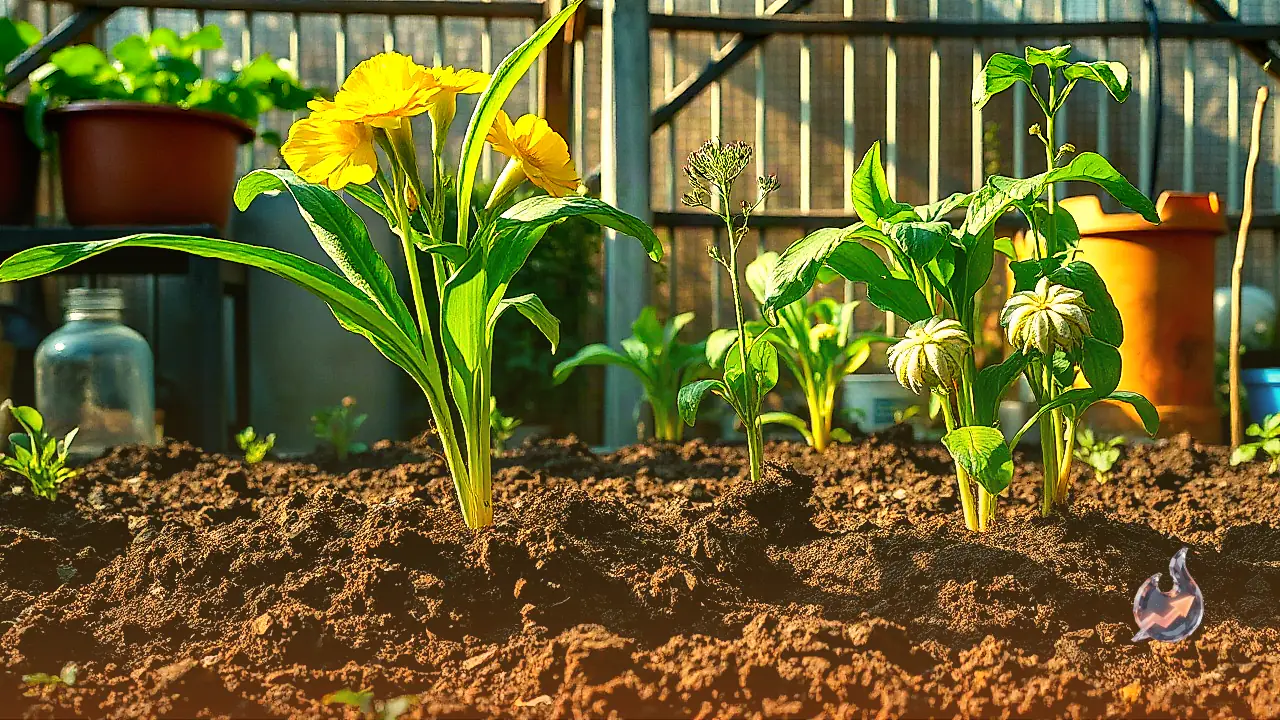
Elaborating on further natural changes, Surya Pal Yadav notes that when the sky becomes completely clear, devoid of clouds, and bright sunshine persists continuously, it is also interpreted as a clear sign of the monsoon's withdrawal. Alongside this, the condition of standing crops offers another major clue. When panicles emerge in paddy and pearl millet fields and begin turning a light yellow hue, it indicates that the crops no longer require excessive rainfall and instead need intense sunlight to mature properly.
Relevance of Traditional Knowledge in Modern Times
Surya Pal Yadav points out that in earlier times, when science and technology were not advanced, people did not rely on machines. Instead, they discerned the arrival and departure of the monsoon through these very natural techniques. Even in today's era, older generations continue to understand the significance of these methods. Although the importance of these traditional indicators has declined due to scientific advancements and modern lifestyles, these natural signs historically served as the definitive markers of the monsoon's departure.