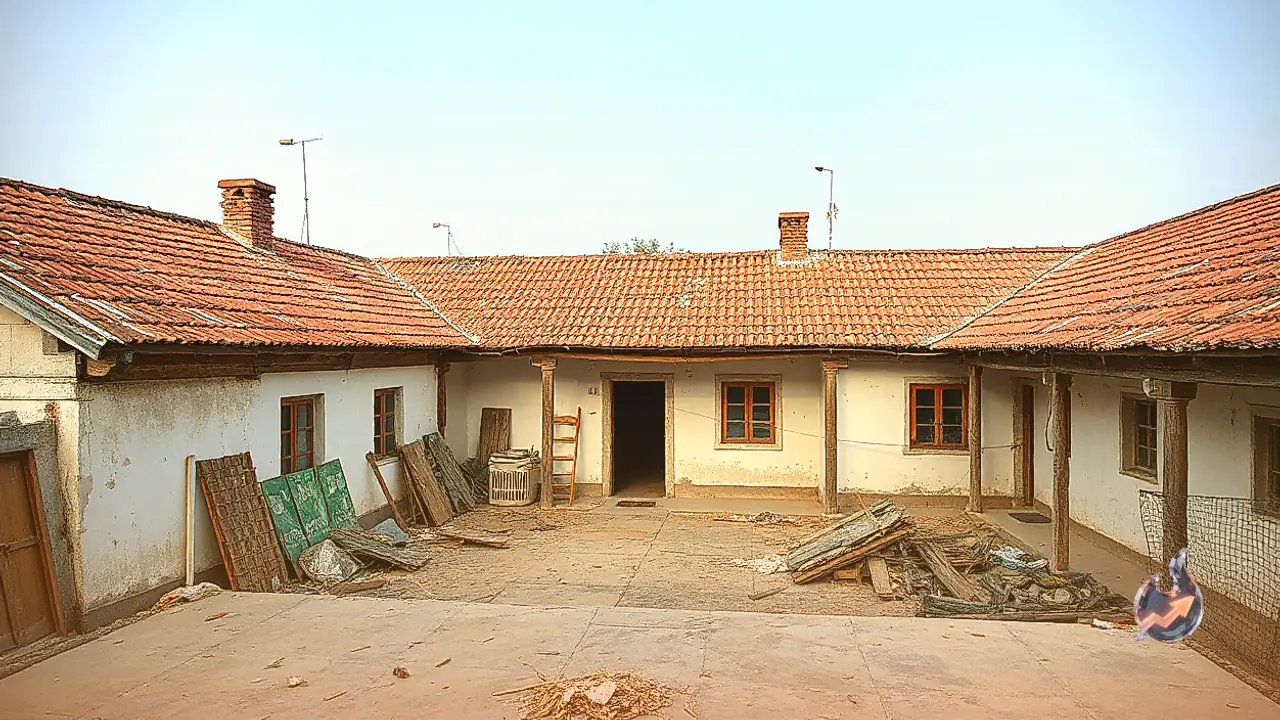

In aging residential structures, concrete and plaster inevitably weaken over time. When surface plaster begins to flake off, the embedded iron reinforcement bars often become exposed. This serves as a clear indication that the steel is rusting or the concrete is deteriorating. Ignoring these warning signs under the assumption that they are minor issues can lead to severe structural hazards.
According to experienced masons, certain roofs can be restored by applying an extra layer of material over the existing structure. Recommended procedures typically involve using small aggregate stones, a grid of steel bars, and fresh concrete. However, this method is not suitable for every roof, making it essential to first evaluate the load-bearing capacity of the structure before proceeding with any work.
Masons suggest laying ten millimeter steel bars in a nine by nine inch grid pattern, followed by pouring a fresh concrete slab over it. Afterward, an appropriate slope must be created on the top surface to ensure proper drainage of rainwater. Because adding extra layers increases the overall load on the building, consulting a structural engineer is strongly advised.
For a roof measuring approximately one thousand square feet, laying a steel mesh and casting a new protective layer can incur an estimated expenditure of about 45,000 rupees. This figure is merely an approximation, and the actual cost will fluctuate based on material availability, steel prices, labor wages, and the specific physical condition of the roof.
When a roof suffers from active leaks or persistent dampness, simply applying a surface coat of cement will not resolve the underlying issue. The precise root cause of the seepage must be investigated first. Depending on the damage, this may require chipping away compromised concrete, treating the exposed steel for rust, and implementing professional waterproofing measures.
If a roof exhibits wide structural cracks, heavily corroded reinforcement bars, falling concrete chunks, or visible sagging in the lintel, the area directly underneath must be vacated immediately. Under such hazardous conditions, repair work or new casting should never be initiated without a thorough inspection by a qualified civil engineer. Merely adding a fresh layer on top does not make a weakened roof structurally secure.