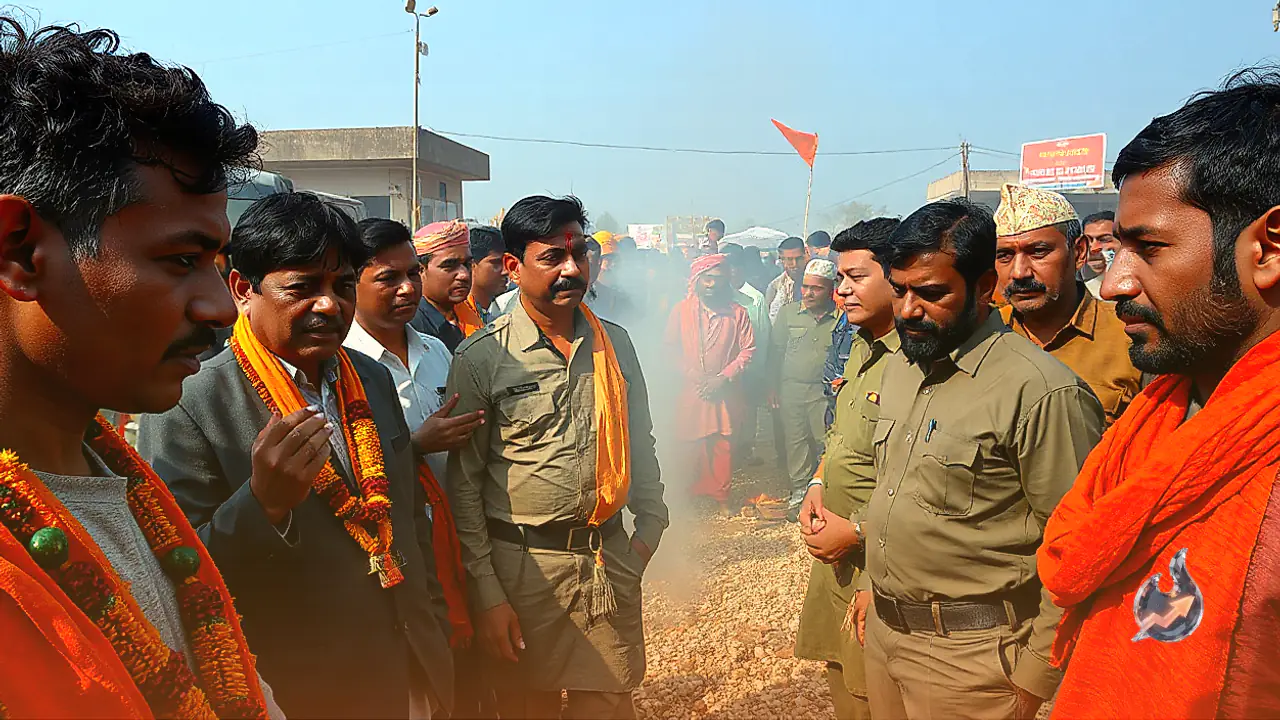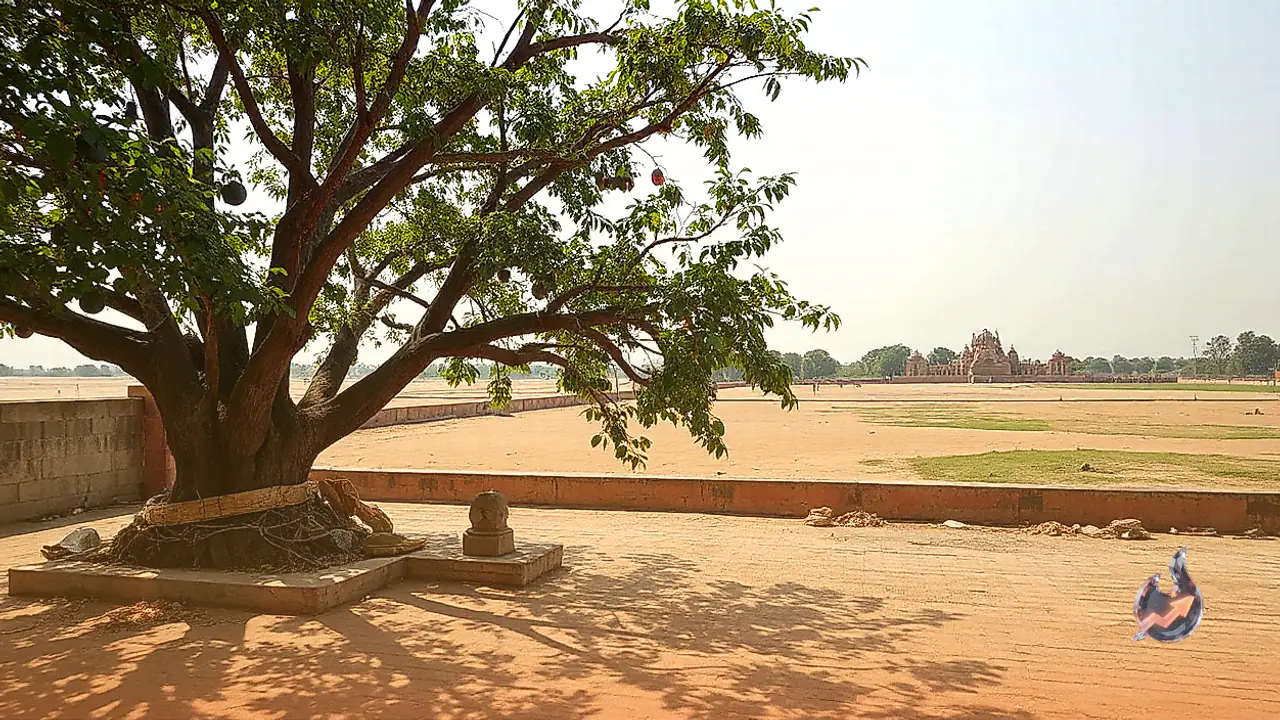

The observance of Amla Navami holds a prominent place in traditional calendars, also known by names such as Akshaya Navami and Kushmanda Navami. Devotees dedicate this day to performing sacred rituals around the Amla tree while praying for the well-being and prosperity of their households. According to traditional beliefs, cooking and consuming meals beneath the shade of this tree carries immense significance on this occasion. In many regions, families gather outdoors to share a meal near the sacred tree. Two distinct mythological narratives are traditionally associated with this festival, each emphasizing the importance of charity, devotion, and reverence.
Goddess Lakshmi and the Dual Worship of Deities
According to ancient accounts, Goddess Lakshmi once descended to the mortal realm and wished to worship both Lord Vishnu and Lord Shiva simultaneously. She pondered over how to offer united prayers to both divine entities at a single location. Soon, she recalled that Tulsi leaves are dear to Lord Vishnu while Bilva leaves please Lord Shiva, and the Amla tree encompasses the sacred qualities of both. Consequently, she decided to worship the Amla tree. Pleased by her devotion, both Lord Vishnu and Lord Shiva manifested before her. Following this divine appearance, the Goddess prepared a meal beneath the tree, offered it to the deities as bhog, and later partook of the blessed food herself.
Origins of the Tree Worship Tradition
Based on traditional scriptures, this significant event transpired on the Navami tithi of the Shukla Paksha in the month of Kartik. Ever since that occasion, the custom of worshipping the Amla tree on this specific date has continued across generations. It is believed that offering prayers to the tree and dining together as a family helps maintain enduring peace and abundance at home. The first narrative highlights how purity of intent and proper devotion can invoke divine grace.
The Merchant and His Sons in the Second Tale
Another popular narrative linked to Akshaya Navami features a wealthy merchant and his sons. The merchant made it a regular practice every year on Akshaya Navami to feed Brahmins under the Amla tree and distribute charity to those in need. However, his sons disapproved of this philanthropic routine, leading to frequent domestic disputes. Weary of the constant discord, the merchant eventually left his home and relocated to a different village. There, he established a shop for his livelihood and planted an Amla tree right outside his establishment. As time progressed, his business flourished remarkably, yet he maintained his age-old tradition. He continued to worship the Amla tree every year on Akshaya Navami, feed scholars, and assist the needy in his new surroundings.
Business Decline and Return of Prosperity
Meanwhile, back home, the merchant's sons experienced a continuous downturn in their enterprise and financial struggles. Eventually, they realized their folly in opposing their father and sought him out in the new village to ask for forgiveness. The father advised them to adopt the practice of worshipping the Amla tree and engaging in acts of charity. Following his guidance, the sons mended their ways, leading to the restoration of harmony and prosperity within their family.
Significance of Reading the Katha
Traditional practices attribute great importance to reciting and listening to the sacred narrative during the observance of Amla Navami. While the first story connects worshippers to the divine grace of Vishnu, Shiva, and Lakshmi, the second tale imparts essential lessons about charity, righteousness, and respect for elders. Engaging in these rituals alongside acts of kindness toward the less fortunate forms an integral part of the festival's observance.