
A simple meal of dal and rice often needs just a small kick of bold flavor to turn into a deeply satisfying feast. In traditional Bihari cuisine, side accompaniments like chokhas and coarse relishes play a vital role in elevating basic everyday dishes. Bihari Khatai Marchai Ka Chokha is one such classic preparation that packs intense heat, tartness, and aromatic rich notes into a tiny side serving. Made by lightly frying garlic cloves, fresh chillies, and coriander leaves in pure mustard oil, then coarsely mashing them with dry mango powder (amchur) and salt, this relish brings an unmistakable rustic charm to the dining table. It requires minimal active time, no complex whole spices, and no elaborate vegetable cutting, making it an ideal choice for quick home cooking.
Essential Ingredients and Proper Proportions
To prepare a standard small bowl of Khatai Marchai Ka Chokha, selecting fresh, high-quality ingredients in balanced proportions is essential. The core elements of this dish rely on garlic, chillies, raw mustard oil, tartness, and fresh herbs. Culinary guidelines shared by Rashmi Kumari highlight the following balanced measurements suitable for a home meal
- Garlic Cloves: Use approximately 12 to 15 garlic cloves. Ensure they are clean and firm. If the cloves are exceptionally large, slice them in half so they cook evenly alongside the chillies.
- Fresh Green Chillies: Select 4 to 5 medium green chillies. The heat level depends on the specific chilli variety; if using extremely spicy chillies like bird's eye or thin green chillies, reduce the quantity by half.
- Fresh Red Chillies: Take 1 to 2 fresh red chillies to add color variation, distinct fruity heat, and depth to the relish texture.
- Fresh Coriander Leaves: A small handful of fresh coriander leaves brings herbal freshness and vibrant color to contrast with the rich roasted garlic.
- Mustard Oil: Use about 1.5 tablespoons of authentic raw mustard oil. Pure mustard oil provides the signature pungent aroma characteristic of Bihari side dishes.
- Dry Mango Powder (Amchur): Keep 1 teaspoon of amchur ready for the necessary tart backdrop that cuts through the heat of the chillies.
- Salt: Measure salt according to personal taste preferences to bind the sour and spicy components together.
Washing, Cleaning, and Pre-Cooking Preparation
Proper prep work ensures that frying the ingredients in hot mustard oil remains safe and produces the best texture. Begin by peeling all 12 to 15 garlic cloves thoroughly. If any clove is oversized, cut it lengthwise into two equal halves. Next, rinse both the green and fresh red chillies under cool running water. Wipe each chilli completely dry using a clean kitchen towel. Make a small slit along the side of every chilli; this crucial step prevents trapped air and steam from causing the chillies to burst or splatter in hot oil.
Preparing the fresh coriander leaves requires equal attention. Discard any yellowed, wilted, or damaged leaves, as well as tough lower stems. Rinse the remaining leaves thoroughly in a bowl of water to remove any trace of dirt. Place the coriander in a colander to drain excess water, and then spread the leaves flat over a clean dry cloth. Allowing all ingredients to dry completely is vital because water droplets coming into contact with hot oil will cause violent oil splatters, creating safety hazards and altering the cooking temperature.
Step-by-Step Roasting Technique in Mustard Oil
Roasting the garlic and chillies correctly determines the final flavor profile of the chokha. Place a small wok or skillet (kadhai) on the stove and heat 1.5 tablespoons of mustard oil. Once the oil warms up and loses its raw sharpness, turn the heat down to a medium-low flame. Add the peeled garlic cloves to the warm oil. Stir them continuously with a spatula to ensure uniform cooking and prevent any single side from burning.
Watch the garlic closely as it transitions into a light golden shade and starts softening. At this stage, add the prepared green and fresh red chillies into the pan. Keep tossing and flipping the ingredients gently. Continue cooking until the outer skins of the chillies develop light blister marks and soften. Be extremely careful not to overcook or brown the garlic deeply; over-roasted or charred garlic imparts an unpleasant bitter taste that ruins the chokha.
Once the chillies and garlic are tender, toss in the dried coriander leaves. Stir the mix for just a few seconds until the leaves wilt slightly and release their fragrant aroma into the oil. Do not fry the mixture long after adding coriander, as prolonged heat will darken the herb and dull its fresh flavor. Turn off the gas stove immediately. Using a slotted spoon, lift the roasted garlic, chillies, and coriander out of the pan and transfer them into a wide bowl or plate to cool down. Keep the remaining oil in the kadhai carefully, as it now holds the deeply infused aromas of roasted garlic and chillies.
Coarsely Mashing the Ingredients for Ideal Texture
Allow the roasted ingredients to cool down until they reach a temperature that can be safely handled. Authentic Bihari chokha is defined by a rough, coarse texture rather than a smooth puree. Place the roasted mixture inside a traditional mortar and pestle (okhli) and crush it using light, controlled strokes. The garlic cloves should yield and flatten into soft chunks, while the chillies break down into small, recognizable pieces.
If a mortar and pestle is not available in your kitchen, you can transfer the cooled ingredients into a shallow bowl and mash them using the back of a fork or heavy spoon. The goal is to retain distinct bits of garlic and chilli in every bite so that the mouthfeel remains textured and interesting. Avoid using bare fingertips to mash the cooked chillies directly, as the capsaicin in the chillies can cause persistent burning sensations on your skin; using utensils or a mortar pestle is significantly safer and cleaner.
Incorporating Amchur, Salt, and Infused Oil
Once the mixture achieves the desired coarse mash, it is time to season and balance the flavors. Begin by adding half a teaspoon of dry mango powder (amchur) and a small pinch of salt to the mashed mixture. Pour in the reserved mustard oil from the kadhai, which carries all the rich, toasted flavors from the roasting stage. Mix everything thoroughly with a spoon to distribute the oil and spices evenly.
Take a small sample to taste the chokha before adding more seasonings. Because the sourness of dry mango powder can vary widely by brand and age, adding it incrementally prevents the dish from turning overly sour. If the chokha tastes too acidic or sharp, adjust by adding a bit more salt or extra roasted garlic. Conversely, if the mix feels excessively spicy due to potent chillies, adding additional crushed roasted garlic helps mellow out the heat. Perform a final salt check at the very end to ensure the balance between tartness, pungency, and spiciness is balanced.
Serving Suggestions and Storage Considerations
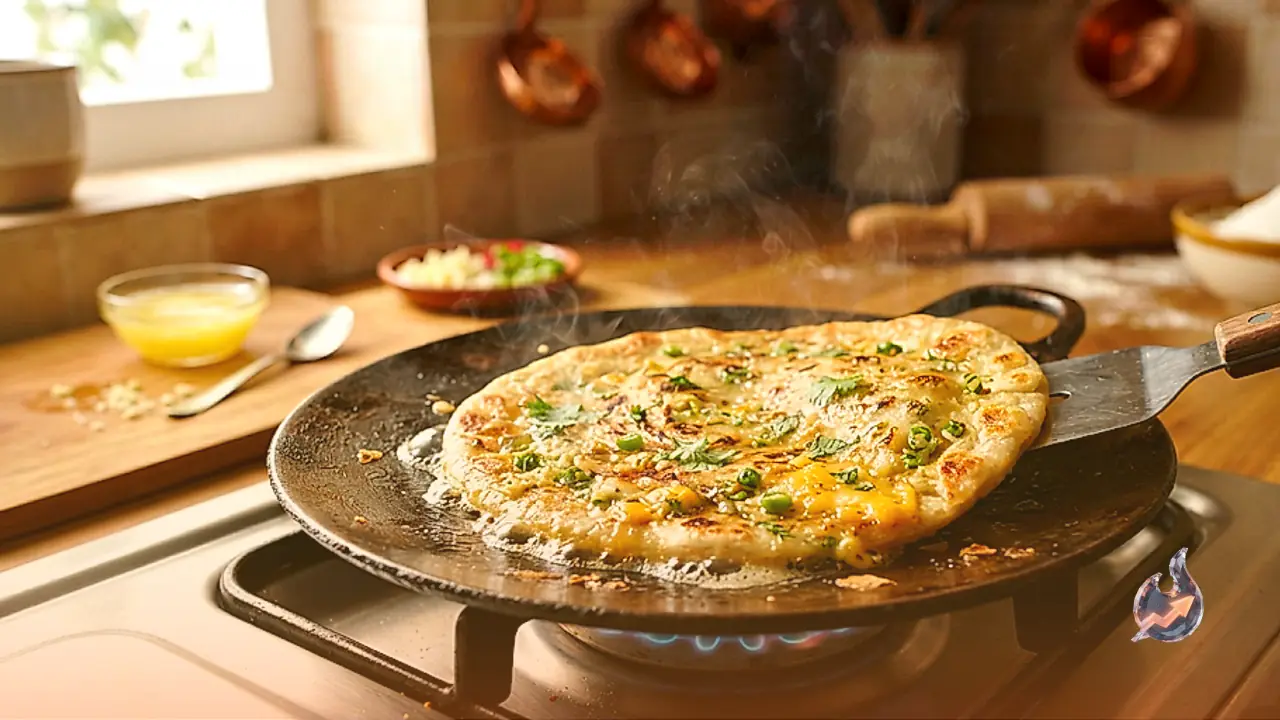
Transfer the finished Bihari Khatai Marchai Ka Chokha into a small serving bowl. Because of its concentrated heat and sharp garlic flavor, this side dish is meant to be enjoyed in small portions. Offer a small teaspoonful alongside a warm plate of dal and rice, plain chapatis, or stuffed sattu parathas. Before serving, give the chokha a quick stir with a spoon so that the infused mustard oil coats all ingredients uniformly.
While this recipe uses no added water during cooking, long-term storage of 7 to 8 days cannot be guaranteed. Garlic, fresh chillies, and coriander leaves naturally retain cellular moisture even after roasting, which can gradually lead to spoilage over time. For the best culinary experience and food safety, prepare this chokha in small batches meant for immediate consumption or short-term use within a few days.