
























Household washing machines handle daily laundry loads without pause, yet their own hygiene needs are frequently overlooked by homeowners. Many people only inspect the appliance once a mechanical glitch occurs or when freshly washed garments start emerging damp, stiff, and improperly cleaned. Over time, regular cycles leave behind soap scum, lint, and hard mineral deposits inside hidden compartments. Ignoring this residue slows down the appliance's overall efficiency and can leave clothes smelling musty even after a full wash.
Where Dirt and Moisture Accumulate Inside Machines
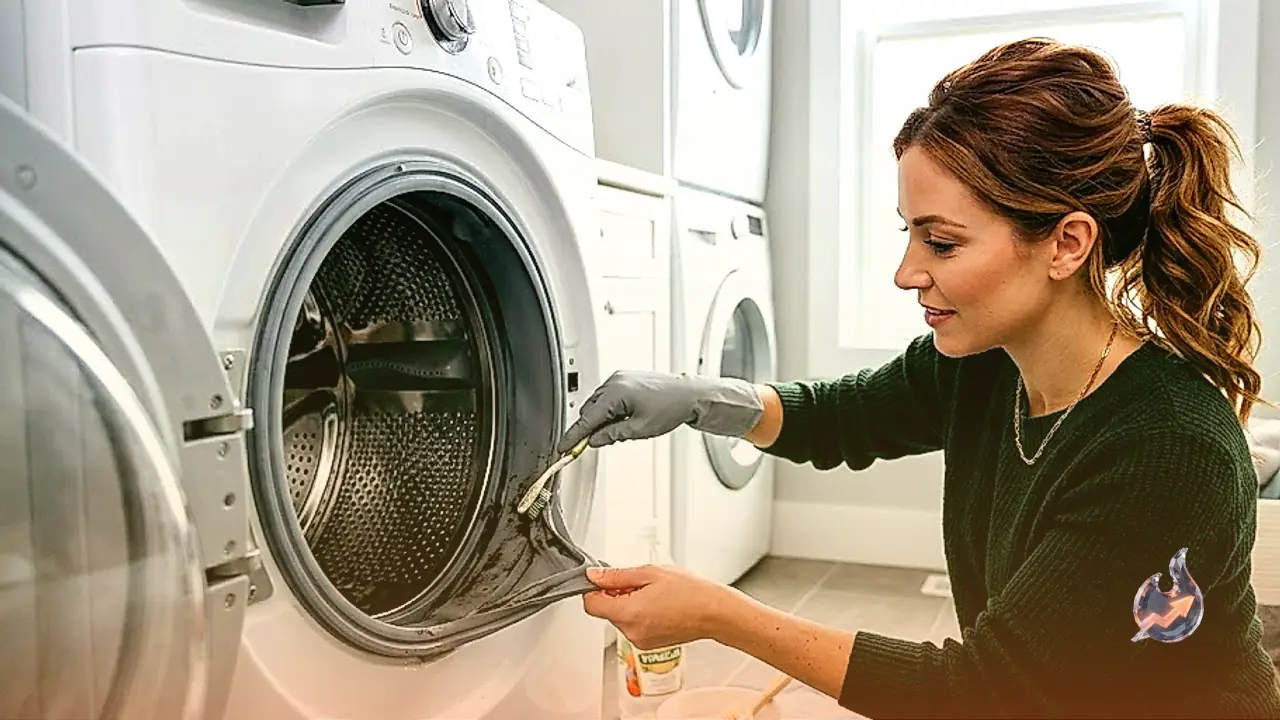
Different washing machine styles present distinct cleaning challenges depending on their build and water circulation. Front-load appliances are particularly vulnerable along the thick rubber door gasket, where trapped moisture creates a damp breeding ground for black mold and slimy residue. Top-load appliances, meanwhile, tend to collect detergent sludge and grime along the outer ridges of the drum and around the base agitator. Maintaining these surfaces does not require expensive commercial servicing, as basic household staples can restore the interior effectively.
Crucial Safety Steps and Cleaning Supplies
Before beginning any hands-on maintenance, basic electrical and plumbing precautions must be observed. Always unplug the power cable directly from the wall socket to prevent electrical hazards, and turn off the dedicated water supply valve feeding into the back of the machine. For the cleaning procedure, gather standard household items including plain white vinegar, baking soda, a gentle liquid detergent, and a clean microfiber cloth.
Purging Residue and Odors from the Wash Drum
To begin refreshing the interior, make sure the stainless steel drum is completely empty of clothing. Select a high-temperature wash cycle using hot water and add white vinegar directly into the drum compartment. The acidic nature of running vinegar through hot water breaks down greasy buildup, cuts through calcium deposits, and eliminates stale odor pockets. Once that initial cycle finishes, sprinkle a small measure of baking soda into the drum and run a second wash cycle to scrub away the remaining stubborn grime.
Scrubbing the Dispenser Drawer and Door Seal
The dispenser compartments that hold powdered detergent and liquid fabric softeners routinely accumulate sticky, gelatinous sludge. Slide this drawer completely out of its housing and soak it in warm water for several minutes to loosen the congealed soap. Once softened, use a gentle brush to clear out the corners and rinse it thoroughly under running water. For front-load units, wipe down every fold of the rubber gasket using a vinegar solution, and make it a habit to dry the rim with a towel after every laundry load.
Clearing Blockages from the Drain Filter
The drain filter located near the base of the washing machine captures loose threads, pet hair, coins, and small debris before wastewater exits through the pump. When neglected for months, this catch basin clogs entirely, preventing the machine from draining properly and causing standing water to rot inside. Unscrewing and cleaning this filter every few months ensures unobstructed water drainage and protects the drain pump from permanent damage.