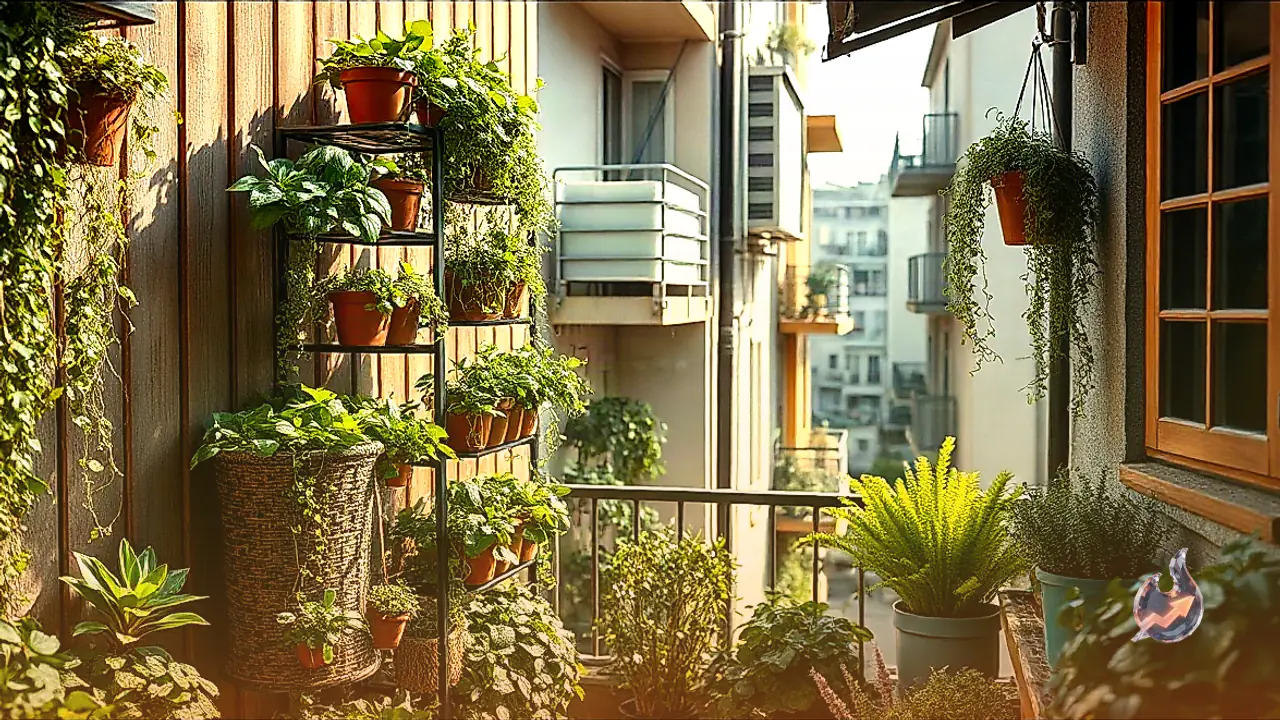






















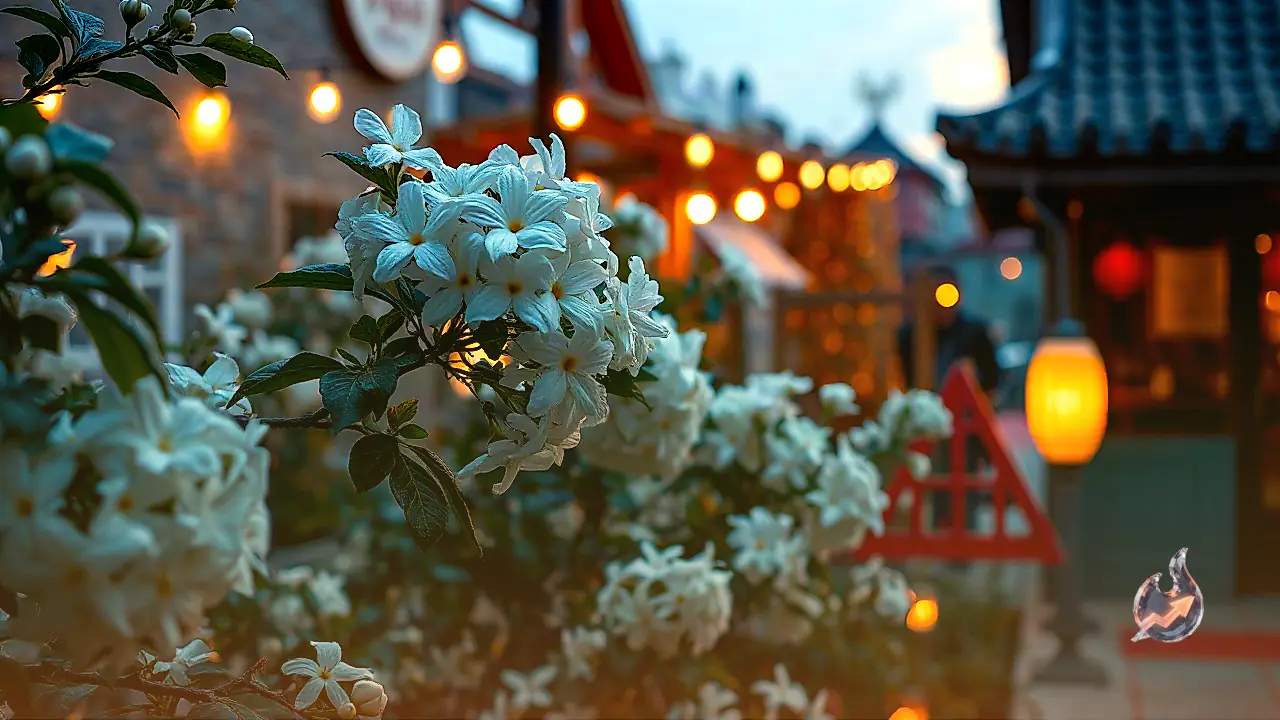

Harsingar, known widely across India as Parijat, Shioli, or night-flowering jasmine, holds an exalted place in cultural lore, traditional celebrations, and spiritual rituals. The plant bears delicate blossoms featuring pristine white petals paired with striking orange stems, releasing a sweet and pervasive fragrance that transforms any open space. As the crisp atmosphere of autumn sets in and Durga Puja approaches, these bushes burst into intense blooming cycles. The flowers open under the cover of night and carpet the earth by daybreak, laying down a vivid orange and white spread across yards and terraces. For gardening enthusiasts hoping to cultivate this auspicious flora in limited spaces, potting containers offer a practical and rewarding way to bring this botanical treasure home.
Choosing the Right Container Size and Material
Every woody perennial requires sufficient underground space to build a sturdy root network, and Parijat is no exception. Because this plant eventually develops the stature of a small tree or dense shrub, planting it in an undersized vessel will inevitably stunt its growth and delay budding. Selecting a container that measures at least 12 to 15 inches in both width and depth gives the roots adequate room to spread through their developmental stages. While modern planters are manufactured from plastic, resin, or concrete, traditional unglazed clay pots remain the finest choice for container gardening. Terracotta breathes naturally, allowing air exchange through its porous walls while moderating root temperature. Above all, verify that the base contains a functional drainage hole so surplus irrigation water escapes freely before it damages delicate feeder roots.
Formulating an Ideal Soil Mixture for Potted Jasmine
In container culture, the potting medium directly dictates nutrient availability, moisture retention, and overall plant vigor. Night-flowering jasmine thrives best in fertile soil blends that drain briskly without holding soggy puddles. An effective custom potting mix combines 50% regular garden soil to provide structure and mineral density with 30% well-rotted vermicompost or aged cow manure to supply foundational organic matter. To ensure the blend remains loose, aerated, and porous, mix in 20% coarse sand or coco peat. Before packing this medium around the plant, incorporate a small pinch of neem cake powder. Neem cake acts as a natural soil conditioner and deterrent, guarding root systems against subterranean fungal infestations and destructive pest larvae.
Step-by-Step Planting and Sapling Transplantation
Gardeners can initiate this project either by purchasing a vigorous juvenile sapling from a trusted nursery or by rooting a stem cutting taken from an established shrub. The planting sequence requires minimal effort when handled methodically. Place a small stone fragment or an inverted piece of a broken earthen lamp over the base drainage hole to ensure loose dirt does not block water movement. Fill the planter halfway with the prepared soil mixture. Gently ease the nursery sapling out of its polythene sleeve, taking care not to disturb the central soil ball or tear tender taproots. Position the stem directly in the center of the pot, pack the surrounding perimeter with the remaining soil blend, and firm it down lightly using fingers to eliminate subterranean air pockets. Saturate the soil with a generous watering immediately following placement so the growing medium settles evenly around the root mass.
Sunlight Demands and Seasonal Watering Practices
Adequate solar exposure and disciplined moisture management represent the two most decisive elements for consistent foliage development and heavy bud formation. Night-flowering jasmine depends upon generous direct sun to fuel its energy reserves. Situate the planter in a courtyard, open patio, or south-facing balcony that receives between 5 and 6 hours of unshaded sunlight on a daily basis. Without this essential daylight, branches grow leggy, pale, and produce very few flowering clusters. Hydration must adjust to seasonal cycles. During warm spring afternoons and summer heat, soil requires frequent, regular hydration to stay moist. Conversely, throughout winter months and rainy spells, inspect topsoil dryness manually before offering water. Stagnant moisture resting in the root zone must be avoided at all costs, as waterlogged conditions rapidly induce root rot.
Fertilizer Routines for Maximum Autumn Blooms
The arrival of autumn brings Durga Puja festivities alongside peak blooming potential for mature Parijat branches. Sustaining that dramatic floral output demands an ongoing nutritional regimen. Every 15 to 20 days, gently loosen the upper two inches of soil with a small trowel to promote root aeration, then work in a handful of rich vermicompost or aged cattle manure. To boost stamina and trace mineral intake, administer liquid seaweed concentrate or bone meal once per month. As autumn draws near and tender flower buds start emerging, taper down nitrogen-heavy amendments and introduce phosphorus and potassium-rich natural fertilizers. Potassium supports sturdy stem joints, intensifies petal pigmentation, and encourages larger, longer-lasting floral clusters.
Pruning Schedules and Organic Pest Management
Routine pruning plays an indispensable role in maintaining compact form and maximizing future flower sites. During February and March, as cold-season dormancy lifts, trim back overgrown or leggy stems with clean shears. This seasonal trim prompts latent nodes to produce multiple lateral branches, resulting in a bushy profile capable of bearing far more blossoms by late summer. Night-flowering jasmine is relatively hardy, but occasional infestations of mealybugs or leaf-chewing caterpillars can arise during periods of humid weather. Rather than resorting to synthetic pesticides, prepare an organic spray using neem oil diluted in water and mist all stems and foliage every 15 days. Regular neem treatments deter insect incursions while maintaining clean, lustrous greenery throughout the growing year.
By establishing your Parijat plant using these practical container techniques, you can enjoy vigorous green growth that culminates in sweet-smelling white and orange blossoms within just a few months. As sacred autumn festivals draw near, the rewarding sight of fresh Shioli blossoms greeting the morning breeze will turn your home terrace into a calm personal sanctuary. Preparing a pot today guarantees that your residence partakes fully in the traditional fragrances of the festive season.