



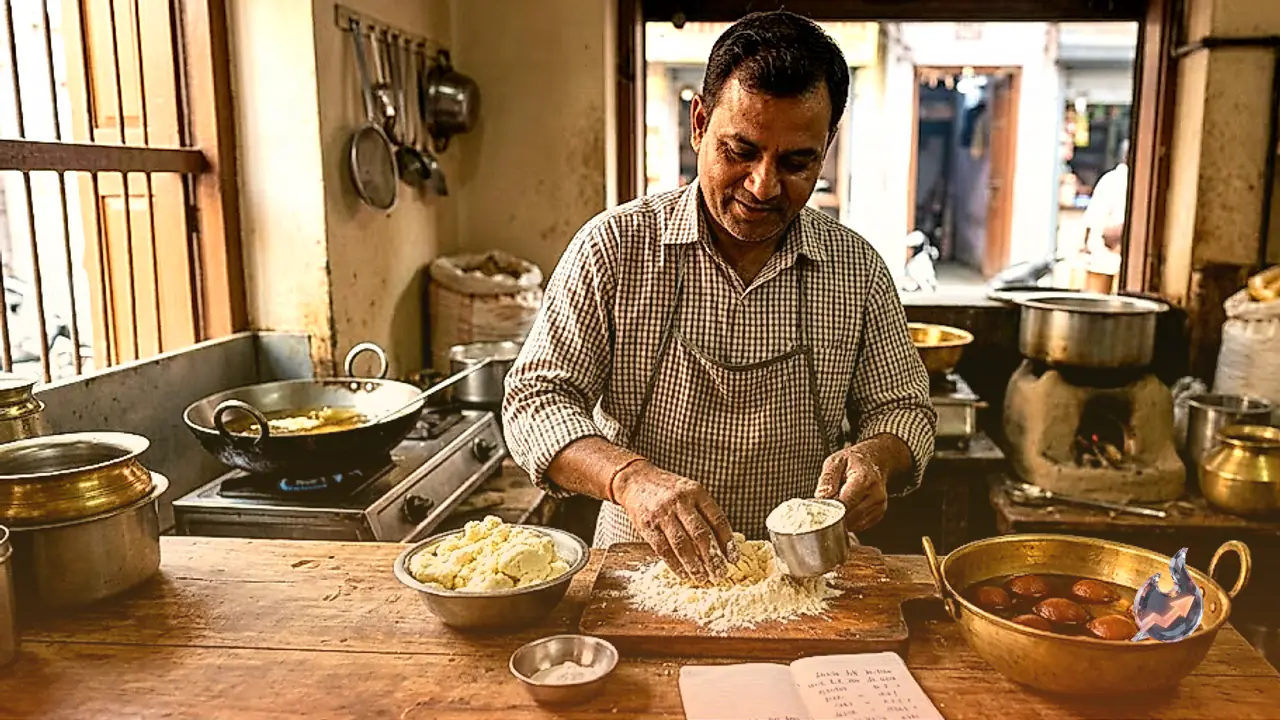



















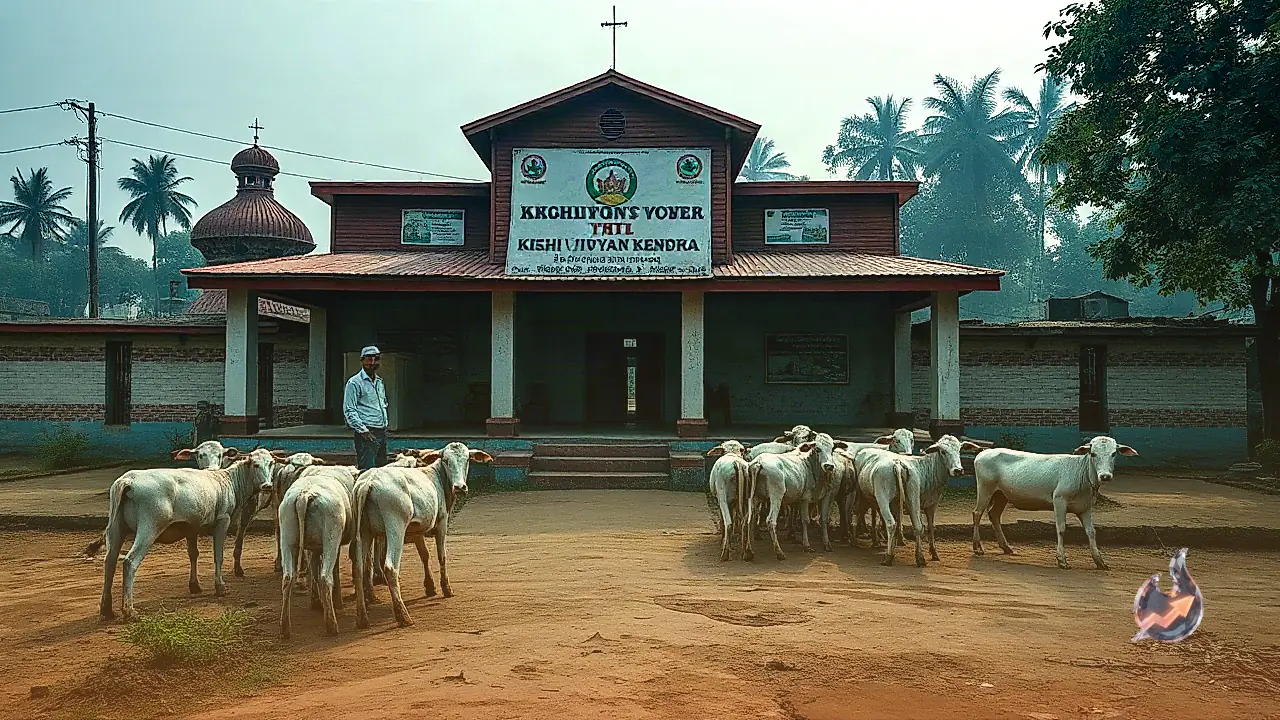

In the Lakhimpur Kheri district of Uttar Pradesh, smallholder farmers and young entrepreneurs are increasingly turning to goat rearing alongside traditional crop cultivation to generate supplementary household revenue. Requiring minimal starting capital, livestock farming has emerged as a practical self-employment pathway in rural areas. Many producers initiate their operations with a small herd and gradually expand herd size over time. However, undertaking livestock management without a solid technical foundation can result in severe financial setbacks.
The Critical Need for Technical Knowledge and Farm Preparedness
Before launching a goat husbandry enterprise, livestock keepers need an in-depth understanding of breed suitability, feed formulations, housing architecture, vaccination schedules, farm hygiene, and early symptom identification. Without proper training, producers often purchase unsuited breeds or neglect day-to-day husbandry requirements. Such shortcomings impair normal weight gain and significantly elevate the herd's vulnerability to infectious pathogens.
Free Vocational Instruction at Krishi Vigyan Kendra Jamunabad
Veterinary expert Dr. NK Tripathi explained that free vocational training is being delivered to local farmers and rural youth at the Krishi Vigyan Kendra in Jamunabad under a targeted employment development program. The comprehensive curriculum spans the entire operational cycle, from herd establishment to livestock marketing. Participants study best practices for selecting superior bloodlines, designing stress-reducing shelters, mixing balanced nutritional rations, adhering to prophylactic immunization timetables, and shielding animals from temperature extremes in summer and winter.
Managing Environmental Dampness and Monsoon Disease Threats
The monsoon season presents heightened health risks because damp flooring, excess humidity, and accumulated filth accelerate bacterial proliferation and parasitic infestations. During these high-risk periods, producers must maintain elevated, dry, well-ventilated, and clean animal pens. Consistent sanitation paired with vigilant daily monitoring of feeding behavior, physical alertness, and stool consistency ensures that emerging infections are intercepted before they compromise animal welfare.
Selecting Breeds Suited to Local Climatic Realities
A resilient goat enterprise depends heavily on choosing breeds matched to regional agro-climatic conditions and locally available forage. When farmers align animal genetics with regional environmental factors, the herd demonstrates higher reproductive efficiency, superior mothering ability, and faster growth rates among kids. Selecting adaptable breeds lowers mortality risks and enhances market valuation at maturity.
Disease Surveillance, Timely Immunizations, and Quarantine
The Jamunabad training program equips livestock owners to recognize standard symptoms of endemic animal diseases and execute preventive countermeasures. Adhering strictly to preventative vaccination protocols and consulting qualified veterinary doctors helps avert devastating contagion outbreaks. When an individual animal exhibits signs of dullness or infection, it should immediately be isolated from the general pen to stop pathogen spread. Combining appropriate genetics, consistent sanitation, balanced rations, and structured healthcare transforms goat rearing into a dependable enterprise.