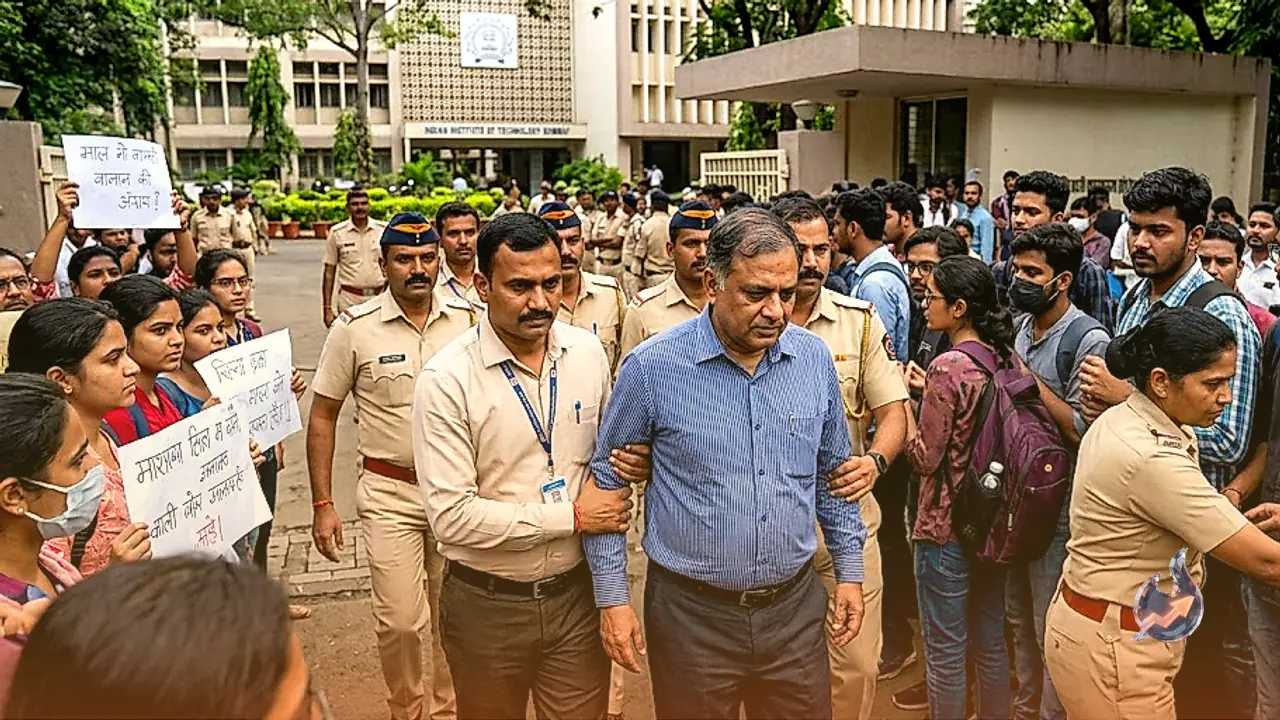



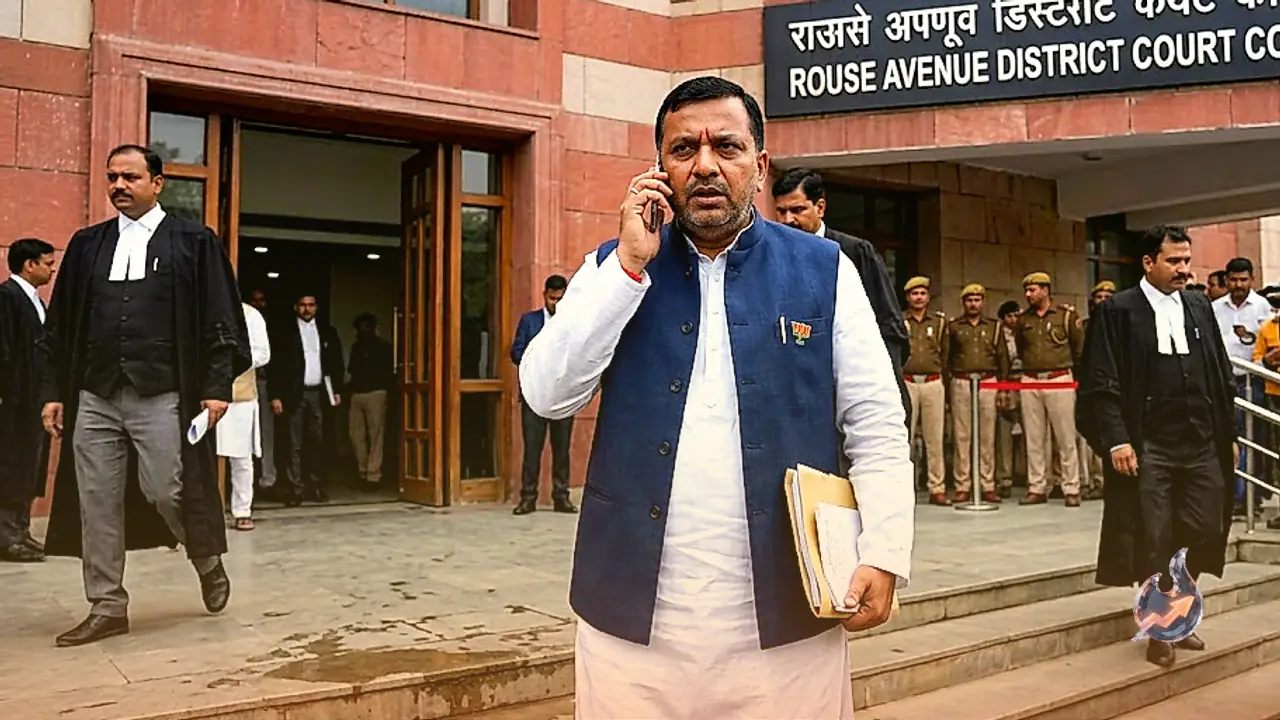















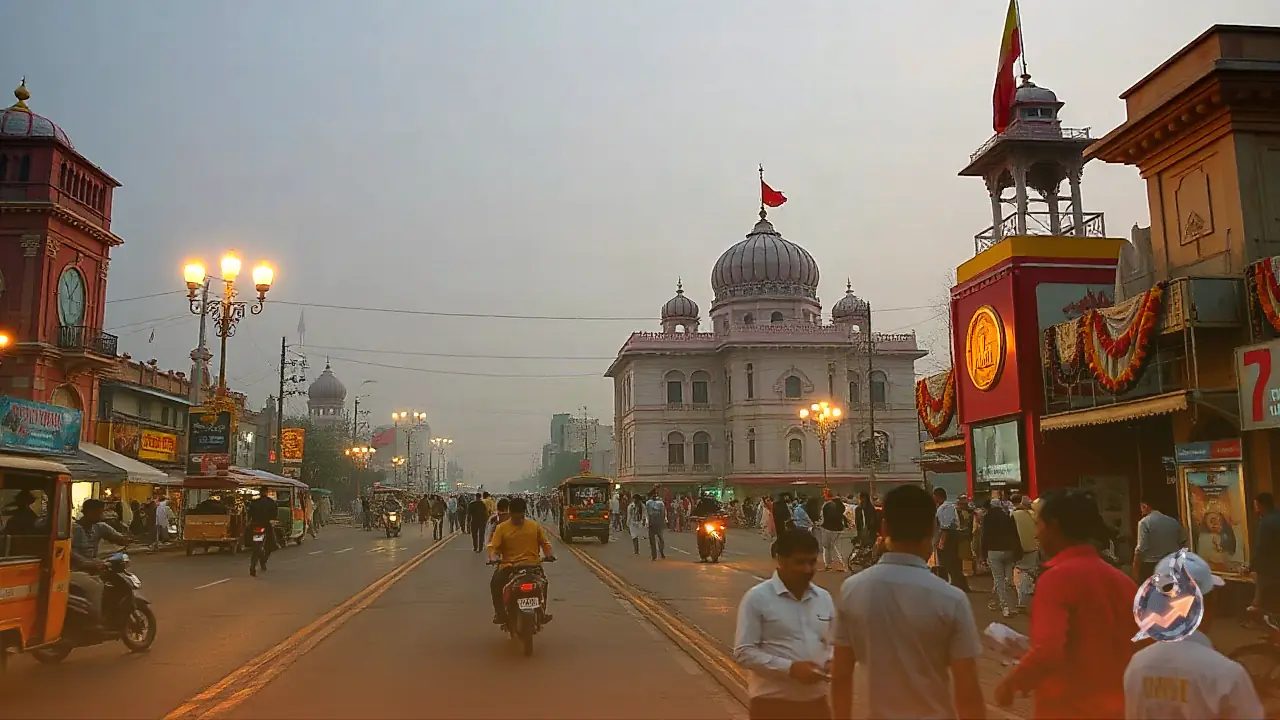

District authorities in Chandigarh and Mohali have stepped in to halt an unapproved promotional spectacle citing severe public safety concerns. Rakesh Trehan, a businessman based in Amritsar who operates under the moniker Raja D King on social media platforms, had announced plans to distribute smartphones across the two cities on September 22. In his online announcements, he claimed he would hand out iPhone 17 handsets and higher tier variants as offerings to the public. He frequently presents himself as a cryptocurrency trader using inherited wealth to fund such events, though no official permits were sought for the massive public gathering.
Administrative Action and Crowd Hazard Warnings
Chandigarh Deputy Commissioner Nishant Yadav directed law enforcement agencies on Saturday to deny all permissions for the proposed event. Administrative assessments determined that dangling high value gadgets before the public could trigger uncontrollable crowds, posing a critical risk of stampedes and physical harm. Yadav highlighted previous promotional stunts staged by Trehan, including an announcement to distribute complimentary petrol that had similarly threatened to draw thousands into hazardous conditions. Consequently, a comprehensive ban has been imposed on any such device distribution drives within city limits.
Lack of Clearance and Police Directives
Chandigarh SSP Kanwardeep Kaur confirmed that the organizer had submitted no application whatsoever to obtain formal regulatory approval. Conducting an unapproved assembly of this scale directly violates administrative orders issued under Section 163 of the Bharatiya Nagarik Suraksha Sanhita (BNSS).
Echoing these measures across the state boundary, Mohali SSP Varun Sharma clarified that local police have zero records of any authorized phone distribution gathering. Sharma stated unequivocally that no individual will be permitted to stage such events inside the district without explicit sanction from the Deputy Commissioner office. Any attempt to proceed without formal clearance will trigger swift police intervention and legal action.
Penal Sanctions Under the Legal Framework
Defying restrictive orders promulgated under BNSS Section 163 constitutes a punishable offense under Section 223 of the Bharatiya Nyaya Sanhita (BNS). Under ordinary circumstances, individuals found guilty of violating these directives face simple imprisonment for up to six months, monetary fines reaching 2500 rupees, or both penalties combined. Furthermore, if a non-compliant gathering jeopardizes human life, endangers public safety, or incites a riot, the statutory penalty escalates to imprisonment of up to one year along with a fine of up to 5000 rupees. Administrative officers reiterated that safeguarding order remains their primary duty against unauthorized mass gatherings.