







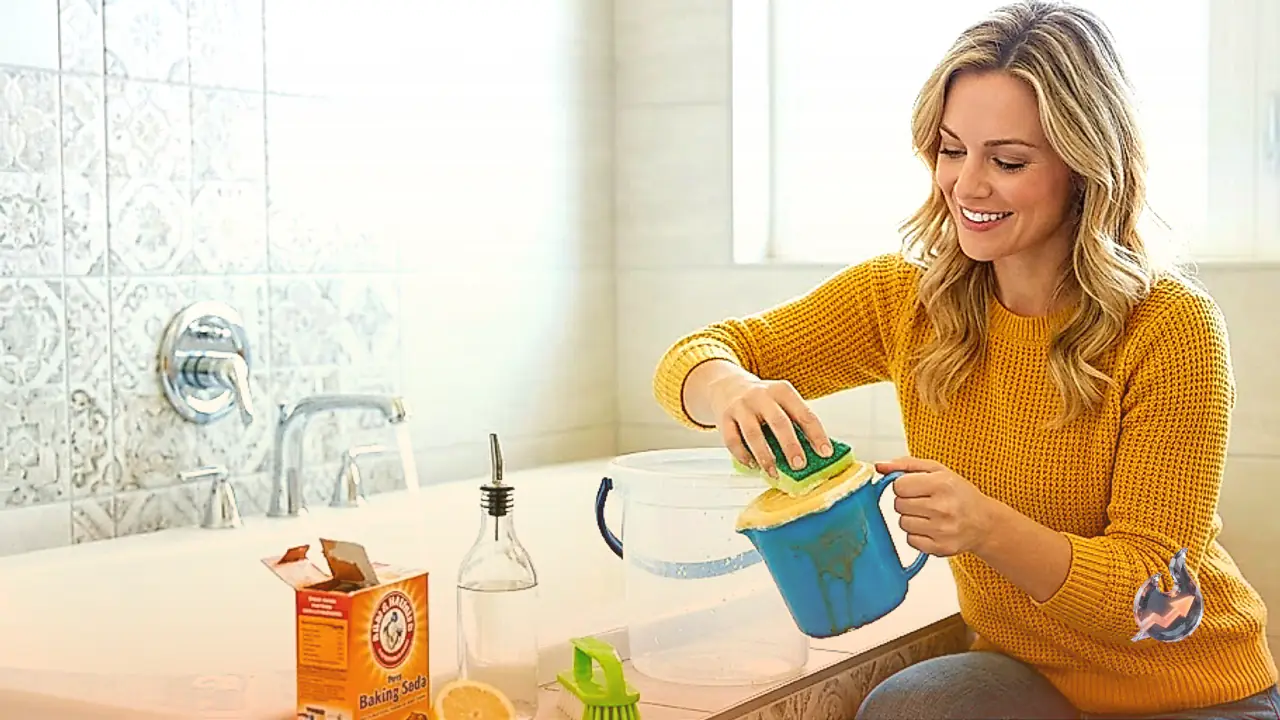















Plastic buckets and mugs used in bathrooms often accumulate stubborn stains of hard water, grime, and soap over time, but expensive commercial cleaners are not the only solution to fix this. Common kitchen ingredients like baking soda and white vinegar can be utilized properly to restore the shine of these bathroom items. To begin this cleaning process, take a bucket filled with slightly lukewarm water and thoroughly mix two to three tablespoons of baking soda into it. Following that, pour roughly half a cup of white vinegar into the solution and leave it undisturbed for a brief period. Once you notice fizzing or bubbling action starting up, wait for about fifteen to twenty minutes so that the chemical reaction can weaken the clinging stains. After the designated time passes, gently scrub the surface using a scrubber and rinse thoroughly with clean water, which allows the loosened grime to wash away effortlessly.
The Effective Combination of Lemon and Salt
If stubborn yellowish stains or older marks are visible on the bucket surface, adopting a lemon and salt method proves to be quite effective. Sprinkle a little salt onto a halved lemon and gently rub it directly across the stained areas. Leave the mixture on the surface for approximately ten minutes before washing it off with water, as the acidic nature of lemon combined with the mild abrasive quality of salt works wonders in lifting surface dirt. Although this technique works well, it is always wise to test it on a small, hidden patch first if you are dealing with a particularly delicate or easily scratchable surface.
Using Detergent to Remove Soap Scum
In cases where buckets or mugs are covered with a thick layer of accumulated soap scum, a detergent-based approach can prove highly useful. Fill the bucket with lukewarm water and add roughly one tablespoon of ordinary laundry detergent to it. Let this mixture sit undisturbed inside for about thirty minutes to help soften the built-up soap and grime. Now, take a soft brush or scrubber to gently scrub the container, rinse thoroughly with clean water, and observe how this simple method helps soften and clear away heavy soap deposits on standard plastic buckets.
Toothpaste and Bleach Precautions
According to Mantu Kumar Bharadwaj, plain white toothpaste also serves as a great tool when dealing with small stains and light dingy layers on mugs or buckets. Apply a small amount of toothpaste onto the affected spots and gently rub them using an old, soft toothbrush. Make sure to rinse the area with water and wipe it down with a cloth after five to ten minutes, as this easily clears away minor surface dirt. Scrubbing too aggressively can cause scratches on plastic surfaces, so always clean with gentle hands. On the other hand, bleach can prove extremely powerful when dealing with tough fungus or stubborn stains, but it demands extreme caution during use. Pay close attention to every single instruction and the correct dosage listed on the product label, wear protective gloves, and maintain adequate ventilation in the bathroom. Crucially, never mix bleach with vinegar, ammonia, or any other cleaning agents, as doing so can create dangerous toxic gases, and rinsing the surface thoroughly with clean water after the job is done remains mandatory.
Daily Care for Tiles and Faucets
Simply cleaning the bucket does not make the entire bathroom look pristine, which is why daily attention must also be given to the soap scum gathering around tiles, mugs, and water taps. Before applying any cleaning mixture, always test it out on a small patch of the surface first. An old, soft brush can prove immensely helpful for reaching tile grout lines and tight corners. Avoid letting water stagnate after cleaning sessions, as continuous moisture accelerates the buildup of dirt and mold.
Preventing Future Stains
Making a bucket shine is only half the battle, as preventing stains from returning quickly is equally important. Do not leave water sitting stagnant inside the bucket after bathing or household chores, and whenever possible, flip it upside down to let it dry completely. Avoid leaving soap, shampoo, or oily products inside the containers for extended periods. Performing a light cleaning routine once a week ensures that thick layers of grime never get the chance to form, making maintenance effortless.