























Stepping into a bustling vegetable market, rows of glistening, uniform produce immediately grab the attention of shoppers. Most buyers casually assume that flawless, shiny vegetables represent the peak of quality, while oddly shaped ones must be inferior. However, appealing aesthetics do not automatically mean an item is of an authentic local variety, just as an uneven shape does not inherently make a vegetable hybrid. True quality and character are revealed through colour depth, skin texture, seed structure, natural scent, flavour, and core freshness. By observing subtle indicators right at the vendor's stall, consumers can make far better choices, particularly with staples like carrots, tomatoes, radishes, cucumbers, and capsicums.
Evaluating Carrots by Firmness and Natural Sweetness
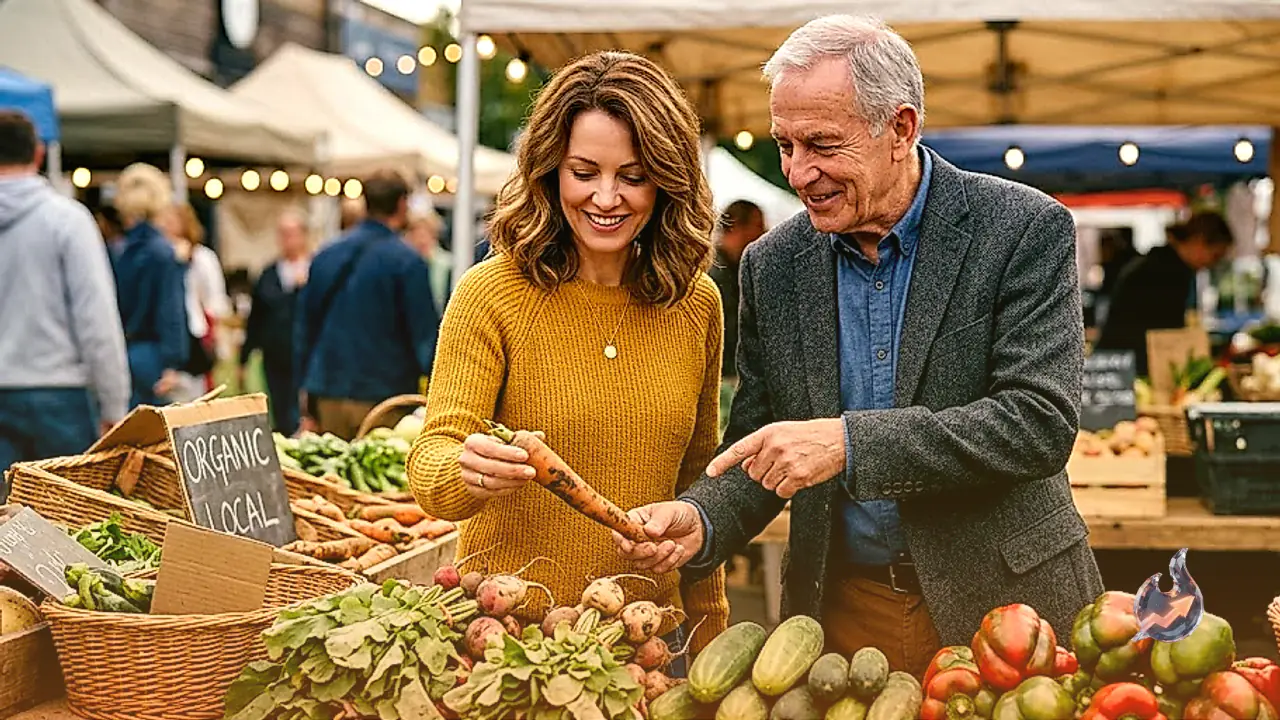
When selecting carrots, many shoppers gravitate towards perfectly smooth and bright orange specimens. Prof. Ashok Kumar Singh, a veteran agricultural specialist with 19 years of experience from Shri Murli Manohar Town Post Graduate College Ballia, points out that local varieties typically look thin and elongated, displaying light red or deep red tones. When bitten into, these traditional carrots release an earthy aroma accompanied by a gentle, natural sweetness. In contrast, modern or hybrid varieties are frequently thick, strictly straight, and vividly orange. Agricultural advice suggests that skin tone alone should never guide the final purchase; buyers should always feel for firmness, overall freshness, and an absolute absence of rotting spots or decay.
Looking for Pulp and Flavor in Tomatoes
The distinction between traditional and hybrid tomatoes is particularly stark. Local tomato varieties are often smaller, slightly asymmetrical, and lack an intense artificial shine. Despite their humble appearance, slicing them reveals a dense pulp, ample juice, and a robust sweet-tangy taste. Conversely, hybrid tomatoes tend to be neatly spherical, uniformly bright red, and identical in size across the crate. Their outer skin is thick and tough, a characteristic cultivated primarily to help commercial consignments survive long-distance transit without bruising. However, behind that flawless crimson facade lies a taste that is largely bland or mildly sugary, and they are not considered ideal for personal health.
Assessing the Pungency of Radishes
Radishes bring a distinctive zest to salads and meals, but their culinary qualities vary widely across cultivation styles. A genuine local radish is usually slender, elongated, occasionally curved, and delivers a potent bite that produces a sharp tingling sensation on the palate. On the other hand, hybrid radishes present a spotless white exterior, a thick and straight silhouette, and a noticeably watery texture. Despite their plump and appealing look, they carry minimal pungency and a watered-down taste. To avoid disappointment, sampling a tiny piece at the vendor's stall provides an immediate way to confirm authentic pungency before paying.
Checking Cucumber Texture and Seed Density
Cucumbers provide essential hydration, yet their varieties show clear differences on the vendor's shelf. Local cucumbers tend to be smaller in stature, with green skin displaying hints of yellow and a distinctly bumpy or granular surface. They generally house more seeds, but they reward consumers with an intensely crisp, cooling, and authentic refreshing taste. In contrast, hybrid cucumbers appear elongated, dark green, smoothly polished, and contain far fewer seeds. Their profile can lean lightly sweet, yet they often taste watery and flat. Spotting the textured skin and balanced hue is the easiest method to secure an authentic, flavour-rich cucumber.
Looking Past the Gloss on Bell Peppers
Bell peppers or capsicums are another vegetable where visual appearance can mislead the consumer. Traditional local varieties are generally smaller, less glossy, and often have slight folds or wrinkles across their skin. Handling them reveals a slightly yielding exterior, and cooking them unlocks a deep, robust aroma. In sharp contrast, hybrid bell peppers are bulky, highly polished, and show an immaculate uniform shape. While they look striking in presentation, their inner flavour is noticeably muted and can often turn out entirely tasteless.
Golden Rules for Smarter Vegetable Shopping
Relying purely on superficial gleam when shopping for everyday produce frequently leads to poor kitchen results. Vegetables naturally exhibit substantial variation in form, colour, internal seed counts, and taste profiles depending on specific cultivar strains. The eventual eating quality is heavily shaped by regional soil conditions, cultivation techniques, local weather patterns, and the post-harvest timeline before the produce reaches retail shelves. Shoppers should prioritize clean, robust, fresh vegetables free from mould or softness. Focusing on the crispness of cucumbers, the solid flesh of carrots, the pulp of tomatoes, and the genuine snap of radishes will always yield far better nutrition and flavour than chasing surface shine.