

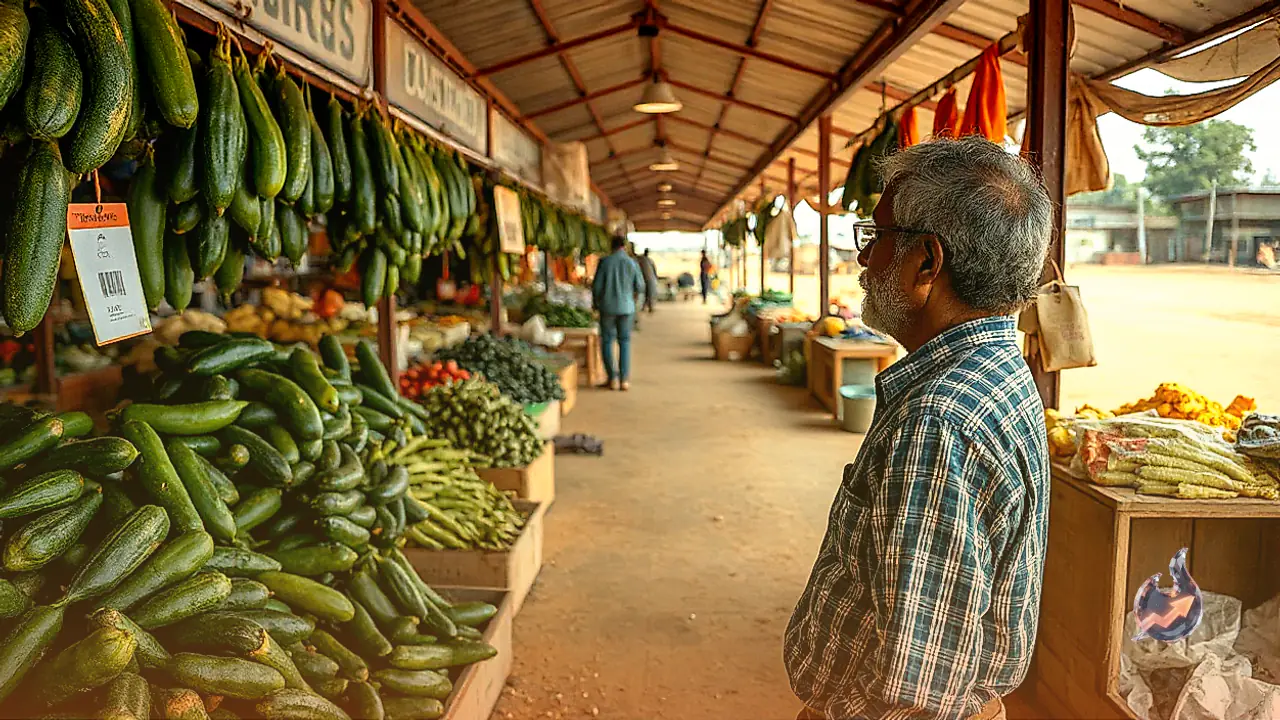




















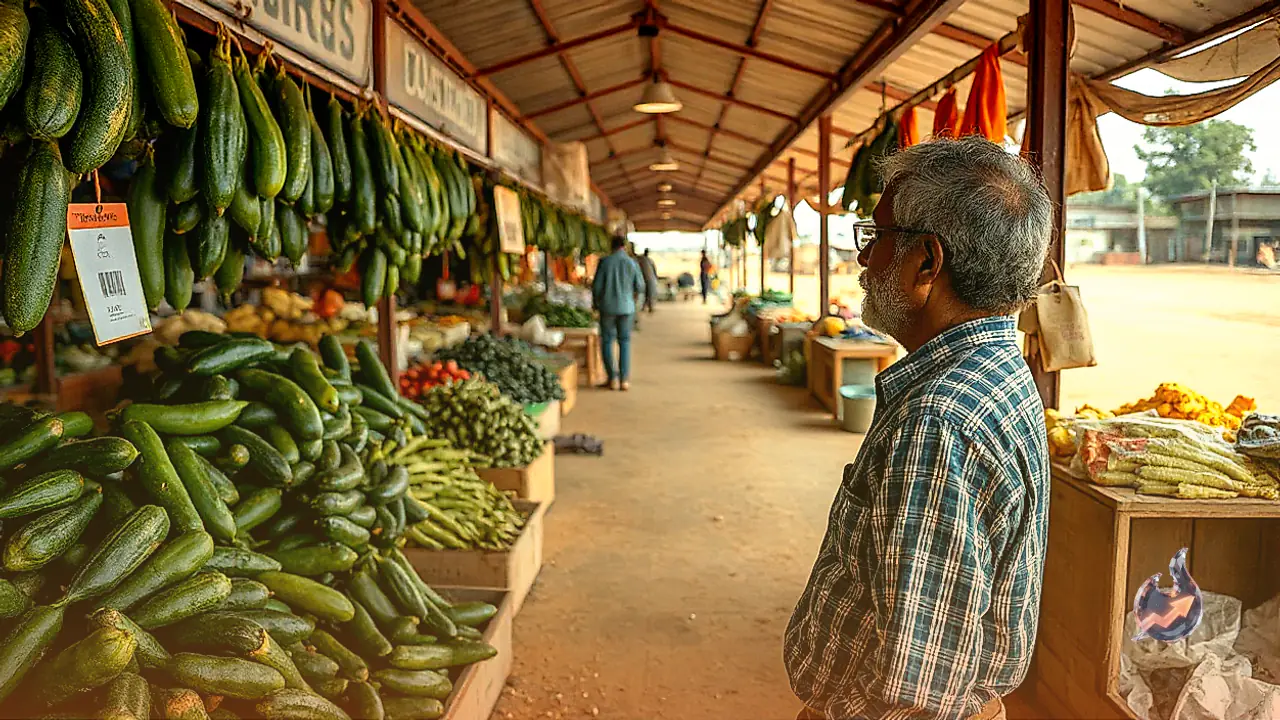

Brinjal remains a staple ingredient used across numerous culinary preparations in households everywhere. When visiting local vegetable markets, buyers frequently gravitate toward shiny and polished produce, assuming it represents superior quality. However, agriculture experts caution that judging a vegetable purely by its outer gloss can be misleading, as plain-looking options often turn out to be fresher. Consumers must evaluate multiple physical characteristics beyond simple visual appeal during their grocery trips.
Key Indicators Of A Fresh Brinjal
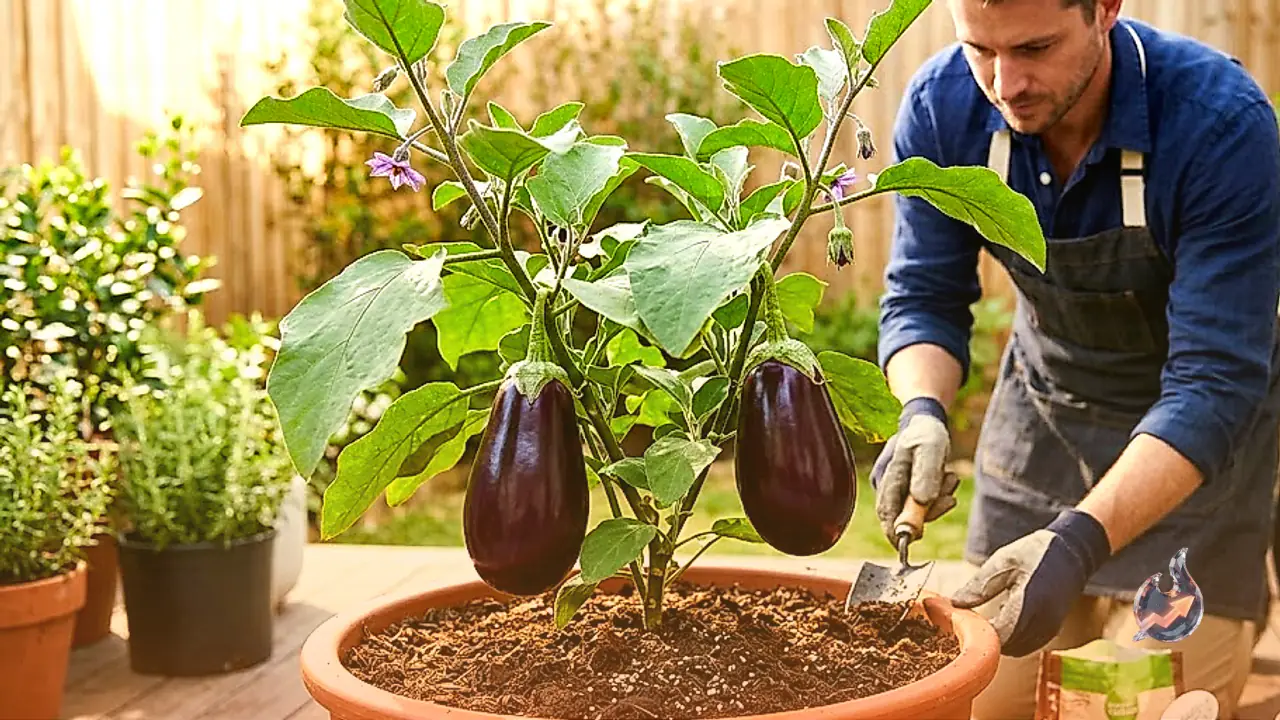
Prof. Ashok Kumar Singh, head of the soil science and agricultural chemistry department at Sri Murli Manohar Town Post Graduate College in Ballia, explained that selecting a quality produce requires examining specific physical traits. A fresh specimen should feature a smooth outer skin accompanied by a healthy green stem at the top. Furthermore, the weight of the vegetable should feel appropriate relative to its overall size.
Texture Checks And Surface Examination
According to the expert, pressing the vegetable gently should cause it to spring back to its original form immediately, indicating freshness. When lifted, the produce should feel appropriately heavy for its physical dimensions. Buyers should carefully inspect the surface for any unusual stickiness or strange residue before completing a purchase.
Identifying Pests And Damage
Tiny holes and blemishes often serve as visible warning signs of insect infestation. Shoppers should thoroughly examine such items before making a decision. While a damaged vegetable is not automatically toxic in every scenario, verifying the overall condition remains vital to avoid culinary mistakes.
Unraveling The Myth Behind Glossy Surfaces
Extra shine does not automatically guarantee safety, nor does it definitively prove that harmful chemicals were applied during growth. In certain cases, vendors might apply wax or oil coatings to enhance visual appeal, while artificial color sprays are sometimes suspected of deepening the purple hue. Since not every shiny item contains adulterants, buyers should rely on comprehensive checks involving the skin, stem, and weight rather than superficial brightness alone.
When To Discard Spoiled Produce
Any signs of rotting, fungal growth, or unusual odors mean the item should be discarded immediately. Trimming away only the spoiled portion of a heavily decayed vegetable for cooking purposes is strongly discouraged. Careful inspection ensures that only safe and wholesome ingredients reach the dining table.