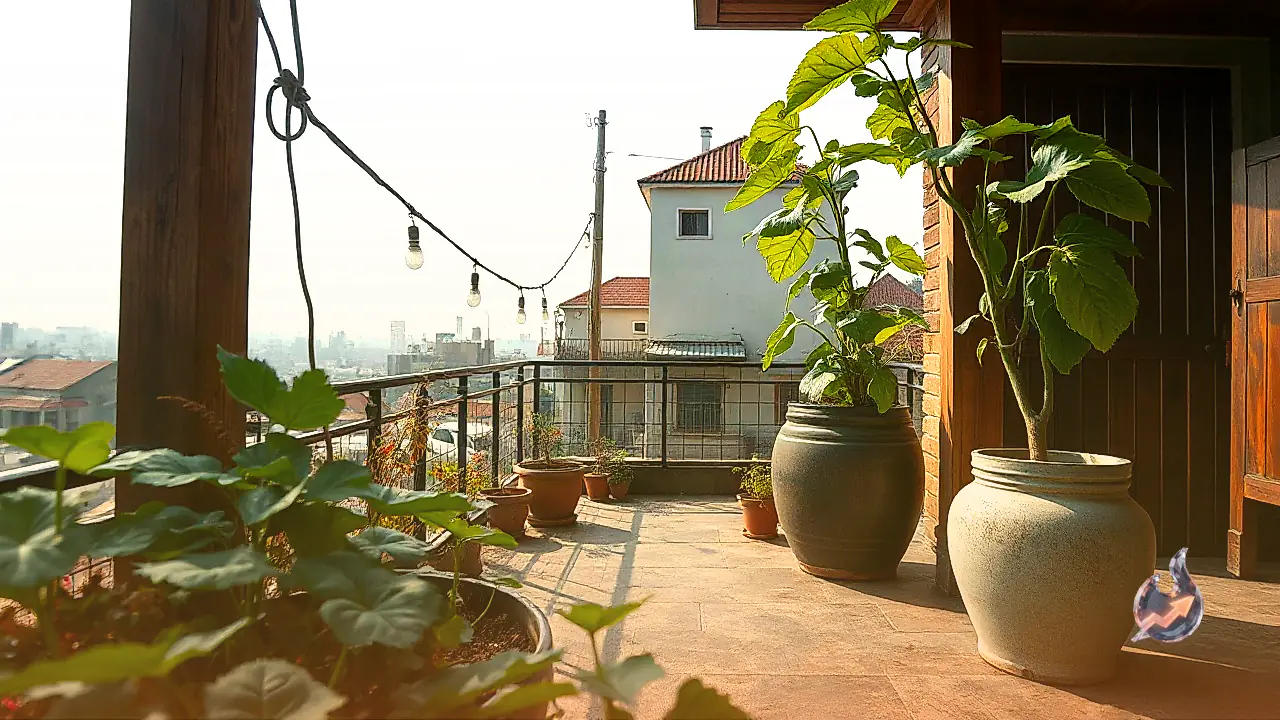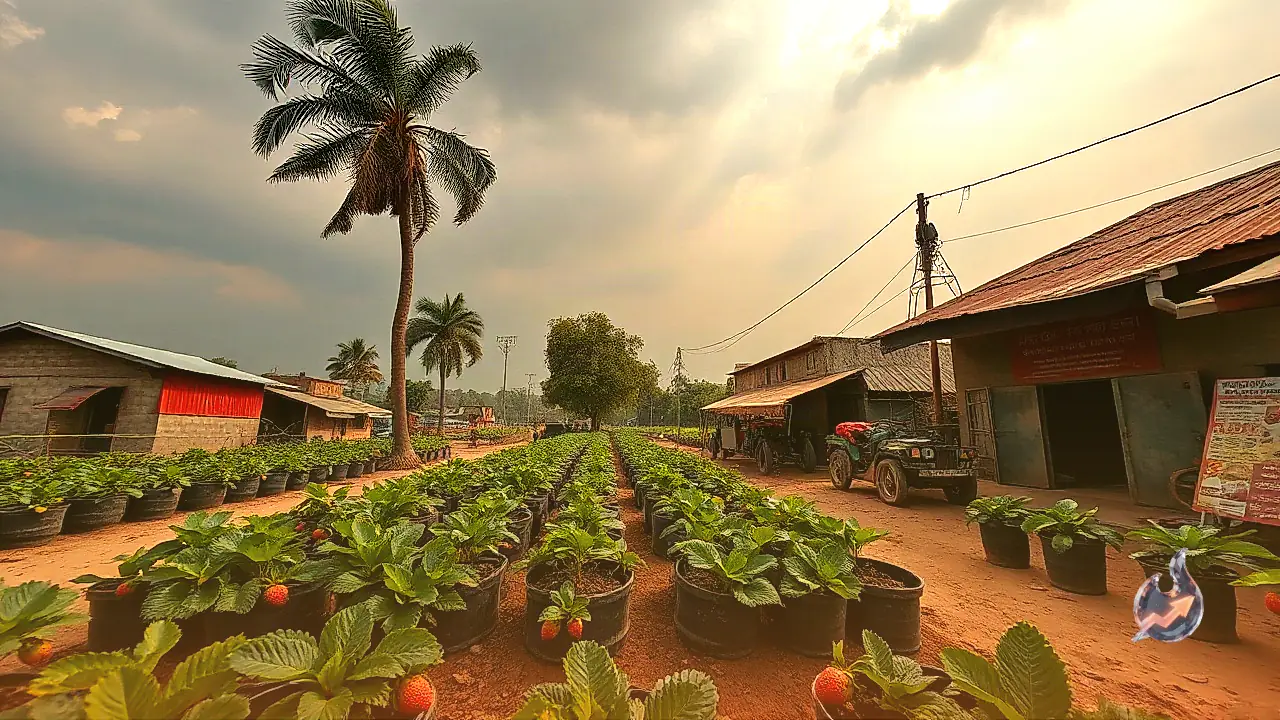























Access to fresh, chemical-free green vegetables remains a daily priority for urban households, yet the persistent lack of arable land forces most city dwellers to rely entirely on commercial markets. That limitation can now be bypassed right at home without needing a patch of soil or a backyard. Through the hydroponic farming method, families living in concrete homes can convert balconies and terraces into productive vegetable zones. This soil-less cultivation system allows a large number of plants to flourish in extremely confined quarters while using water with pinpoint precision and minimal wastage.
Overcoming Urban Space Constraints with Modern Methods
Dr. Ramu Kumar Sahu, an agricultural scientist based in Pusa, explains that individuals lacking agricultural plots can assemble a compact, functional model of this technology directly on their rooftops. The system does not demand sprawling open terrain. Provided that the supporting framework is constructed systematically and the watering arrangement is calibrated properly, any household can consistently harvest enough fresh greens to satisfy its kitchen requirements. Besides conserving floor space, the setup eliminates common soil-borne pests and maximizes plant development under regulated conditions.
Building the Framework with PVC Pipes and Cocopeat
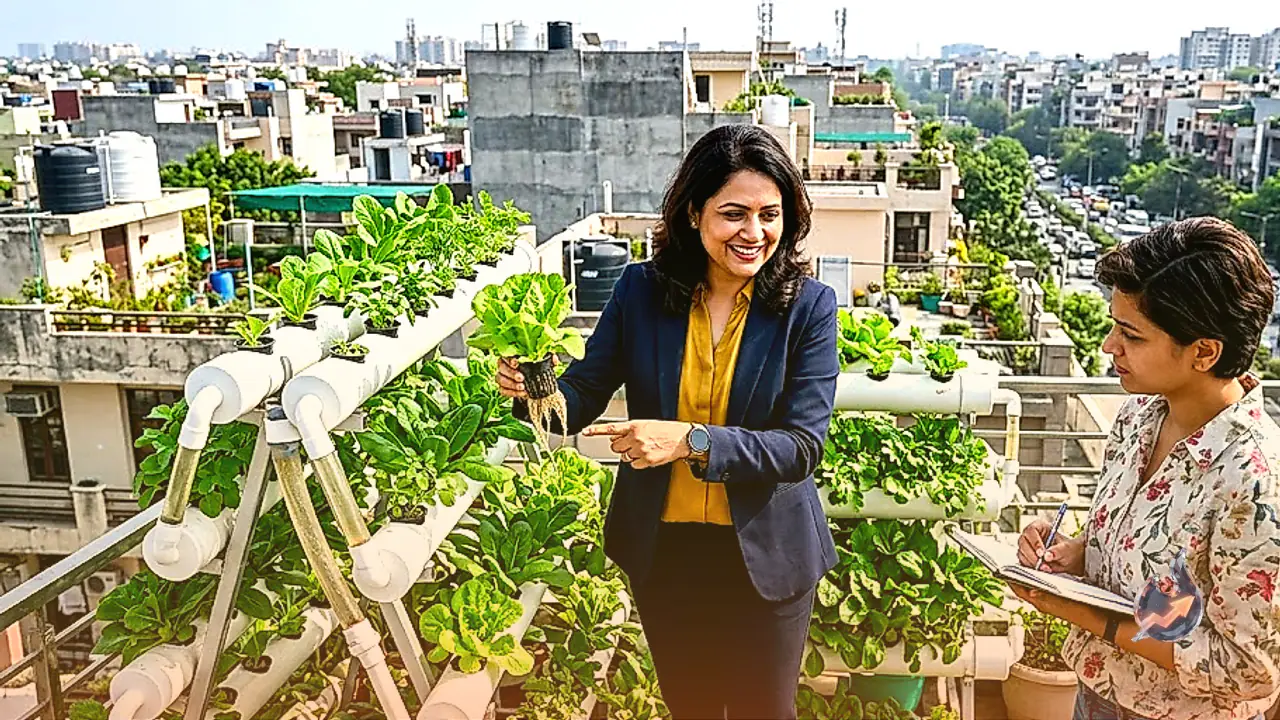
According to Dr. Ramu Kumar Sahu, conventional soil plays no role in this hydroponic arrangement. Instead of natural earth, cocopeat and similar sterile growing mediums are deployed to provide physical anchorage to young roots. Small netted pots or perforated plastic cups, readily procurable from garden supply stores, house the root bases. These net cups are slotted at measured intervals into holes drilled along four-inch PVC pipes. To support the weight of the water, pipes, and growing vegetation, a sturdy frame fabricated from iron or other durable structural material is erected first.
Depending on spatial constraints and grower preference, this structural rack can be designed vertically across three to four distinct tiers, multiplying the total plant count several times over without expanding the ground footprint. Directly beneath the tiered pipe array sits a dedicated holding tank filled with water. Connecting the storage tank to the pipe circuit enables smooth liquid circulation. As root systems expand downward from the netted pots into the pipe interior, they feed directly on the circulating moisture and dissolved essential nutrients, thriving within a strictly regulated soil-free atmosphere.
Regulated Water Circulation and Everyday Management
Circulation management forms the operational backbone of any successful hydroponic unit. Dr. Sahu points out that once the reservoir connects securely to the conduit network, continuous pump operation is unnecessary; rather, the water flow runs only for brief, scheduled intervals as needed. Running the water circulation for even a few minutes during the day keeps sufficient residual moisture around the root bundles. Crucially, the water flowing through the channel drains back into the reservoir tank, allowing identical water reserves to be reused repeatedly without systemic loss.
To put this urban farm into action, residents should begin by welding or bolting together a rigid iron frame. The four-inch PVC pipes are then mounted firmly at designated intervals, accompanied by pre-cut sockets sized for the net baskets. Depending on roof dimensions, expanding upward into a three or four-storey tier maximizes space efficiency. While the mechanism fits balconies, terraces, and compact houses seamlessly, growers must ensure that plants receive adequate natural sunlight alongside balanced nutritional replenishment and diligent water monitoring.