






















The tulsi plant holds deep religious significance in Hindu households, but the winter season often brings common challenges like yellowing leaves, dropping foliage, and even complete drying of the plant. Severe cold, frost, and excess water frequently impact the plant during these months. To address these issues, Abhishek, a nursery expert at Thakur Nursery in Bokaro, has shared important insights on how to properly care for tulsi during the winter season.
According to the expert, tulsi requires maximum care and attention during winter because cold weather and frost cause the leaves to turn yellow and fall off. Furthermore, overwatering the plant and failing to provide proper drainage in the pot can damage the roots, creating a high risk of root rot. Therefore, tulsi should always be planted in containers that feature adequate drainage holes to prevent water stagnation in the soil.
When it comes to fertilization, gardeners should stick exclusively to cow dung manure and steer clear of any chemical fertilizers. To maintain soil quality and encourage healthy plant growth, it is helpful to periodically scrape away the top layer of soil and replace it with fresh soil. The expert emphasized that chemical pesticides and fertilizers should be avoided entirely for tulsi.
Tulsi plants are particularly vulnerable to long green caterpillars during this period, which feed on the leaves and cause significant damage, leading to ragged foliage and stunted growth. If such pests appear, Abhishek suggests picking them off by hand or using a clean stick to remove them. Regular inspection of the leaves helps identify pests early, preventing severe damage to the plant.
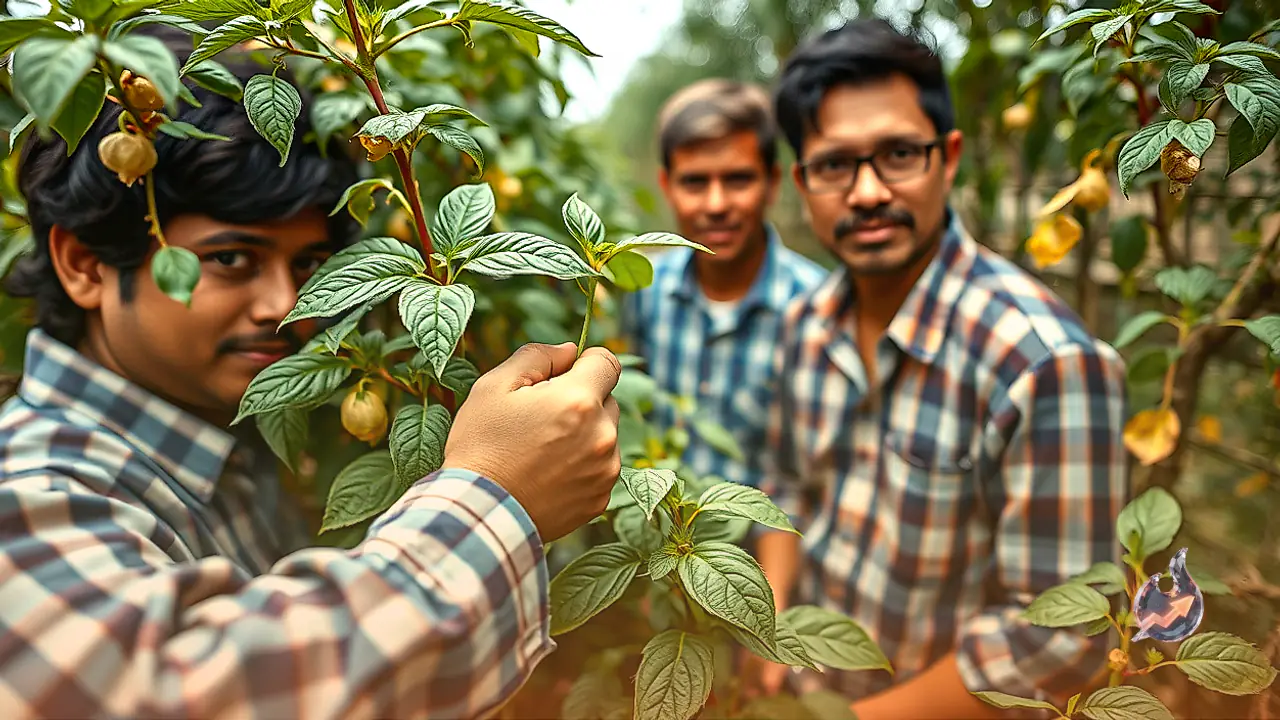
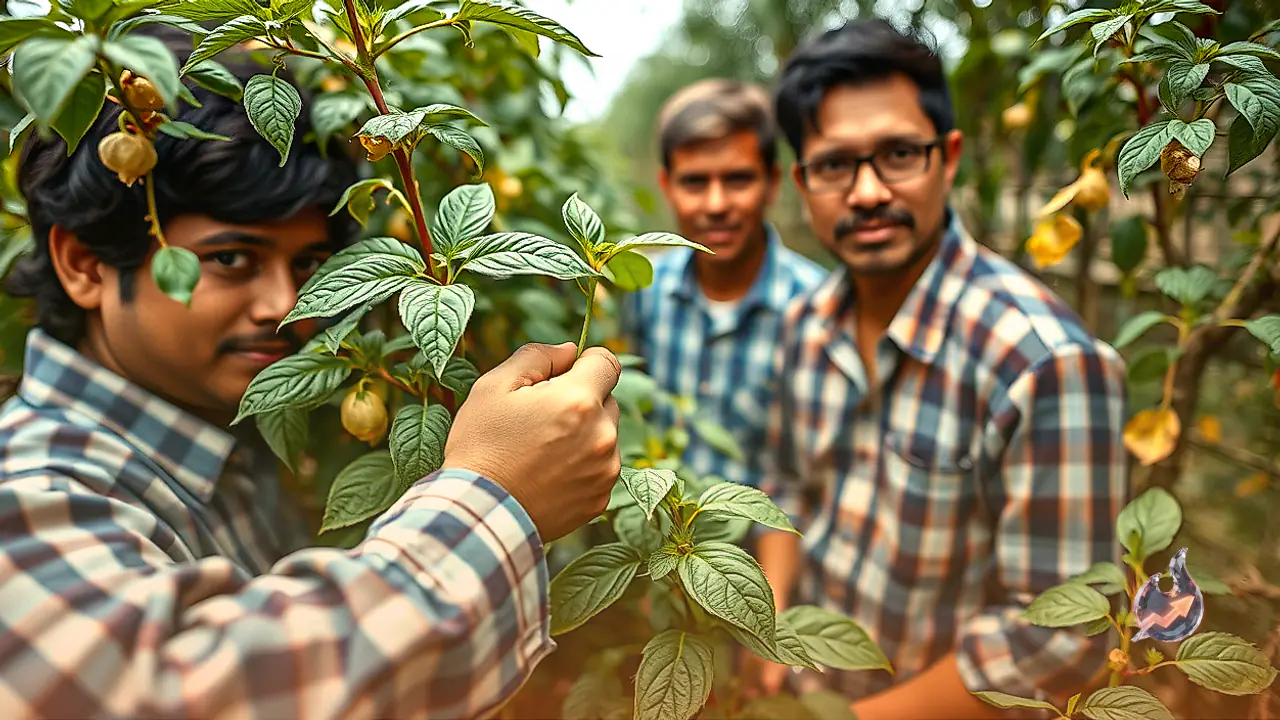
It is common to notice that a tulsi plant grows taller without developing many side branches or leaves. In such situations, performing proper pinching can be very beneficial. The pinching process involves gently removing the topmost growing tip of the plant, which stimulates the growth of new lateral branches. Additionally, dead and damaged leaves should be pruned away regularly, allowing growers to keep their tulsi healthy and thriving throughout the winter months by following these simple steps.