

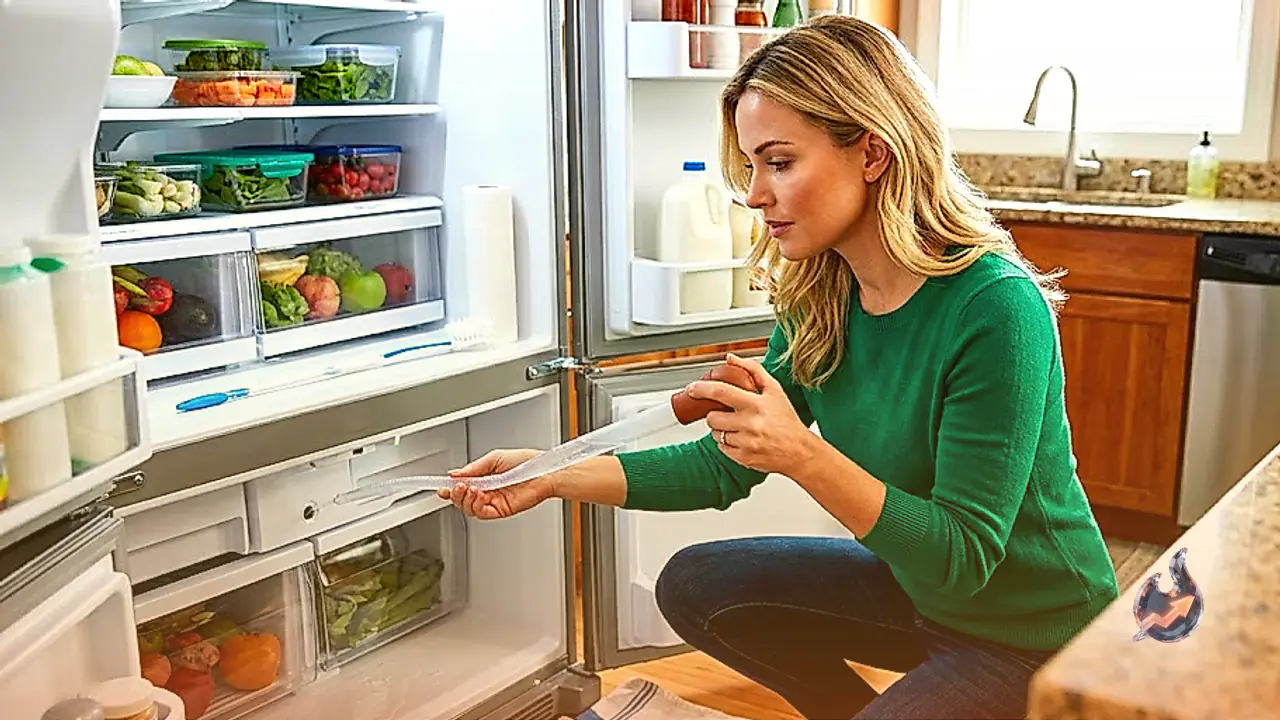























Dealing with water pooling at the bottom of your refrigerator or dripping down its back wall can be incredibly frustrating. Many homeowners immediately fear the worst, assuming their appliance is broken and that they must pay for an expensive professional repair. However, in a vast majority of cases, internal water leakage is caused by very simple, everyday issues that do not require any expert intervention. Before you pick up the phone to call a service technician, you can easily troubleshoot and resolve the issue yourself by inspecting a few key components of your appliance.
Clearing a Blocked Drainage Hole
Inside most modern refrigerators, there is a small drainage hole located at the bottom of the back wall. This opening plays a crucial role in the appliance's daily operation, as it allows the water generated during the automatic defrost cycle to escape safely into a drip pan beneath the fridge. Over time, tiny food particles, crumbs, dust, or even ice buildup can clog this narrow passage. When the drain becomes blocked, the defrost water cannot escape and instead pools inside the lower compartment. To fix this, turn off the power supply to your refrigerator and carefully inspect the area around the hole. Clear away any visible debris. It is absolutely vital that you do not use sharp metal objects, such as knives or screwdrivers, to clear the blockage, as these can easily puncture the refrigerator's plastic lining or damage its internal mechanics.
Optimizing the Temperature Settings
Setting your refrigerator's temperature too low is another common culprit behind internal puddles. When the interior is excessively cold, the moisture that naturally accumulates on the inner walls can freeze into a thick layer of frost. When the refrigerator eventually goes through its defrost cycle, or when the compressor temporarily shuts off, this heavy accumulation of ice melts rapidly. The sheer volume of water can easily overwhelm the drainage system, leading to overflow and leakage. To prevent this, ensure that your thermostat is set to the manufacturer's recommended standard temperature. There is no practical need to run your refrigerator at maximum coldness, as a moderate, balanced setting is more than sufficient to keep your food fresh while preventing ice buildup.
Inspecting the Door Seal Gasket
The rubber gasket running along the edge of your refrigerator door acts as a barrier, keeping cold air inside and preventing warm, humid air from entering. If this seal becomes dirty, cracked, or loose, outside air will constantly seep into the appliance. When this warm exterior air collides with the freezing temperatures inside, it triggers a process known as condensation, resulting in heavy water droplets forming on the ceiling and walls. Regularly inspect the rubber seal for any signs of wear, tears, or accumulated grime. You can easily clean the gasket using a mild mixture of soapy water and a soft cloth. Be sure to dry it completely after cleaning to ensure a tight, secure seal when the door is closed.
Letting Hot Food Cool Down First
Placing steaming hot dishes directly into your refrigerator can severely disrupt its internal climate. The sudden introduction of hot food raises both the temperature and the humidity levels inside the compartment. This sudden spike in moisture leads to excessive condensation, with water droplets forming rapidly on the shelves and walls, which eventually pool at the bottom. To avoid this issue, always allow your freshly cooked meals to cool down to room temperature before placing them in the fridge. Additionally, keeping your food items covered while stored will further prevent moisture from escaping into the refrigerator's air.
Avoiding Overpacking and Blocking Air Vents
While it can be tempting to utilize every inch of shelf space, overloading your refrigerator can restrict the flow of cold air. For efficient cooling, air must circulate freely throughout the cabinet. When food containers are packed too tightly together or placed directly in front of the air vents, they trap pockets of cold and warm air. This imbalance creates localized high humidity, which leads to condensation and dripping water. To maintain proper airflow, leave sufficient space around the vents and arrange your food items neatly, ensuring that nothing is crammed too tightly against the walls or shelves.
When to Seek Professional Help
If you have cleared the drainage hole, adjusted the temperature settings, cleaned the door seal, and ensured proper food placement, but water still continues to accumulate inside your appliance, the root cause may be a deeper technical issue. Problems within the automatic defrost system, a cracked drain pipe, a damaged drip tray, or other internal mechanical faults require expert knowledge to repair. In such situations, it is highly recommended to contact a qualified technician rather than attempting to disassemble the refrigerator yourself, as doing so could void your warranty or cause further damage.


