






















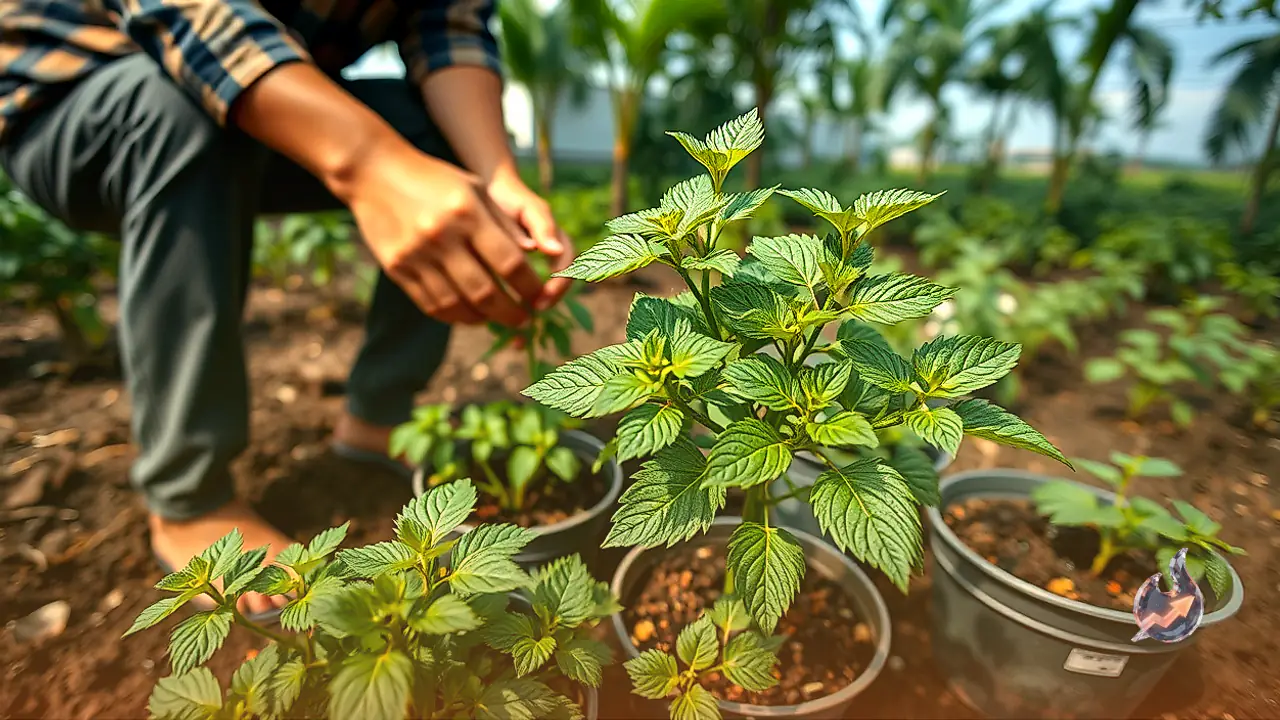

Aromatic foliage and intense culinary flavor make the sweet neem, widely known as the curry leaf plant, a cherished addition to kitchen gardens. Whether used to temper a steaming bowl of dal or to blend into fresh chutneys, its leaves bring an unmistakable scent to everyday cooking while offering well-known perks for hair care and overall wellness. Alongside popular culinary and medicinal herbs like mint, aloe vera, and holy basil, a curry leaf bush thrives comfortably in terrace setups, balconies, and sunny patio corners. While starting from seed is possible, the germination and early growth process takes considerable time, making a healthy nursery-bought sapling with sturdy green foliage the far more practical choice for container gardeners.
Selecting an Adequate Container and Ensuring Drainage
The foundation of successful container gardening begins with choosing a pot of proper dimensions. Curry leaf root systems require ample room to spread out and anchor firmly, which means the container should measure at least 12 to 14 inches in diameter or even larger. Confining the roots to a shallow or narrow planter quickly restricts nutrient absorption and stunts branching. Equally critical is inspecting the base of the pot for two to three open drainage holes. These openings allow excess moisture to drain away freely after watering, preventing soggy soil pockets that cause root rot and fungal infections.
Building a Balanced and Well-Draining Soil Mix
Nutritional balance in the potting medium dictates how vigorously the plant produces foliage. An ideal blend consists of 50 percent standard garden soil, 30 percent well-rotted aged cow manure or vermicompost, and 20 percent coarse sand. This balance keeps the substrate loose, airy, and friable, allowing fragile root tips to navigate easily without compacting. Because leafy green growth demands steady nitrogen, supplementing the base medium with 200 grams of neem cake powder, 100 grams of mustard cake powder, and a small quantity of bone meal or organic bio-fungicide establishes solid defenses against soil-borne pests. After blending these ingredients thoroughly, center the sapling inside the planter, backfill with the prepared mixture, and provide a deep initial soaking to settle the roots securely into place.
Two Core Inputs for Accelerated and Dense Growth
Transforming a single, leggy stem into a dense, heavily branched shrub requires focused nourishment that works like a growth tonic. The first vital element is nutrient-rich vermicompost or thoroughly decomposed farmyard manure, which replenishes active microbes and supplies steady organic nitrogen. The second indispensable input is Epsom salt, chemically known as magnesium sulfate, which directly drives chlorophyll synthesis inside the leaves. Applying one teaspoon of Epsom salt dissolved in one liter of water once every month, either poured around the root zone or sprayed onto the foliage, keeps the leaves vibrant and deep green. Supplementing this regimen with a measured dose of steamed bone meal or rock phosphate accelerates root establishment, helping the bush expand dramatically within just a few weeks.
Pruning Schedules and Aeration Routines
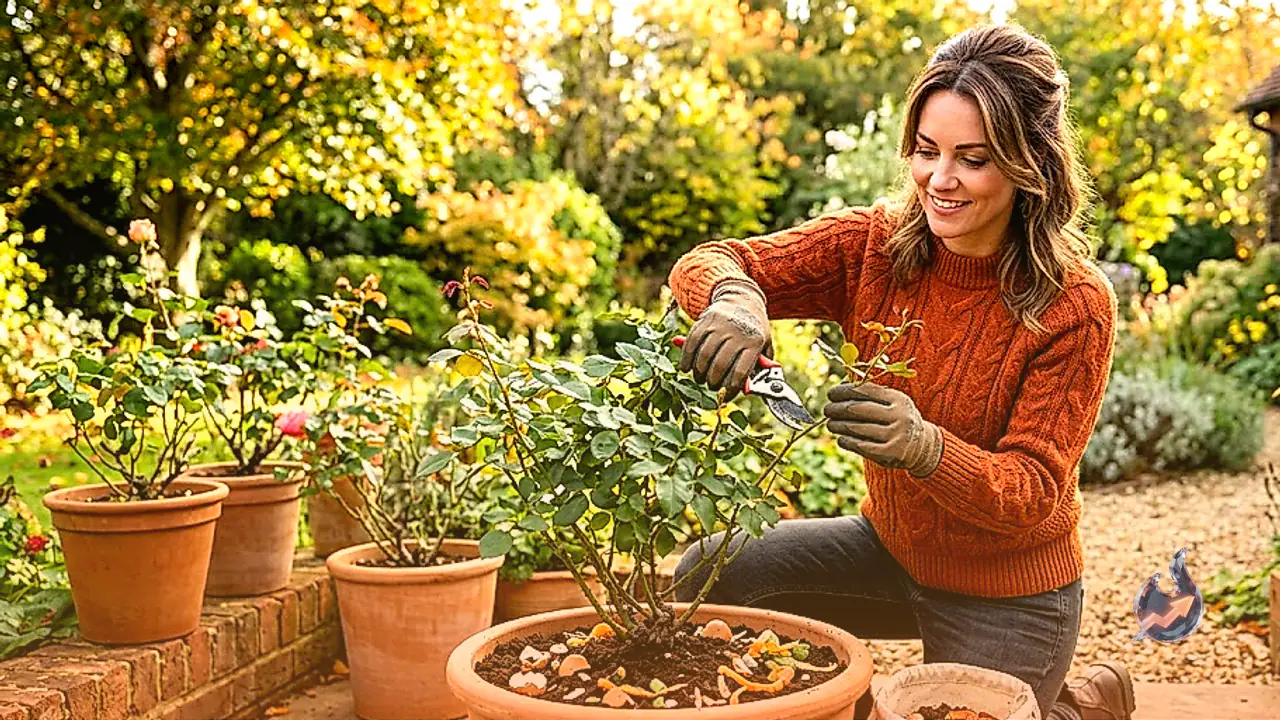
Many novice growers hesitate to trim their plants out of concern that cutting will cause damage, but sweet neem responds with vigorous outward growth when trimmed. Snipping the growing apical tip or removing dried and yellowing stems triggers latent buds along the lower stem to break out into multiple branches. Frequent harvesting of mature sprigs functions naturally as ongoing maintenance, encouraging the plant to spread sideways rather than shooting upward as a solitary stalk. The prime period for light structural pruning falls across February and March, which marks the natural start of the active growth window. Light surface hoeing should accompany this routine periodically to break up surface crusts, eliminate emerging weeds, and facilitate oxygen flow directly into the root zone.
Natural Pest Management and Maintenance Practices
Container-grown curry leaf plants occasionally face infestations from mealybugs, scale insects, and fungal spots that degrade the foliage. Chemical pesticides should be strictly avoided on edible greens, making organic sprays the safest approach. A gentle solution made with a few drops of pure cold-pressed neem oil, a drop of mild liquid soap, and plain water serves as an effective contact spray across the stems and leaf undersides. Applying this mixture prevents pests and fungal spores from establishing a colony. Furthermore, scratching a single tablespoon of neem cake powder into the top inch of potting soil every 15 to 20 days acts as a natural soil fungicide, warding off subterranean grubs and keeping the root zone completely healthy.