

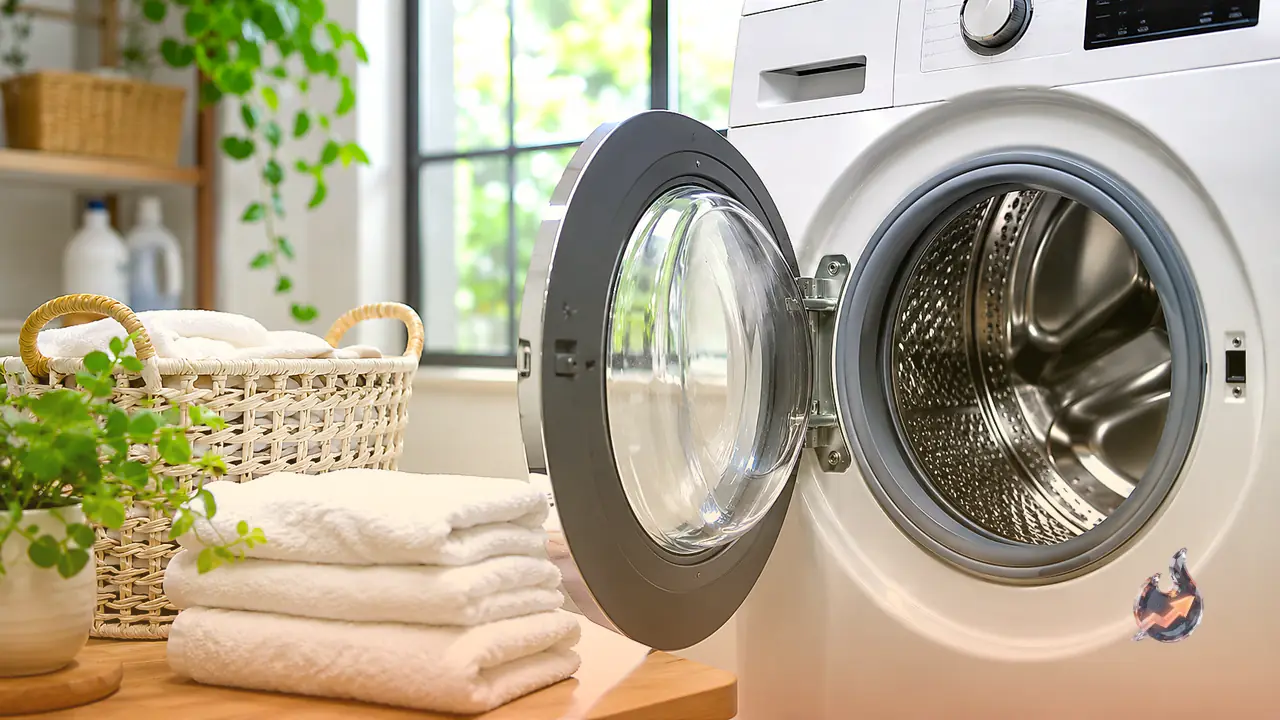





















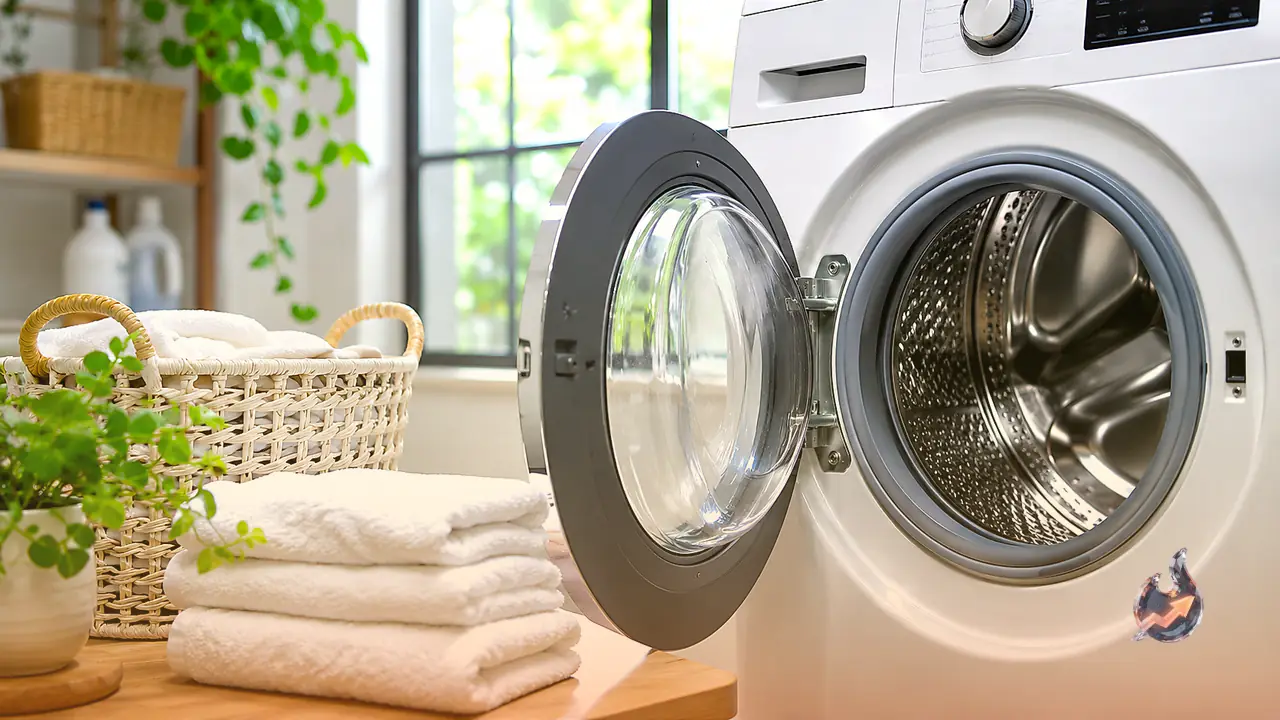

Washing machines have become an essential appliance in almost every household for handling laundry needs, but users often encounter a stale, damp odor coming from freshly washed garments instead of a clean fragrance. This issue is frequently caused by accumulated grime hidden within the appliance rather than the quality of the detergent or the clothes themselves. When the machine is not cleaned on a routine basis, leftover soap residues, water droplets, and humidity begin to build up over time. These conditions create an ideal environment for mold to thrive, which directly generates unpleasant smells. Simply wiping down the main washing drum is rarely sufficient, as several other vital areas require regular maintenance and attention.
Cleaning the Rubber Door Seal
Front load washing machines feature a flexible rubber gasket positioned securely around the entire entry door. This particular area tends to trap water droplets, residual soap, and tiny fabric fibers or threads during every wash cycle. Because moisture remains constant here, mold can easily accumulate and produce a pungent smell. To properly address this, first switch off the appliance for safety. Gently pull back the folds of the rubber seal using soft movements and wipe the interior thoroughly with a damp, soft cloth. Finish the process by using a dry cloth to eliminate any remaining moisture, which helps prevent future mold growth and lingering odors.
Maintaining the Detergent Drawer
During regular laundry cycles, leftover fragments of washing powder, liquid detergent, and fabric softener gradually accumulate inside the machine's detergent dispenser tray. Continuous dampness in this compartment encourages dirt and mold to multiply, contributing significantly to the overall odor coming from the system. To clean this part effectively, slide the tray out carefully by following the manufacturer instructions provided with the appliance. Use lukewarm water alongside a soft-bristled brush to scrub away all buildup. Make certain that the drawer is completely dry before reinstalling it back into the machine housing.
Deep Cleaning the Washing Drum
Frequent washing cycles cause soap particles and detergent residues to form thin layers inside the primary washing drum. Using excessive amounts of detergent or running washes constantly at low temperatures accelerates the formation of this grimy film. As a result, the appliance develops a noticeable stale scent. To resolve this buildup, run the designated tub clean or drum clean program built into the system. If this specific feature is unavailable on your model, consult the user manual and follow the recommended maintenance steps outlined by the manufacturer.
Keeping Doors and Lids Dry
Shutting the washing machine door or lid tightly immediately after a laundry load finishes traps residual moisture trapped inside the compartment. This trapped humidity significantly raises the risk of damp odors and fungal growth developing within the inner cavity. To counter this, wipe down the door and internal surfaces using a dry cloth right after the cycle ends. Additionally, leave the door of a front load machine or the lid of a top load model slightly open for a short while, allowing trapped air and humidity to escape freely.
Additional Maintenance Practices
Keeping the washing machine entirely clean and free from bad smells requires paying attention to a few simple daily habits. Never leave washed garments sitting inside the appliance for extended periods after a cycle completes. Avoid pouring excessive amounts of detergent into the dispenser, as leftover soap leaves thick residues behind. Clean the machine filter periodically based on the schedule recommended in the product manual. Always allow the interior sufficient time to dry completely after every use. Consistent cleaning routines successfully reduce dirt buildup, persistent moisture, and damp odors over time.