























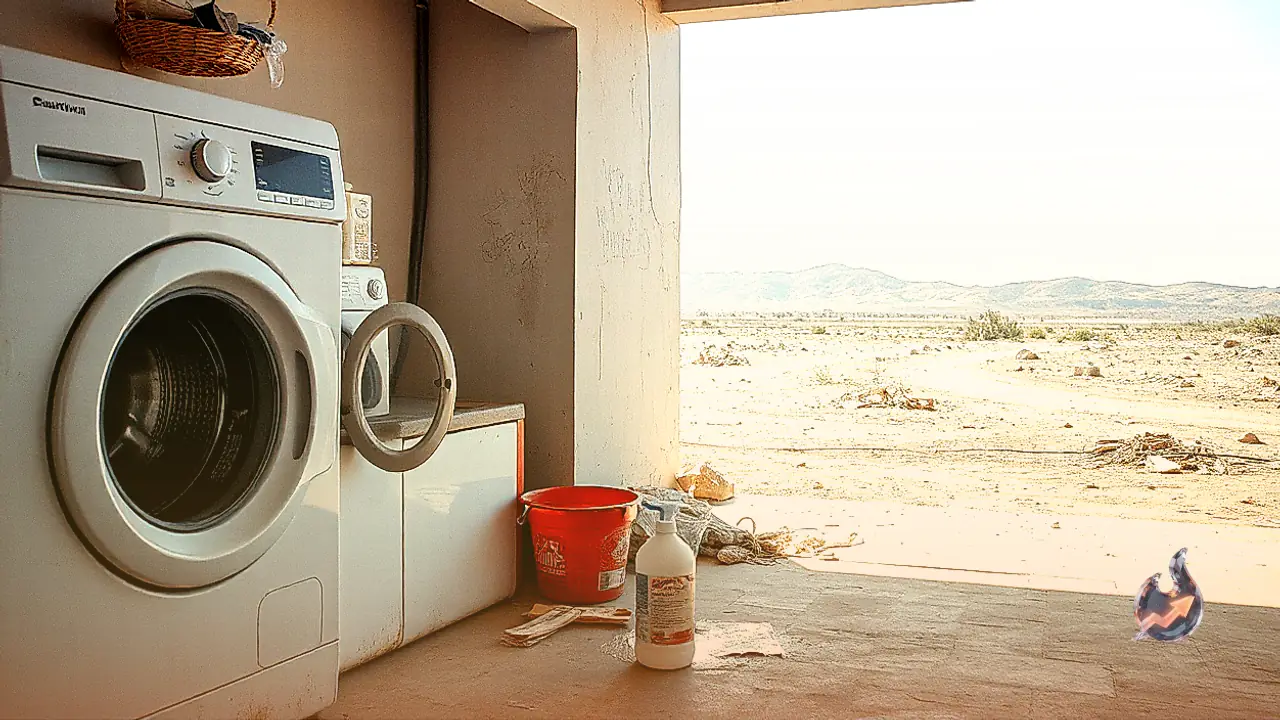

A washing machine is designed to remove stubborn stains, deep-seated grime, and sweat odours from everyday garments. When a brand-new appliance is installed, every load of laundry emerges smelling exceptionally crisp and fresh. Over time, however, persistent cycles of washing often lead to a puzzling shift, where freshly laundered garments start carrying a damp, musty smell instead of that clean scent. Many homeowners mistakenly interpret this as an internal mechanical breakdown, but the reality is far simpler: it is caused by the gradual buildup of grime and hidden residue inside the machine itself.
This frustrating issue tends to occur far more frequently in front load washing machines than in other models. If the early warning signs of unpleasant smells are neglected, the odour progressively intensifies until it permeates the entire utility area. Restoring that clean laundry scent and keeping the appliance in peak condition requires a combination of targeted cleaning steps and small adjustments to daily washing routines.
The Core Reasons Behind Washing Machine Odours
The primary driver behind foul odours inside any washing machine is trapped moisture, which creates an optimal breeding ground for mold, mildew, and colonies of bacteria. Compounding this moisture problem is the gradual accumulation of leftover laundry detergent, liquid fabric softeners, body oils washed from fabrics, and general dirt particles.
These elements do not always wash away completely with the drain cycle. Instead, slimy deposits settle quietly along the stainless steel drum, the deep folds of the rubber door gasket, inside the detergent dispensing tray, and within the drainage components. Because these areas remain continually damp, the organic matter and soap scum begin to decompose, generating an unmistakable sour stench that transfers directly to freshly washed clothes.
Four Strategic Steps to Eradicate Appliance Odours
Tackling persistent smells demands systematic attention to the specific components where sludge and standing water collect most easily.
Inspect and Clean the Drain Filter: The first line of defense is the drain filter located near the base of the machine. This compartment routinely catches stray threads, loose fabric lint, trapped pocket debris, and heavy sediment. When the filter becomes clogged, water cannot drain freely, leading to stagnant, foul-smelling pool accumulation. Carefully remove the filter according to the manufacturer guidelines, clear out the trapped debris, rinse it thoroughly under a running tap, and reinsert it securely.
Scrub the Detergent Dispenser Drawer: The tray used for pouring detergent and softener frequently collects a gooey film of unrinsed soap and standing water, which quickly develops dark mildew. Slide the tray completely out of the machine housing and wipe down the interior recess with a clean towel. For stubborn residue, submerge the plastic drawer in a mild cleaning solution for a few minutes, then use a soft-bristled brush to gently scrub away all hardened soap from every crevice.
Disinfect the Drum and Rubber Door Seal: Apply a suitable cleaning solution directly across the inside surfaces of the drum, the glass door, and the flexible rubber gasket. Allow the liquid to sit for several minutes to break down grease and surface film, then thoroughly wipe every section using a clean microfiber cloth. Paying special attention to the folds of the rubber seal on front load machines is vital, as trapped water and slimy gunk settle heavily inside those crevices.
Run an Empty Hot Wash Cycle: Once manual wiping is complete, run the machine's dedicated self-clean cycle. If your particular model does not include a self-cleaning setting, select the longest cycle available at the highest possible water temperature while keeping the drum entirely empty. Add only a washing machine cleaner recommended by the appliance manufacturer. After the cycle finishes, keep both the main door and the detergent dispenser slightly ajar to let internal steam and remaining moisture evaporate.
Daily Practices to Keep Mould and Odours Away
Maintaining long-term freshness does not require constant heavy cleaning if sensible daily habits are maintained. Clothes should always be removed immediately after a wash cycle concludes, as leaving damp fabrics trapped in a sealed drum accelerates mildew growth within hours.
Leaving the door and detergent drawer propped open after every cycle allows ambient air to circulate and dry out internal surfaces. Furthermore, wiping the rubber gasket dry with a clean cloth after laundry days prevents scum from hardening in the folds. Scheduling a basic cleaning routine at least once a month and using the correct type and precise amount of detergent designed for your machine will prevent excess suds and keep foul odours permanently at bay.