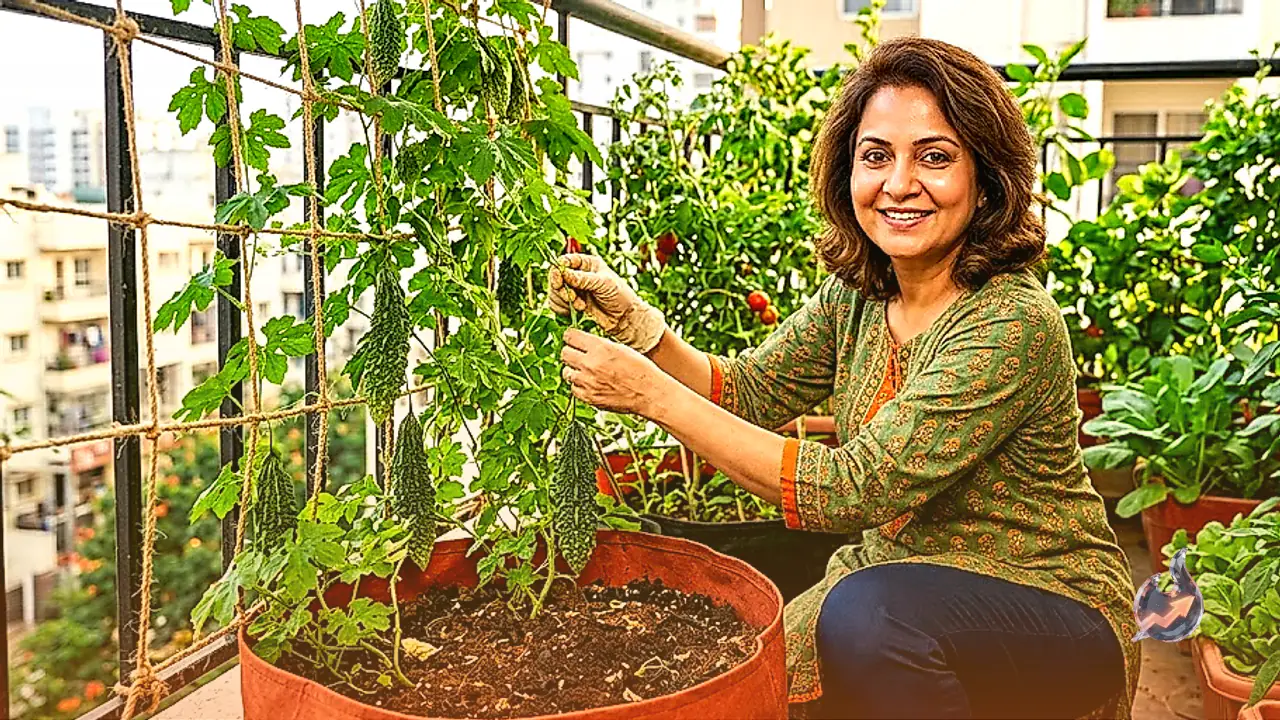

























Shifting weather conditions frequently impact garden plants, and potted marigolds are often the first to show visible signs of distress. When leaves begin turning yellow, stems droop, and flower buds start falling off, the plant requires immediate remedial care. By addressing basic environmental stresses and following key cultural practices, a declining marigold can be fully revived to produce fresh foliage and prolific blooms.
Refining the Watering Routine and Checking Soil Moisture
One of the primary reasons marigolds wither during transitional weather is excessive irrigation. Daily watering without checking root-zone moisture can cause severe waterlogging, leading directly to root rot. Gardeners should always inspect the pot by inserting a finger into the soil. Water should be applied only when the top layer feels dry to the touch. This simple moisture check prevents underground suffocation and protects delicate roots from fungal decay.
Providing Adequate Daily Direct Sunlight
Proper light exposure is critical for the metabolic health and flowering capability of marigolds. The plant requires a minimum of 4 to 5 hours of direct sunlight each day to thrive. If a container is kept in shaded corridors or under sheltered balconies where sunlight is scarce, growth slows drastically and leaves lose their green vitality. Relocating the pot to an open terrace or an unshaded spot ensures that the foliage receives sufficient solar energy.
Applying Balanced Organic Manure and Nutrient Feeds
Sustained blooming demands consistent nutrition throughout the growing cycle. A monthly application of well-rotted cow dung manure or balanced organic fertilizer replenishes essential minerals in the potting mix. Additionally, supplementing with compost or a diluted solution of mustard cake delivers an extra nutritional boost. This feeding routine encourages robust vegetative growth, prompting the plant to generate vigorous new shoots and abundant buds.
Practicing Deadheading to Promote Fresh Growth
Regular removal of spent and fading flowers is vital for maintaining the longevity of a flowering marigold. This practice, known technically as deadheading, prevents the plant from diverting its energy reserves toward seed production. By snipping off dried and withered blooms, the plant redirects all available carbohydrates and nutrients into developing fresh lateral branches and initiating a new wave of floral buds.
Monitoring Garden Pests and Using Neem Oil Sprays
Shifts in ambient temperature often trigger pest activity, particularly infestations of aphids and other tiny sap-sucking insects. These pests tend to congregate on the undersides of leaves and around tender growth tips, weakening the stems. Gardeners should inspect foliage regularly and apply a neem oil-based spray at the first sign of insect presence. Spray solutions must strictly follow product instructions to ensure safe and effective pest control.
Shielding Plants from Extreme Weather Fluctuations
Abrupt environmental variations such as persistent cloud cover, heavy rainfall, intense heat, or sharp temperature swings cause physical stress to marigolds. During intense downpours, move pots to covered areas to stop excessive rainwater accumulation and ensure proper drainage holes remain unclogged. Once clear skies return, expose the plants to open sunlight so soil dries out normally, helping them recover complete health.