























Walnuts are widely regarded as a powerhouse of healthy fats, protein, fiber, and various essential nutrients, making them a valuable addition to any balanced diet. However, reaping these health benefits entirely depends on selecting top-tier quality straight from the marketplace. Shoppers frequently make the mistake of evaluating nuts purely on the basis of their outer appearance, size, and surface gloss. Relying exclusively on these visual cues is never enough to guarantee that the kernel hiding inside is fresh and flavorful. In many cases, a nut that looks pristine on the outside turns out to be completely dried up, stale, or spoiled upon being cracked open. Fortunately, buyers can easily gauge the internal quality without removing the hard shell by applying a few straightforward techniques and exercising a little caution during shopping.
Inspecting the Shell and Cracks
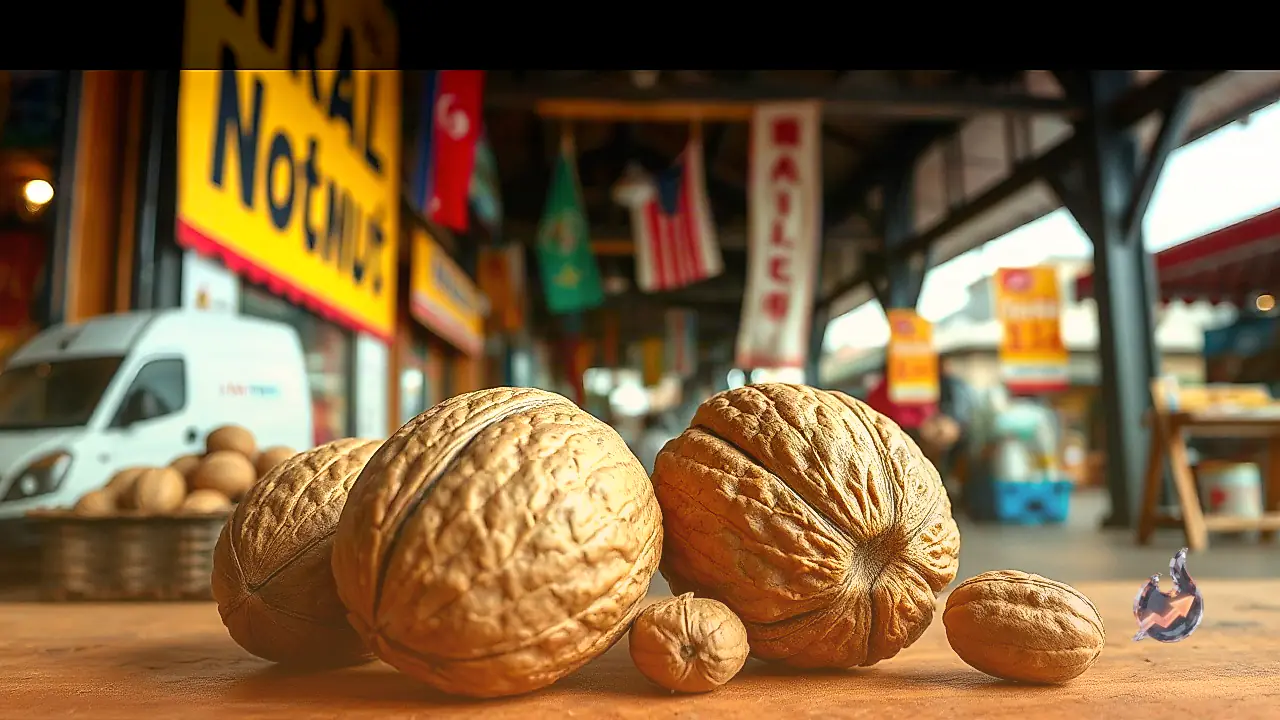
The evaluation process should always begin with a careful visual inspection of the outer shell. The exterior must never feel excessively wet, sticky, or fractured across multiple spots. While a mild natural roughness on the surface is completely normal, prominent cuts or deep fissures are major warning signs to avoid making a purchase. Moisture easily penetrates through damaged shells, causing the kernel inside to spoil much faster. Taking a couple of pieces in hand during a shopping trip to check the shell integrity helps weed out sub-par stock immediately.
Evaluating Weight and Density
After checking the outer surface, lifting the nut to assess its weight provides another reliable clue. If a piece feels remarkably light relative to its physical size, the internal kernel has likely shrunk or failed to develop fully. Conversely, a healthy and dense walnut generally feels somewhat heavy and solid when held in the palm. Relying solely on weight is discouraged, but combining it with other physical indicators yields accurate results. Holding two different pieces side by side to compare their heft makes spotting the difference much simpler.
The Shake Test
Giving the nut a gentle shake close to the ear serves as another effortless way to check its condition. Hearing a loud rattling noise or sensing significant empty space inside indicates that the walnut meat has shriveled up. While a noisy kernel does not automatically mean it is entirely inedible, exercising caution is wise when excessive rattling occurs. A premium-quality kernel leaves very little empty space within the hard casing, making a quick shake test quite effective at the store.
Spotting Mold, Moisture, and Odors
Any walnut displaying dark patches, green or white mold spots, or abnormal surface moisture should be rejected immediately. An unusual or rancid smell emanating from the shell is a definitive sign of spoilage. Bringing such items home for consumption is unwise because moisture often allows mold to penetrate deep into the edible meat. Never purchase inferior stock under the assumption that the inner kernel will magically turn out fine once the shell is discarded.
Looking Past Color Misconceptions
Color often creates unnecessary confusion among everyday shoppers. Every dark-colored nut is not necessarily bad, just as an exceptionally light or shiny shell does not automatically guarantee superior quality. Natural variations in hue commonly occur due to differences in botanical varieties and processing methods. Focusing exclusively on color is a mistake, whereas paying attention to overall shell condition, weight, moisture levels, and scent leads to far better purchasing decisions.
Proper Storage Guidelines
Proper storage is just as vital as picking the right batch at the store. Exposing walnuts to warm or humid environments causes their overall quality to degrade rapidly. Storing them in a cool, dry place helps preserve their freshness for longer periods. Utilizing airtight containers is recommended when keeping them for extended durations. Always inspect the contents thoroughly after opening a pack if any dampness or off-odors are detected.