






















When we go vegetable shopping, we often pick up brinjals simply by looking at their bright outer appearance and placing them straight into our baskets. A glossy peel makes the vegetable look completely fresh and appealing at first glance. However, it is quite common for a brinjal that looks flawless from the outside to turn out rotten or infested with worms once you slice it open at home. Finding dark spots or insects inside the vegetable during meal preparation can instantly ruin both your mood and your dish. To avoid such disappointments, it is essential to exercise a little caution the next time you visit the vegetable market.
You do not need to be a trained agricultural expert to figure this out. You simply need to observe the skin, the stem, the weight, and the overall firmness of the brinjal. A few simple signs can guide you in selecting fresh and high-quality produce. Let us explore the easiest ways to shop for brinjals so you never have to feel disheartened by discovering a spoiled or worm-eaten vegetable after bringing it back home.
Check for a Glossy and Tight Peel
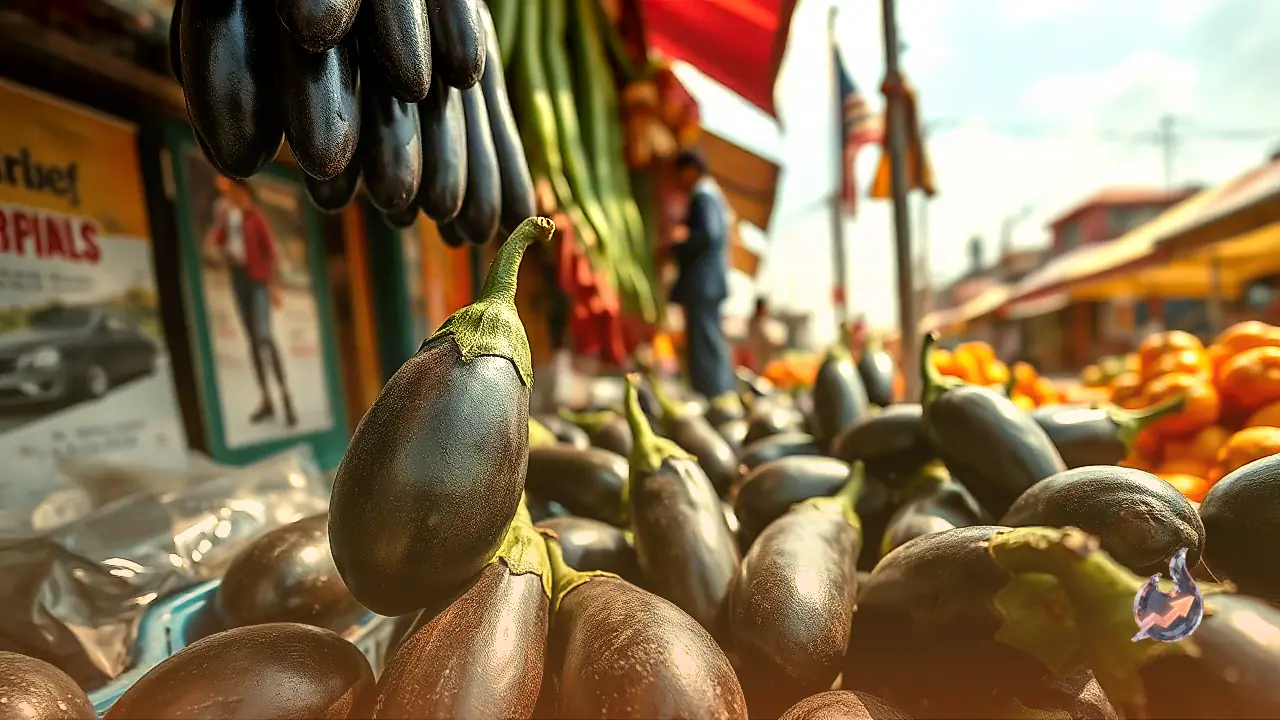
The easiest way to identify a good-quality brinjal is by examining its outer skin. A fresh brinjal features a smooth, shiny, and tightly stretched peel. If the skin appears excessively loose, wrinkled, or dull, it is best to avoid purchasing it. Such a vegetable is likely old and has lost its internal moisture over time.
Feel the Firmness Without Pressing Too Hard
Pick up the vegetable and gently press it with your fingers to check its texture. A fresh brinjal will feel slightly firm and sturdy. If it feels extremely soft upon pressing or if your finger easily sinks into the flesh, there is a strong possibility that it is decaying from the inside. Since squeezing too hard can bruise the vegetable and ruin it, rely only on a gentle touch.
Inspect the Stem for Freshness
The green stem attached to the top of a brinjal serves as a clear indicator of its freshness. A freshly harvested brinjal will have a green and relatively lively stem. If the stem looks extensively dry, brown, or withered, it means the vegetable has been sitting around for quite a while and is no longer fresh.
Watch Out for Tiny Holes or Black Spots
If you notice small punctures, dark dots, or unusual marks on the skin of the brinjal, examine it very carefully. Such markings often indicate that insects have burrowed inside. Specifically, any brinjal displaying more than one noticeable hole should be avoided at all costs to prevent buying damaged produce.
Let the Weight Reveal the Truth
If you are holding two brinjals of the exact same size, lift both to compare their weight. A fresh and premium-quality brinjal will feel dense and appropriately heavy for its size. A brinjal that feels unusually light is often packed with excessive seeds and lacks proper freshness on the inside.
Choose the Right Size Rather Than the Biggest One
Brinjals come in various shapes and sizes depending on the specific variety, so being large or small does not automatically mean a vegetable is bad. Even so, for general cooking purposes, select specimens that feel solid, fresh, and free from bruises relative to their proportions. Overly mature brinjals tend to contain hardened seeds and a tougher pulp.
Re-examine After Bringing Home
Even after bringing the vegetables back home, take a moment to inspect them once more before you start cooking. If slicing reveals black or brown patches, a strange odor, abnormal mushiness, or insects inside, do not take any chances with that portion. Always cook with clean, fresh, and healthy pieces.