




















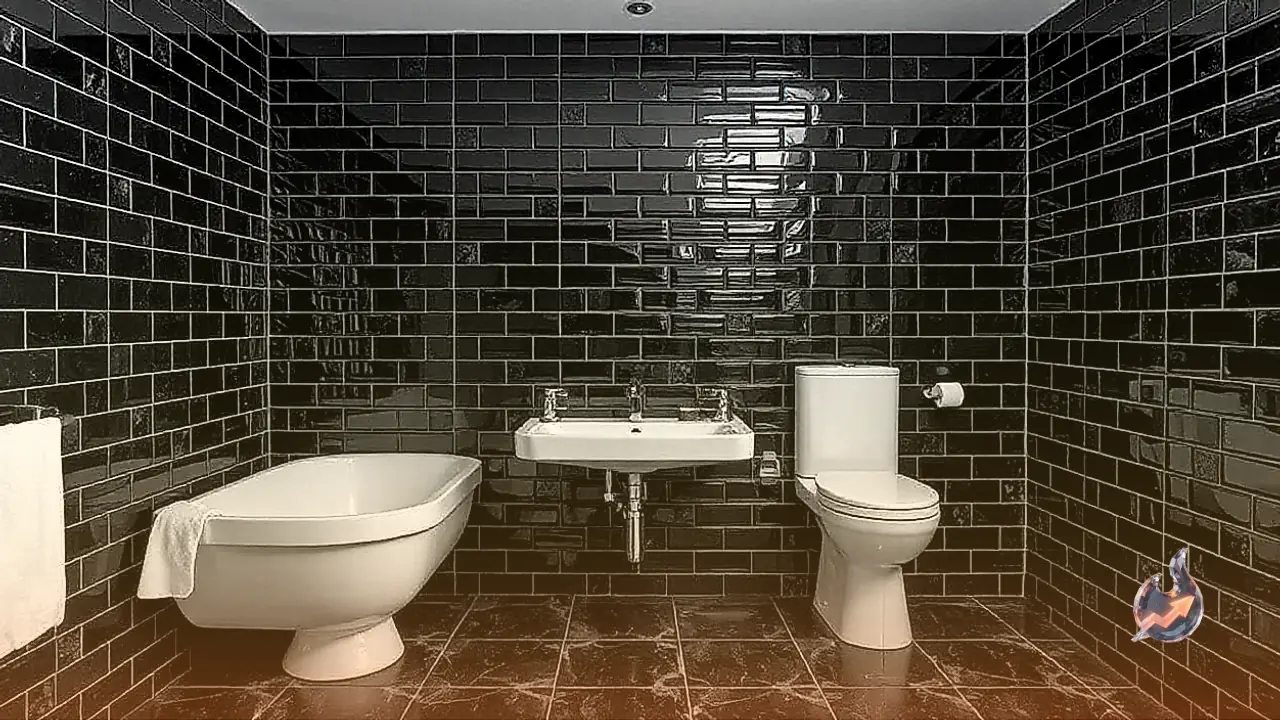

Black tiles in a bathroom create a stunning and sophisticated aesthetic, but maintaining their pristine appearance can prove quite challenging. Soap scum, hard water stains, dust, and a distinct white film tend to accumulate on these surfaces very quickly. Often, despite regular cleaning routines, the tiles begin to lose their deep luster over time. Instead of investing in expensive commercial chemical cleaners, homeowners can easily rely on readily available household items to revive the finish of their bathroom walls and floors.
Using Dish Soap and Warm Water for Grease Removal
Black tiles frequently develop a slick layer of residue caused by soap buildup and body oils. To eliminate this film effectively, mix a small amount of dishwashing liquid into a bucket of lukewarm water. Clean the surface thoroughly using a microfiber cloth or a soft sponge. Once the grime is lifted, rinse the area completely with clean water and dry it down with a dry cloth to prevent water spots.
Tackling Stubborn Water Stains With White Vinegar
If your tiles are marred by unsightly white hard water marks, white vinegar serves as an exceptionally helpful solution. Prepare a cleaning solution by mixing equal parts of water and white vinegar together. Apply this mixture to a small, inconspicuous section of the tiling, let it sit for a few minutes, and wipe it away with a clean cloth. However, vinegar should never be applied indiscriminately to all tile varieties, particularly natural stones like marble, which can suffer permanent damage. Always consult the manufacturer guidelines before proceeding.
Lifting Deep-Seated Stains With Baking Soda
The corners and edges of tiled surfaces often accumulate stubborn grime that resists ordinary wiping. To address this, take a small quantity of baking soda, mix it with water to form a smooth paste, and apply it directly onto the stained areas. Gently scrub the spot using a soft-bristled brush, then rinse the residue away thoroughly with clean water. Always test this method on a small, hidden patch of the tile surface first to ensure safety.
Cleaning Grout Lines and Corners With an Old Toothbrush
The narrow spaces between individual tiles, known as grout lines, are notorious for trapping dirt and moisture quickly. To clean these tight gaps efficiently, an old, soft toothbrush can be put to good use. Apply a small amount of cleaner onto the bristles and scrub gently to loosen trapped debris. This technique helps extract dirt from awkward corners, keeping the overall installation looking immaculate.
Wiping Away Water Droplets Immediately
Once water droplets dry on dark tiles, they leave behind prominent white mineral spots. A proactive way to combat this is to use a wiper or a dry microfiber cloth to remove excess moisture from the walls and floor immediately after showering. Minimizing standing water dramatically reduces the formation of mineral deposits and soap film accumulation over time.
Utilizing Steam Cleaners and Final Drying Steps
For deep-seated grime trapped along tile edges and grout, a steam cleaner can offer a powerful cleaning boost. The high-temperature steam helps break down stubborn deposits effectively, though it must always be operated according to the specific instructions provided by the tile manufacturer. Never leave tiles to air dry after a wet wash; always dry the entire surface using a clean microfiber cloth to eliminate streaks and keep the dark tiles looking spotless.