




















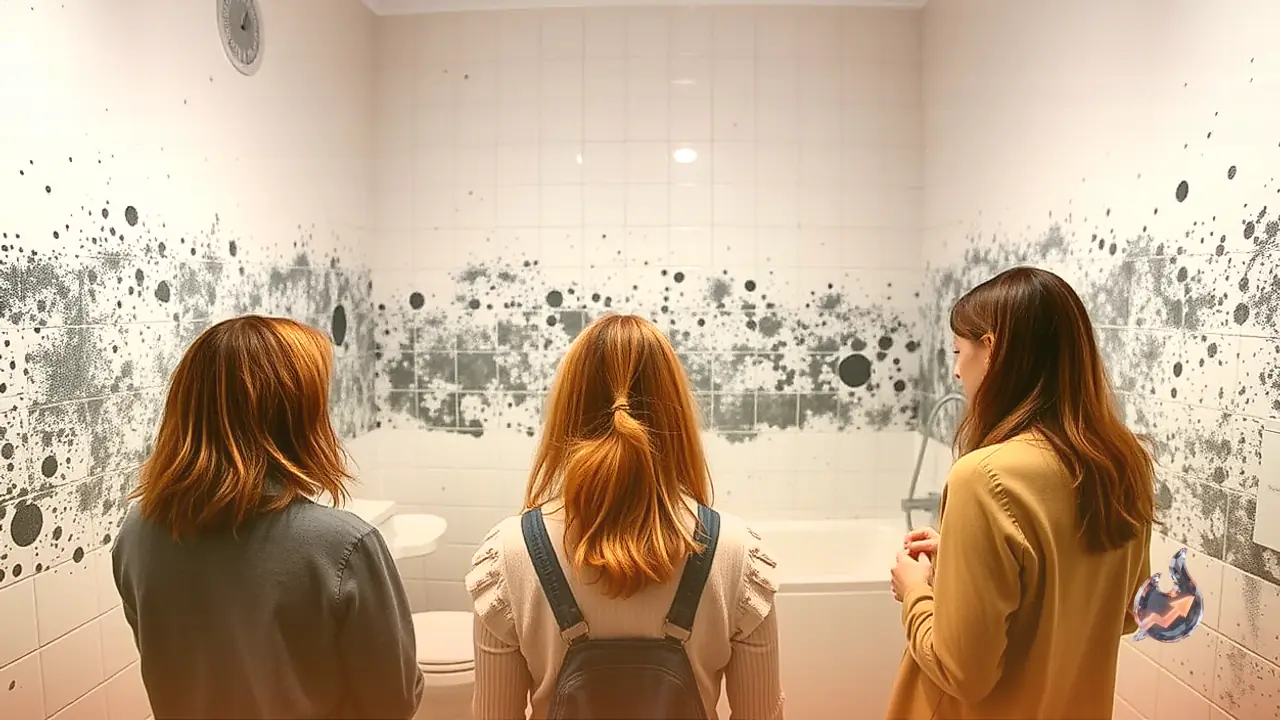

Bathrooms are consistently exposed to running water, making them the most moisture-laden spaces in any home. When this constant dampness combines with a lack of proper airflow, black mould spores quickly settle and spread across wall paint and tile grout. Beyond ruining the appearance of the interior with dark stains, this fungal growth poses genuine health hazards, often triggering respiratory troubles and persistent allergies. While many homeowners immediately seek out harsh store-bought cleaners, highly reliable and natural household solutions can eliminate the problem completely without requiring excessive effort or expense.
Eliminating Surface Mould with Undiluted White Vinegar
White vinegar serves as a potent natural agent against both fungal colonies and bacterial growth. To tackle affected surfaces, pour pure white vinegar directly into a spray bottle without adding any water. Generously coat the infested sections of the wall and let the liquid sit undisturbed for 1 hour so the acid can penetrate and loosen the spores. Once the waiting period ends, scrub the area thoroughly using a scouring pad or an old toothbrush, then rinse everything away using hot water.
Using a Thick Baking Soda and Vinegar Paste for Stubborn Spots
When mould has settled deeply into wall pores or grout lines, baking soda delivers the abrasive cleaning strength needed to lift it. Place half a cup of baking soda into a bowl, then stir in a small splash of water or vinegar until a dense, spreadable paste forms. Coat the mouldy patches evenly with this mixture and allow it to rest for 15 to 20 minutes. After the mixture works on the stain, scrub the surface firmly with a brush and wash away the residue with clean water.
Preventing Regrowth with a Tea Tree Oil Spray
Tea tree essential oil provides an exceptional natural barrier that halts fungal development. Prepare this solution by blending 1 teaspoon of tea tree oil into 1 cup of plain water, then transferring the mixture into a clean spray container. Mist the liquid directly over the mould-prone patches. A major benefit of this technique is that you do not need to wipe or rinse the surface afterward, as the residual oil actively keeps new mould colonies from taking root.
Lifting Discolouration Using Hydrogen Peroxide
Hydrogen peroxide works effectively to eradicate fungal roots while simultaneously bleaching away deep, unsightly discolouration left behind on walls. Pour the hydrogen peroxide solution into a standard spray bottle and mist it across the affected spots. Allow it to sit and break down the stains for 10 to 15 minutes. Finish the process by lightly scrubbing the area with a pad and rinsing the remaining liquid off thoroughly with fresh water.
Crucial Preventative Measures to Stop Mould from Returning
Clearing existing fungal patches solves only half the problem, as permanent relief requires eliminating excess indoor dampness. Improve overall air circulation by keeping the bathroom exhaust fan running for at least 15 to 20 minutes immediately following every shower. Furthermore, use a hand squeegee or wiper after bathing to wipe moisture off the tiles, walls, and floor so puddles cannot linger. Finally, build a habit of wiping down bathroom surfaces with a vinegar-infused water solution at least once every week to prevent fresh spores from establishing themselves.