






















While constructing a new house, people frequently focus heavily on attractive tiles and modern sanitary fittings while completely overlooking the proper planning of the toilet pit or septic tank. This minor negligence often turns into a major headache later on. The dimensions of the toilet pit must always be decided based on the total number of residents and the daily water consumption of the household. Before digging the pit, one must gather complete information about the land conditions, soil type, and groundwater level of the area. It should always be constructed at a safe distance from drinking water sources, handpumps, and boring wells.
Technical standards and dual chamber importance
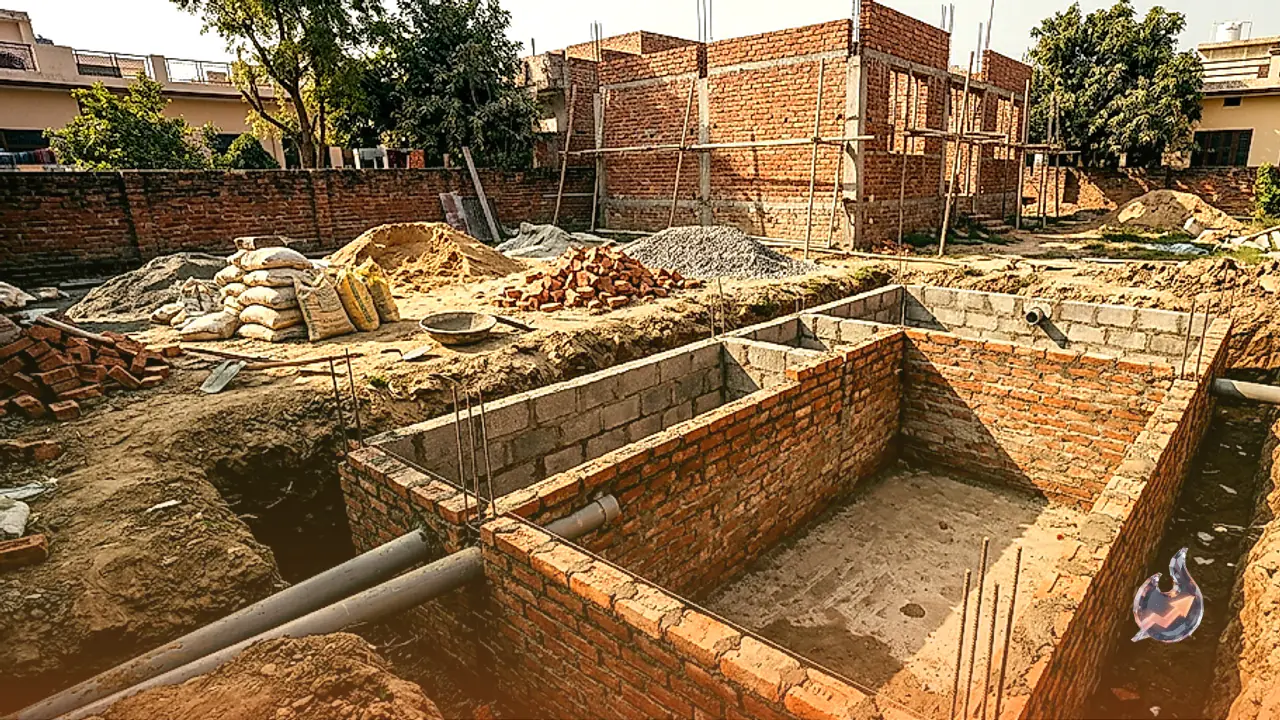
According to expert Yogesh Kumar, special attention must be paid to the depth and width while constructing a septic tank, ensuring it follows proper technical guidelines. Creating at least two separate chambers inside the tank is considered a much better practice. This design helps in systematically separating solid and liquid waste efficiently. The walls of the tank must be sturdy and waterproof so that wastewater does not seep into the surrounding soil and contaminate nearby water sources. Inferior construction materials should never be used for building it.
Ventilation and proper pipeline slope
Poor ventilation is among the primary reasons behind foul odors emanating from toilet pits and septic tanks. Therefore, installing an appropriate vent pipe in the tank is extremely essential. This pipe helps safely release accumulated gases out into the open air. A fine mesh should be fitted at its upper opening to prevent mosquitoes and other insects from entering inside. Furthermore, the toilet pipeline must maintain a proper downward slope so that waste and water can easily reach the tank without any blockages.
Arrangements for cleaning and proper drainage
Adequate provisions for cleaning must be kept in mind while building a septic tank. For this purpose, construct an inspection chamber and a secure cover so that the tank can be cleaned easily whenever required. Rainwater should not be allowed to accumulate around the tank, and proper drainage arrangements must be made for this. The cleaning of the tank should always be handled by trained personnel using machines. Never attempt to climb inside the tank yourself, as the presence of toxic gases can cause fatal accidents. Regular inspection and timely cleaning protect against overflow, foul smells, and hygiene issues.