























Known for their exceptional sweetness and delightful aroma across Bageshwar and various other regions in Uttarakhand, Kalmi mangoes are a seasonal favorite that many people eagerly anticipate. In commercial markets, these fruits are frequently subjected to harsh chemical agents such as calcium carbide to accelerate the ripening process for quick profits, which can pose serious health hazards over time. In contrast, letting these fruits ripen through natural methods preserves their vibrant color, authentic flavor, and rich fragrance while keeping their essential nutrients fully intact. With a little bit of care and proper handling, anyone can easily ripen these delicious fruits right at home without incurring any extra expenses, ensuring that the entire family enjoys completely safe and wholesome produce.
The process begins right after purchasing raw Kalmi mangoes by thoroughly washing them in clean water to remove dust, soil, and any surface impurities. Once washed, it is essential to dry the mangoes completely using a clean cotton cloth because leaving any moisture on the skin can increase the likelihood of fungal growth. Therefore, allowing them to dry entirely guarantees that they will ripen evenly, and any individual fruit showing signs of bruising or early decay should be promptly discarded so it does not spoil the healthy ones nearby.
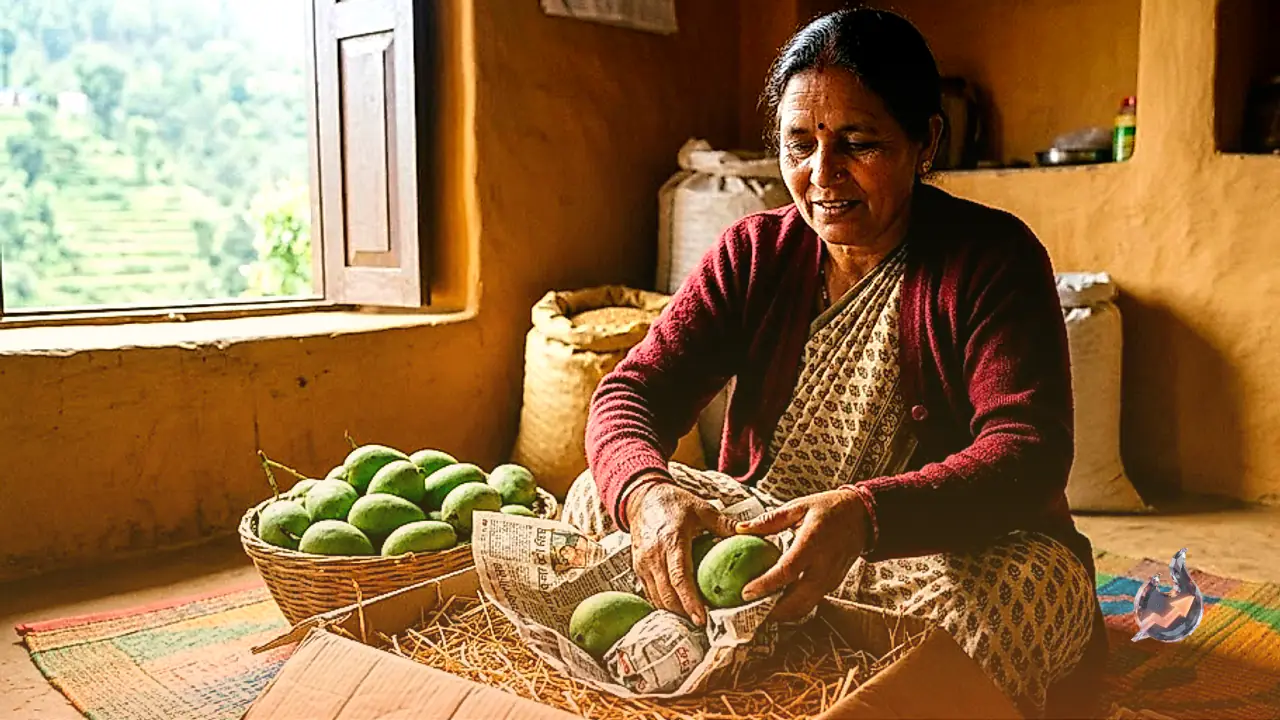
Wrapping every single mango individually in newspaper is widely regarded as the simplest and most effective way to encourage natural ripening. This technique traps the natural ethylene gas emitted by the fruit, which in turn accelerates the maturation process and ensures that all the mangoes ripen at approximately the same rate. While wrapping them, one must take care not to bind the paper too tightly as a loose wrap is more than sufficient, and plain paper can serve as an alternative if newspaper is unavailable, helping maintain the fruit's texture and overall quality.
After being wrapped in paper, the mangoes can be placed inside cardboard boxes, bamboo baskets, or even storage drums filled with wheat or rice, with an additional layer of cloth or newspaper spread across the top to maintain a balanced internal temperature. These containers should always be kept at normal room temperature and must never be stored inside refrigerators, air-conditioned rooms, or overly cold environments where the maturation rate slows down drastically. Exposing them to harsh direct sunlight can also ruin the fruits quickly, whereas maintaining the right ambient temperature usually yields excellent results within three to five days.
Anita Tamta, a local resident with good knowledge of the practice, points out that once the mangoes are placed inside their containers, they should not be completely forgotten and instead checked every second or third day. Any mangoes that begin turning yellow and feel slightly soft when pressed gently should be taken out immediately, and fully ripened fruits should not remain locked inside sealed boxes for too long. Removing damaged pieces right away safeguards the remaining batch, and routine inspections ensure that every single piece reaches the right stage of ripeness while retaining its superior taste.
In many commercial settings, accelerated artificial ripening using chemicals like calcium carbide remains common, resulting in mangoes that look appealingly yellow on the outside while remaining raw and hard on the inside. Such fruits generally lack the authentic natural sweetness and fragrance expected from quality produce, and consuming them regularly over extended periods can be detrimental to human health. Consequently, consumers are advised to purchase naturally ripened variants whenever possible or handle the ripening process independently at home to protect personal well-being without compromising on culinary satisfaction.
A perfectly ripened Kalmi mango typically turns a soft yellow or golden hue, emits a distinct natural fragrance, and yields slightly to gentle pressure from the fingers. Fruits that remain excessively firm are still raw, whereas those that feel extremely mushy might be overripe and nearing spoilage. Properly ripened pieces can be separated and kept at room temperature for another day or two, or placed inside a refrigerator to preserve their crisp freshness for a slightly longer duration.
Opting for natural ripening techniques ensures that Kalmi mangoes are not only delicious to eat but also offer tremendous nutritional benefits packed with vitamin A, vitamin C, dietary fiber, and essential antioxidants that strengthen the body's immune system. Consuming these seasonal fruits in moderate amounts during the summer months provides a steady boost of energy, and because naturally matured fruits possess juicier pulp and deeper sweetness, practicing a little patience yields a much more satisfying and healthy experience.