



















Every morning after brewing tea, the leftover leaves are routinely dumped straight into the garbage bin without a second thought. However, many people do not realize that this discarded tea residue can actually help enrich the soil for household potted plants by acting as an organic matter booster. Urban gardeners frequently look at this as a convenient household trick to nourish their greens. Even so, pouring tea leaves into every single plant pot indiscriminately is far from a correct practice.
While the organic compounds present in tea leaves can improve soil quality to some extent, improper application, using leaves loaded with milk and sugar, or applying them to the wrong types of plants can cause unexpected gardening troubles. Therefore, before treating your potted plants with kitchen waste, understanding the correct technique and knowing which plants actually benefit from it is essential.
Preparation Steps Before Adding to Pots
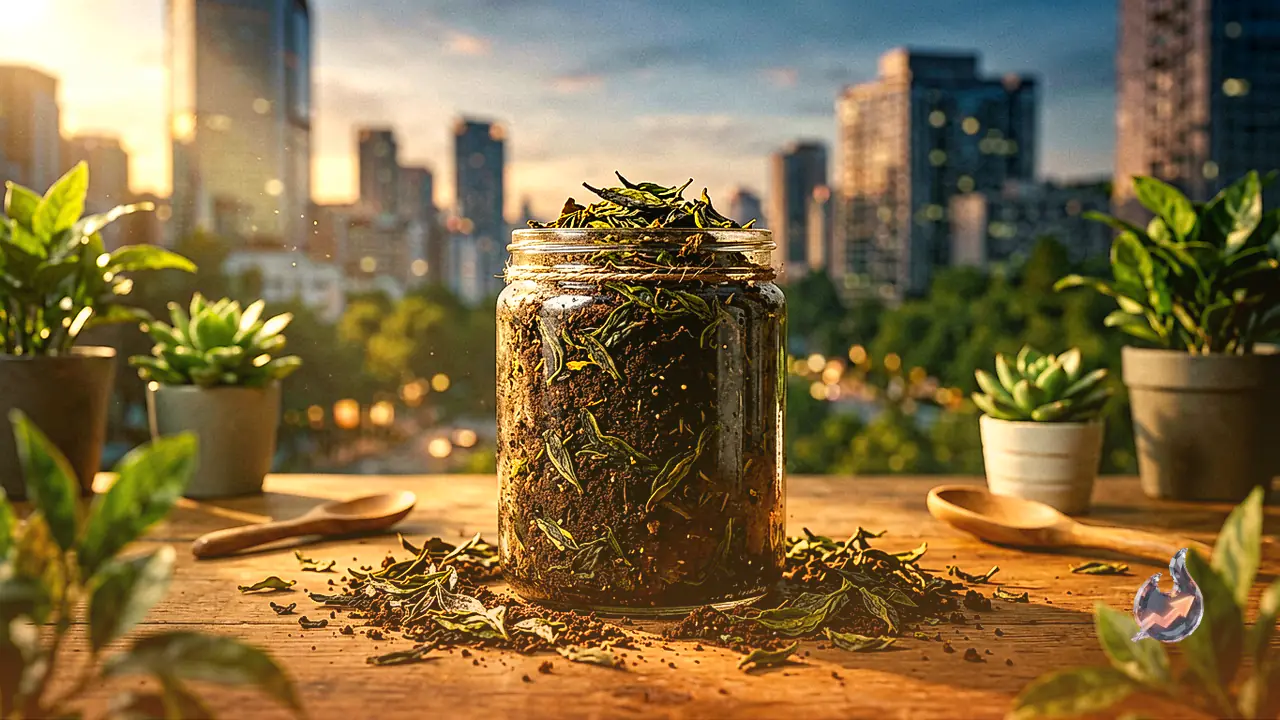
Before putting leftover tea leaves directly into any flowerpot, certain preparation steps must be followed. First, strain and separate the used leaves thoroughly. If the tea was brewed with milk, sugar, or spices, rinsing the leaves with clean water to wash away all residues is mandatory. Once washed, spread the tea leaves under the sun until they dry completely. Tossing damp tea leaves straight onto the soil surface can increase moisture levels excessively, inviting fungal growth or small pests. The dried leaves should then be mixed into the top layer of soil in very small quantities. There is no need to add them daily, as a tiny pinch once or twice a month is more than enough.
Which Plants Benefit Most From Used Tea Leaves
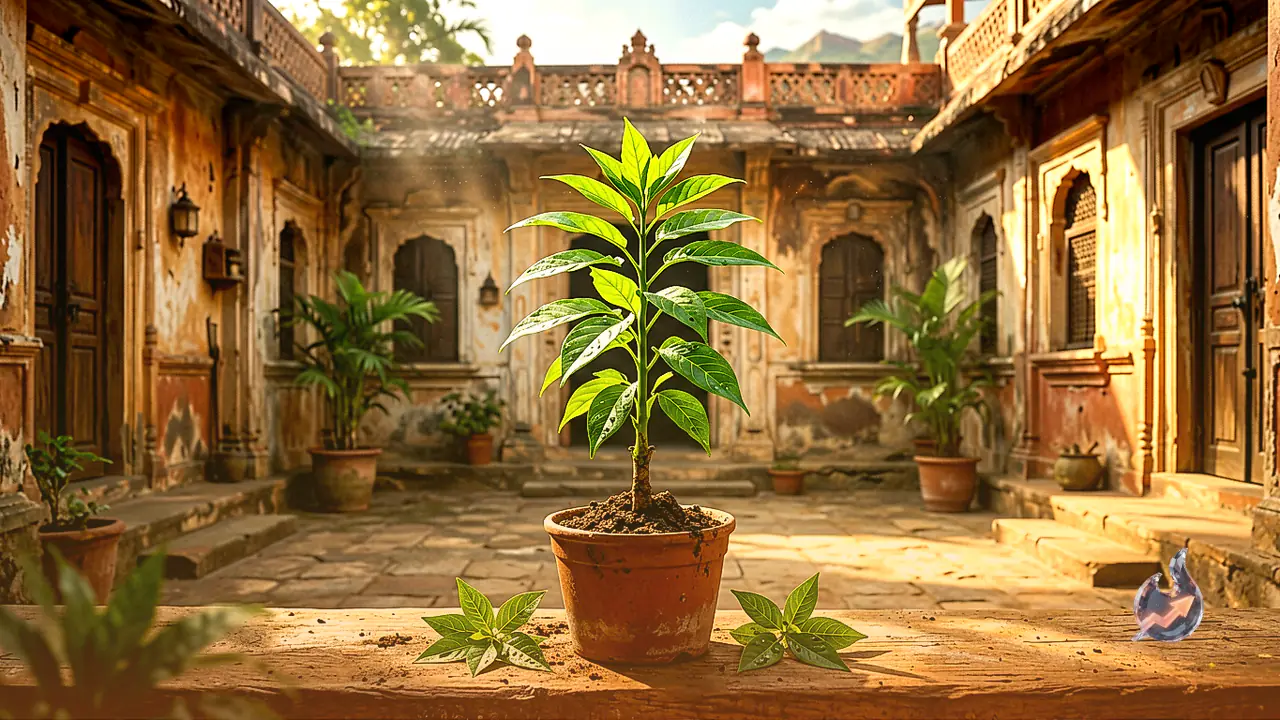
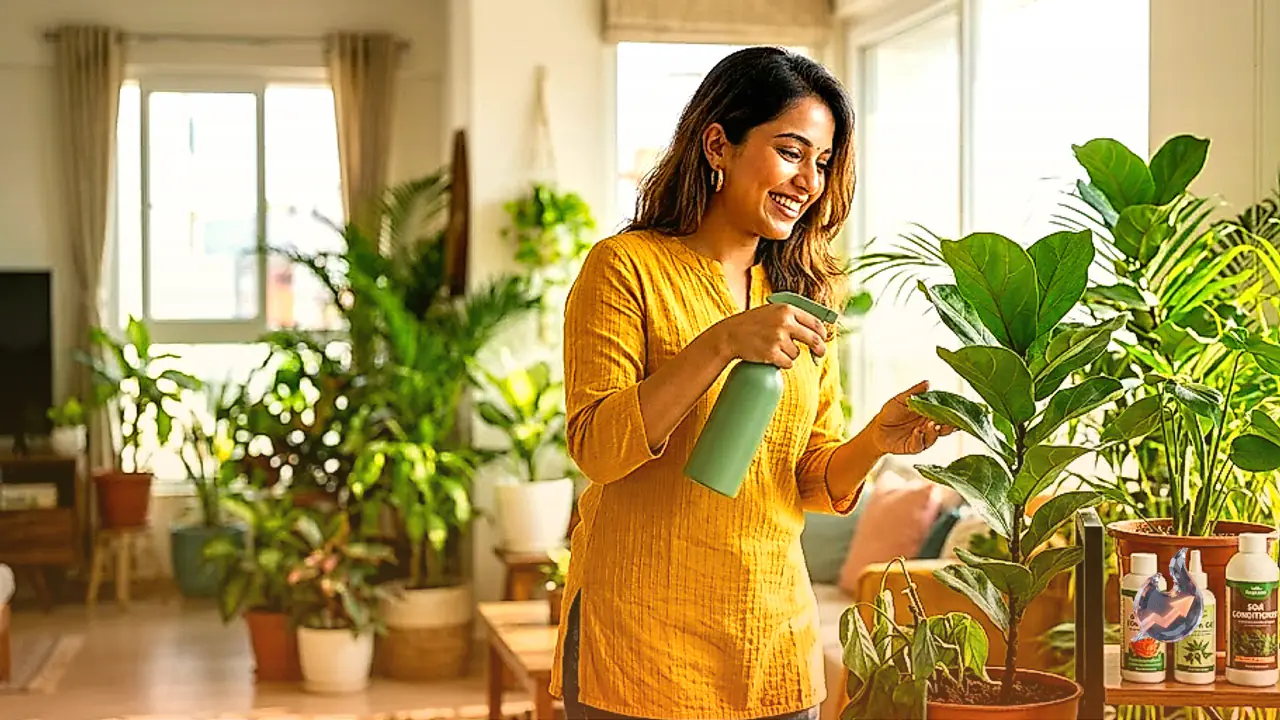
Several indoor and ornamental plants can tolerate limited amounts of this organic supplement. Greenery like money plants, roses, ferns, Tulsi, and various other garden varieties can accept a small amount mixed into their soil. The most crucial factor here is moderation. Tea leaves do not constitute a complete fertilizer and should never be viewed as a substitute for standard plant nutrients. Instead of mixing them directly into individual pots, adding them to an outdoor compost bin alongside other organic kitchen scraps is often a much safer approach.
Keep in mind that not every plant appreciates acidic or organic-heavy additives. Plants that require extremely well-draining soil do not react well to an accumulation of decaying organic matter in their pots. Always start with a minimal amount to see how the plant reacts. If the leftover leaves contain artificial flavorings, milk, or sugar and are dumped into the pot unwashed, it will inevitably lead to foul odors, mold, and insect infestations in the soil.
Monitoring Plant Health and Soil Condition
After introducing tea leaves to your containers, closely observe the condition of the soil and the plant itself. If you notice a white powdery layer forming on the soil surface, strange odors, or tiny crawling bugs, stop using this method immediately. Keeping potting soil excessively soggy or waterlogged can severely damage delicate plant roots over time.