






















Across the global corporate landscape, after-work gatherings have long been a popular way to unwind and foster camaraderie among colleagues. However, in Japan, sharing alcoholic drinks with workplace teammates and business clients is far more than a simple social hour; it is widely regarded as a fundamental test of an employee's loyalty to the organization. Known in Japanese corporate culture as Nomikai, this traditional drinking party has a direct influence on career progression, workplace relationships, and how workers are evaluated by senior management. What originally began as an informal avenue to break down office hierarchy has transformed into a deeply ingrained workplace obligation, one that employees ignore at their own professional peril.
What Is Nomikai and the Tradition of Izakaya?
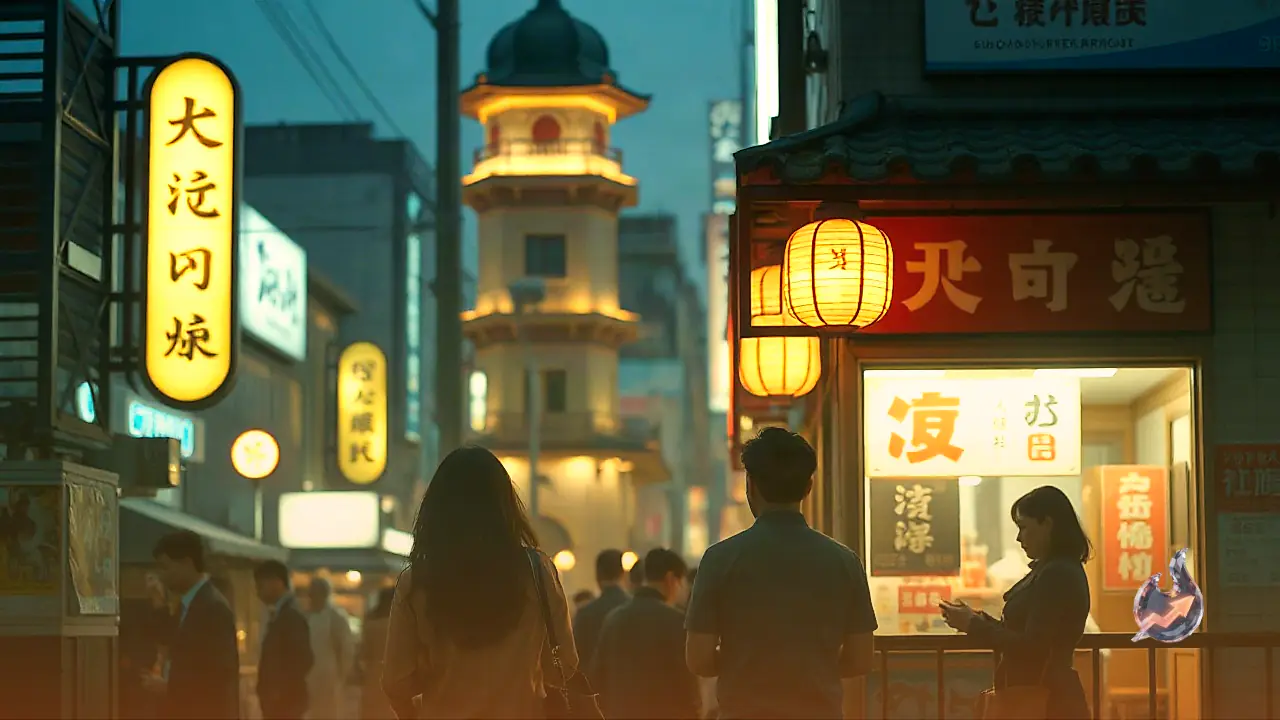
The term Nomikai is formed by combining two distinct Japanese words: "Nomi," which means drinking, and "Kai," which translates to a gathering or meeting. Literally translated, Nomikai means a "drinking gathering." In Japan, these events are not restricted solely to corporate environments. They are regularly organized across universities, schools, sports clubs, community associations, and various social groups. To accommodate this widespread drinking culture, Japanese cities feature specialized traditional pubs and eateries known as Izakaya.
Izakaya offer a relaxed and unpretentious setting designed to help patrons decompress after a demanding workday. These establishments primarily serve beer, Japan's iconic rice wine known as Sake, and a distilled liquor called Shochu, accompanied by small shared plates of traditional Japanese snacks. Whenever a company hires a new team member, transfers an employee, or completes a major project, hosting a Nomikai at an Izakaya is practically guaranteed. Participating in these gatherings is viewed as a tangible demonstration of commitment to the firm.
Strict Etiquette, the Kanpai Toast, and Loyalty Metrics
While a Nomikai may appear to be a casual evening out on the surface, it is governed by strict rules of Japanese etiquette and social hierarchy. The event officially commences with a collective toast of "Kanpai!," which is the Japanese equivalent of "Cheers!" Participants are expected not to sip their drinks until the group has formally toasted together, reinforcing the cultural emphasis on group harmony and collective unity.
Throughout the gathering, seating arrangements and drink-pouring protocols strictly reflect corporate rank. A cardinal rule of Nomikai etiquette is that no one ever fills their own glass. Junior employees bear the responsibility of constantly monitoring the glasses of their seniors and superiors, refilling them as soon as they run low. Conversely, senior executives pour drinks for subordinates as a sign of appreciation. To show proper respect, employees hold their glass with both hands when being poured a drink, and when clinking glasses, juniors ensure the rim of their glass remains slightly lower than that of their senior. This intricate protocol signals respect for authority and reinforces loyalty to the company.
Nommunication and Breaking Down Workplace Hierarchy
A central concept within Japanese work culture is "Nommunication," a portmanteau created by blending "Nomi" (drinking) and "Communication." Traditional Japanese society maintains a rigid hierarchical separation between seniors and juniors. In the formal, day-to-day office setting, junior workers often hesitate to express honest opinions, voice grievances, or present creative ideas directly to their managers.
Nommunication is designed to melt away these formal barriers. The relaxed atmosphere of an Izakaya, combined with the mild effects of alcohol, softens rigid workplace protocols. During these sessions, employees feel empowered to discuss workload challenges, personal concerns, and constructive feedback with executive leaders. Japanese management values this practice because it builds mutual trust and enhances team cohesion, creating a more harmonious working environment.
Career Risks and Stress for Non-Drinkers
Despite its intended benefits, Nomikai culture poses serious challenges for employees who choose not to consume alcohol or prefer to keep their personal lives separate from work. In many traditional Japanese firms, attendance at Nomikai is treated as an unwritten mandatory duty. Workers who decline invitations due to personal preferences, health reasons, or family commitments are frequently viewed as uncooperative or lacking dedication to the team.
This implicit pressure can severely impact professional advancement. Because major strategic decisions, team assignments, and promotion considerations often take shape informally during Nomikai discussions, non-participating workers risk being sidelined. In Japan's high-stress, long-hour work environment, Nomikai functions as a stress-relief valve for some, but for non-drinkers, it represents an inescapable and burdensome workplace expectation.
Gen Z's New Perspective and the Data Behind the Shift
The long-standing conventions of Japanese corporate drinking are now facing unprecedented resistance from Generation Z. Emphasizing work-life balance, mental well-being, and personal autonomy, younger workers are rejecting the notion that after-work drinking should be a compulsory professional duty. Today's young professionals in Japan are increasingly prioritizing health and personal finances over corporate socializing, openly questioning why employee loyalty must be measured in alcoholic drinks.
Recent statistics and demographic trends highlight a dramatic shift in behavior. Data indicates that over 60 percent of young Japanese adults aged 20 to 29 consume alcohol less than once a month. Furthermore, roughly 44 percent of young people in this age bracket abstain from alcohol entirely. This fundamental shift in consumer lifestyle is directly weakening the traditional foundation of Nomikai.
Workplace surveys further reveal that 62 percent of young employees view mandatory corporate drinking events as an unnecessary burden. Rather than abandoning social bonding altogether, Gen Z workers are actively redefining it. Younger employees favor non-alcoholic beverage choices, daytime coffee meetups, and skill-sharing or team-building sessions that carry no expectation of drinking. While traditional Japanese enterprises continue to view Nomikai as an essential tool for business relationships, the evolving preferences of the younger workforce are compelling organizations to adopt more flexible and inclusive social practices.