
























Honey is widely celebrated for its medicinal properties, daily health benefits, and critical role in boosting the body's immunity. However, with marketplaces increasingly flooded with synthetic syrups and adulterated alternatives, distinguishing genuine honey from fake products has become a significant challenge for consumers. Consuming fake honey can do more harm than good to your health, which makes it extremely important to be vigilant while making a purchase.
12 Years of Experience in Bee Keeping
To address this challenge, Ram Shankar Tiwari, a veteran bee keeper from Gonda who has been managing bee colonies for around 12 years, has shared practical insights on how to verify honey purity right in your kitchen. With his vast experience in apiculture, he has outlined simple and practical methods that anyone can perform at home to make sure they are bringing home only 100 percent pure honey.
The Water Test Method
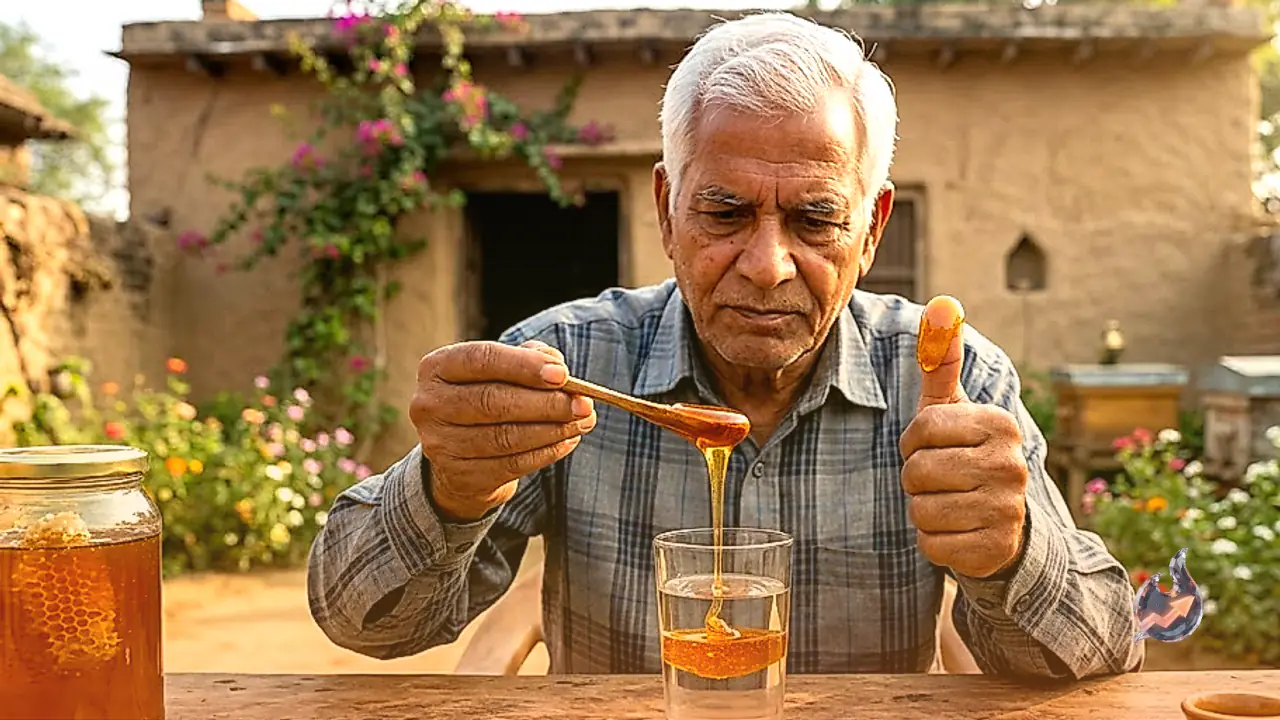
According to Tiwari, one of the most reliable and straightforward techniques is the water test. To conduct this test, take a clear glass of clean water and gently drop a small amount of honey into it. Pure honey possesses a dense structure, allowing it to cut through the water and settle directly at the very bottom of the glass in a solid lump. On the other hand, if the honey has been adulterated with sugar syrup or other additives, it will begin to dissolve rapidly or disperse throughout the water before reaching the bottom. Pure honey remains intact at the bottom until it is manually stirred with a spoon.
The Thumb Test Method
Another effective technique involves using your thumb to gauge the honey's viscosity, commonly referred to as the thumb test. Place a single drop of honey on your thumb. Genuine, high-quality honey is highly cohesive and thick, meaning it will stay in place without spreading or spilling immediately. Conversely, diluted or adulterated honey lacks this natural surface tension and will run or spread across your skin very quickly due to its high moisture or sugar syrup content.
Understanding Natural Aroma and Viscosity
True honey is naturally thick and carries a distinct, mild floral fragrance. Tiwari notes that if the honey is exceptionally runny or has an overwhelming, artificial sweetness reminiscent of pure sugar syrup, there is a very high probability that it is adulterated. Pure honey has a balanced sweetness that does not feel artificially intense or harsh on the throat.
How Flowers Influence Color and Flavor
Tiwari also explains that consumers should not judge honey quality solely based on its color. The appearance, taste, and aroma of natural honey depend entirely on the type of flowers from which the bees have gathered their nectar. For instance, honey sourced from jamun, mustard, tulsi, or karanj flowers will naturally exhibit distinct color variations, flavor notes, and smells. Therefore, a darker or lighter shade does not automatically indicate poor quality; it is simply a reflection of nature's diversity.
Smart Shopping Advice for Consumers
To avoid falling victim to fake products, Tiwari advises buyers to always purchase honey from reliable brands or directly from trusted local bee keepers. When buying packaged honey, always check the manufacturing date, expiration date, and quality certifications on the label. Finally, shoppers should remain cautious of excessively cheap honey, as lower pricing often indicates a higher likelihood of synthetic additives or sugar dilution. Prioritizing quality over price is key to securing health benefits.