























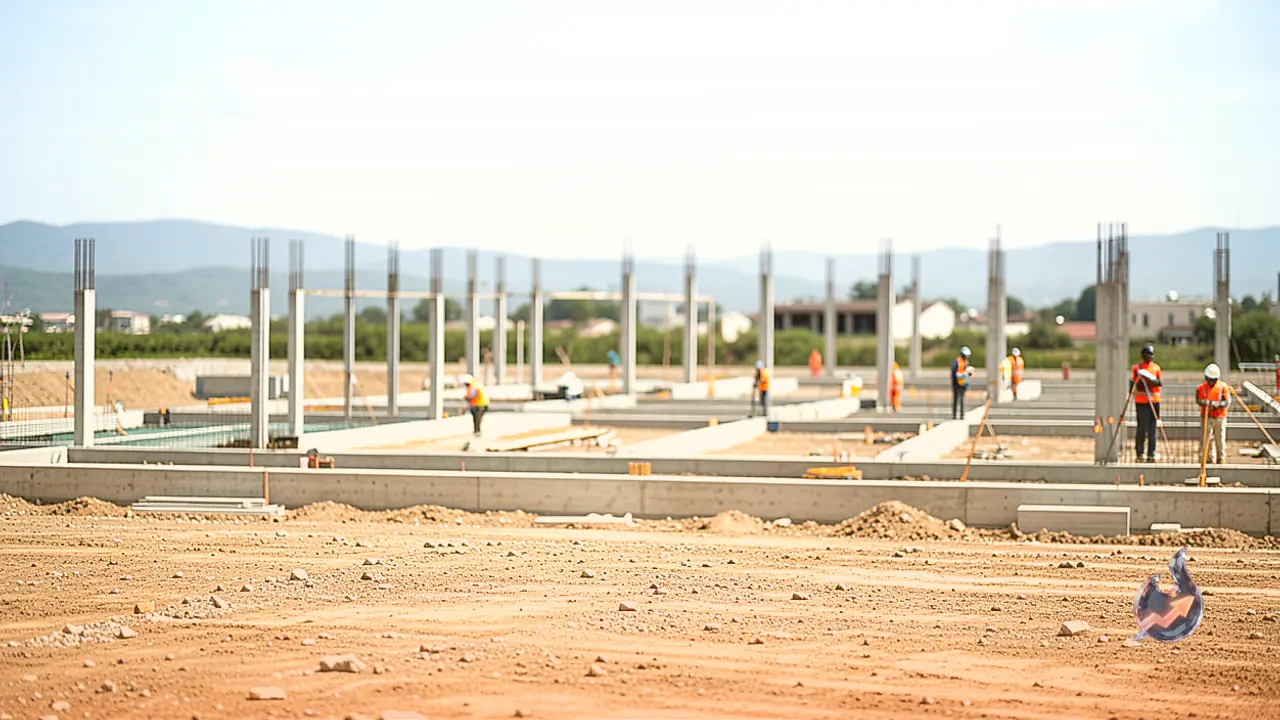

Investing lifetime savings into building a dream home represents a monumental financial milestone for most families. Beyond aesthetic appeal, homeowners prioritize structural longevity and solid foundations to safeguard their families for generations. However, construction journeys often derail due to improper raw material selection, substandard workmanship, and casual oversights, leading to structural defects and severe budget overruns. Establishing disciplined planning, securing premium materials, and hiring seasoned tradespeople remain the most effective ways to maintain financial control while building a resilient property.
Setting Financial Boundaries and Securing Architectural Plans
Establishing an explicit budget before breaking ground forms the bedrock of any successful building project. If the plot of land is already owned, immediate focus can shift toward structural layout and design. When land must be procured first, allocating funds specifically for acquisition prevents depleting capital earmarked for physical construction. Engaging a qualified architect or civil engineer ensures a well-optimized blueprint. Estimating upfront costs for raw materials, ongoing labor expenses, and finishing details eliminates mid-project financial bottlenecks.
Formalizing Written Agreements with Contractors
Construction expert Devendra Nath Tiwari explains that securing blueprints from a skilled architect or civil engineer guarantees visual appeal and structural practicality. Once design plans are finalized, labor negotiations and contractor conditions demand rigorous scrutiny. When employing a contractor, documenting total construction costs, delivery milestones, and payment schedules in a formal contract is essential. Clear contractual parameters prevent interpersonal disputes and protect homeowners from unexpected financial claims down the line.
Selecting High-Grade Bricks, Cement, and Steel Reinforcements
Structural integrity depends fundamentally on the durability of the primary materials embedded in the building frame. Builders must insist on first-class grade-one bricks for masonry work, as sub-par bricks compromise wall stability over time. Cement and rebar selections must follow technical guidelines provided by engineers. Devendra Nath Tiwari points out ACC and UltraTech cement for solid construction, adding that Prism cement can serve well in joint masonry. For reinforcing structural members, TMT bars are recommended, highlighting prominent brands such as Kamdhenu, Jindal, and Tata.
Choosing the Correct Sand Grades for Masonry, Plaster, and Filling
Different phases of civil work require specific grades of sand to guarantee bonding strength. Super medium sand delivers optimal adherence during bricklaying and masonry joints, whereas fine sand sourced from the Sone River is considered best suited for smooth plastering. Conversely, backfilling sub-surface foundations permits the use of Ganges sand paired with secondary-grade bricks. Local construction standards and engineering guidelines should always dictate specific sand purchases on site.
Relying on Skilled Tradespeople and Conducting Daily Inspections
Skilled labor remains just as decisive as high-quality materials when shaping a durable house. Experienced masons and site workers execute tasks with precision while cutting material wastage, directly curbing unnecessary expenditures and meeting construction deadlines. Even when a turnkey contractor oversees site operations, regular personal inspections by the owner ensure materials meet agreed standards. Diligent monitoring catches execution errors early, securing a structurally sound home within budget.