






















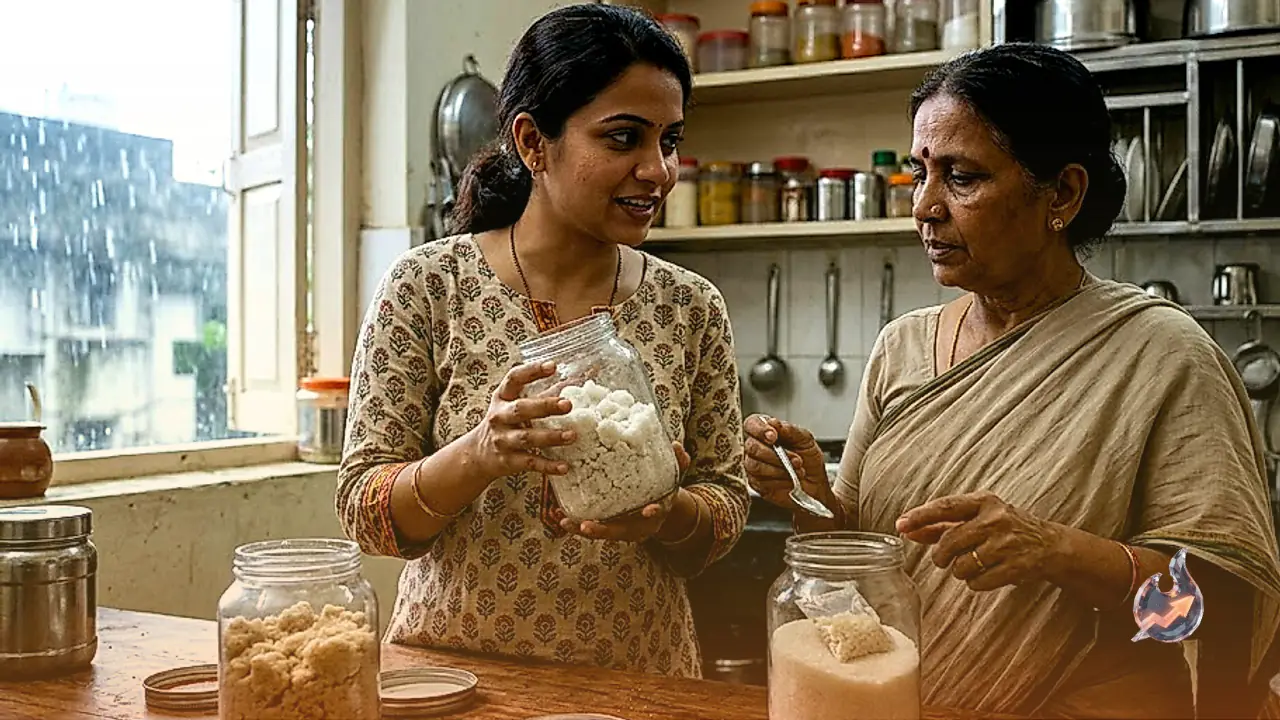

The monsoon may cool things down outside, but inside the kitchen it creates a fresh headache, salt and sugar containers turning damp and lumpy. Rising humidity in the air makes the two stick together into hard clumps, and sometimes they even start giving off an odd smell strong enough to make people want to throw the whole batch out. It might sound like a small inconvenience, but for anyone cooking daily it becomes a genuine hassle. The good news is that a few straightforward kitchen habits can prevent most of this trouble.
Stick to Airtight Containers and Dry Spoons
The first and most important step is storing salt and sugar in good-quality airtight containers. This keeps outside moisture from seeping in, so both stay dry for much longer. Closing the lid properly every single time after use matters just as much. A common mistake many people make is scooping salt or sugar out with a wet or slightly damp spoon, which introduces moisture straight into the container and makes the sealing problem worse. A completely dry spoon should be used at all times.
The Old Trick With Cloves and Rajma
An old household method to keep moisture away from salt and sugar containers involves cloves. Simply dropping a few cloves into the container helps keep dampness largely at bay. Rajma, or kidney beans, work in a similar way. Tying a handful of rajma in a piece of muslin cloth and placing it inside the salt and sugar containers keeps both dry through the entire monsoon season.
Raw Rice Grains Are the Simplest Fix
This kitchen trick is fairly well known and used in most households already. Dropping a few raw rice grains into the salt container helps prevent dampness because rice absorbs the extra moisture, keeping the salt from turning wet quickly. The one condition is that the rice used must be clean and completely dry, otherwise it can end up doing more harm than good.
Where You Keep the Containers Matters Too
As far as possible, salt and sugar containers should be kept away from the gas stove, the sink, or any spot exposed to steam. Good ventilation in the kitchen keeps overall humidity lower, which also helps other food items stay safe for longer. If salt or sugar does pick up a little dampness, once the weather clears they can be spread out briefly in mild sunlight to let the extra moisture escape. After that, they should be cooled down completely before being refilled into airtight containers.
Using Silica Gel and Moisture Absorbers
Some people also keep food-safe moisture absorbers near their salt and sugar containers. If a silica gel pack is being used, it should never come into direct contact with the salt or sugar itself. It is also worth making sure that whatever pack is used is designed and packaged safely for use around food items.
A Few More Precautions to Follow
During the monsoon, it is best to avoid scooping out more salt or sugar than needed and leaving it exposed in the open. Containers should be cleaned and dried thoroughly every so often before being refilled. If a particular container keeps developing dampness again and again despite these steps, replacing it altogether is the more practical option, since a faulty container will keep causing the same problem repeatedly.