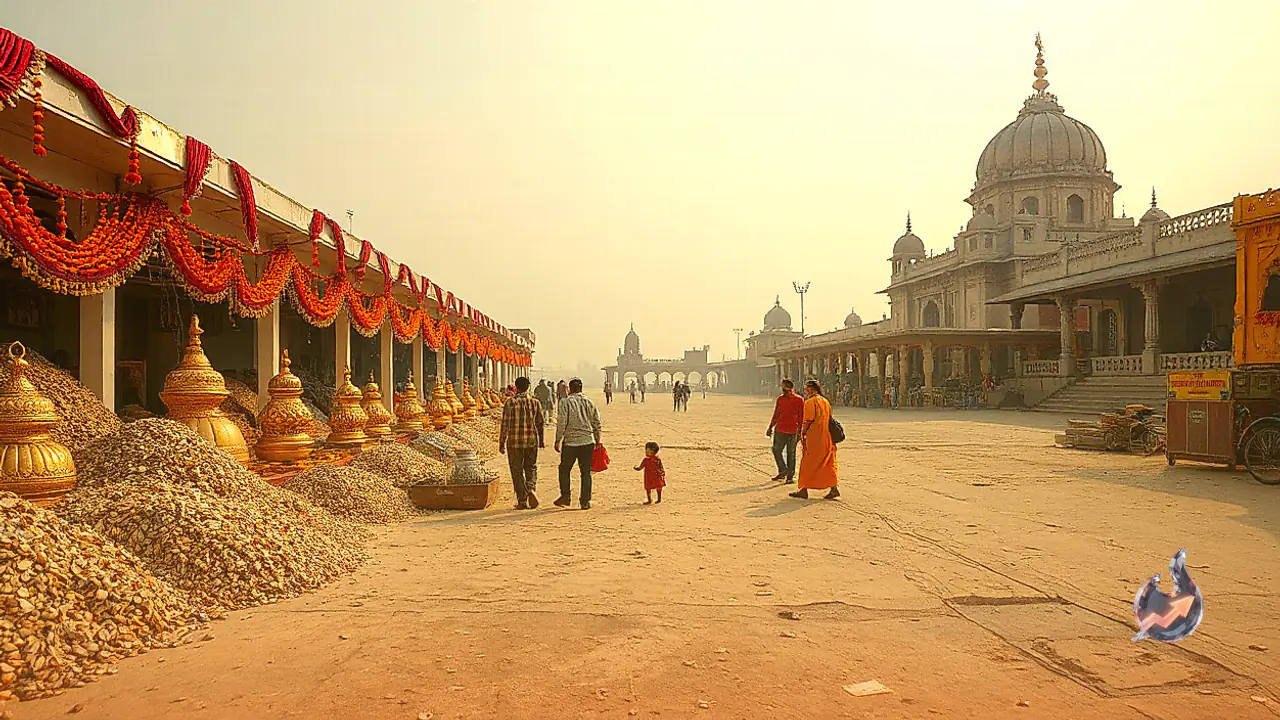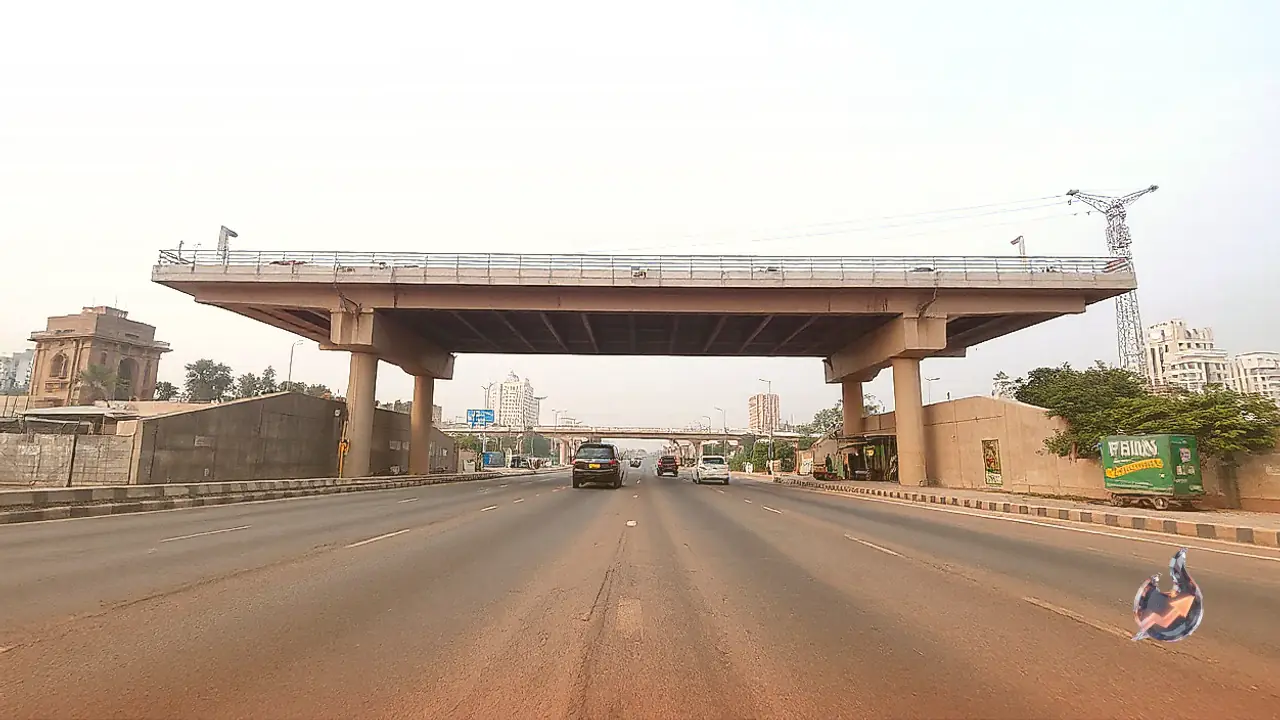


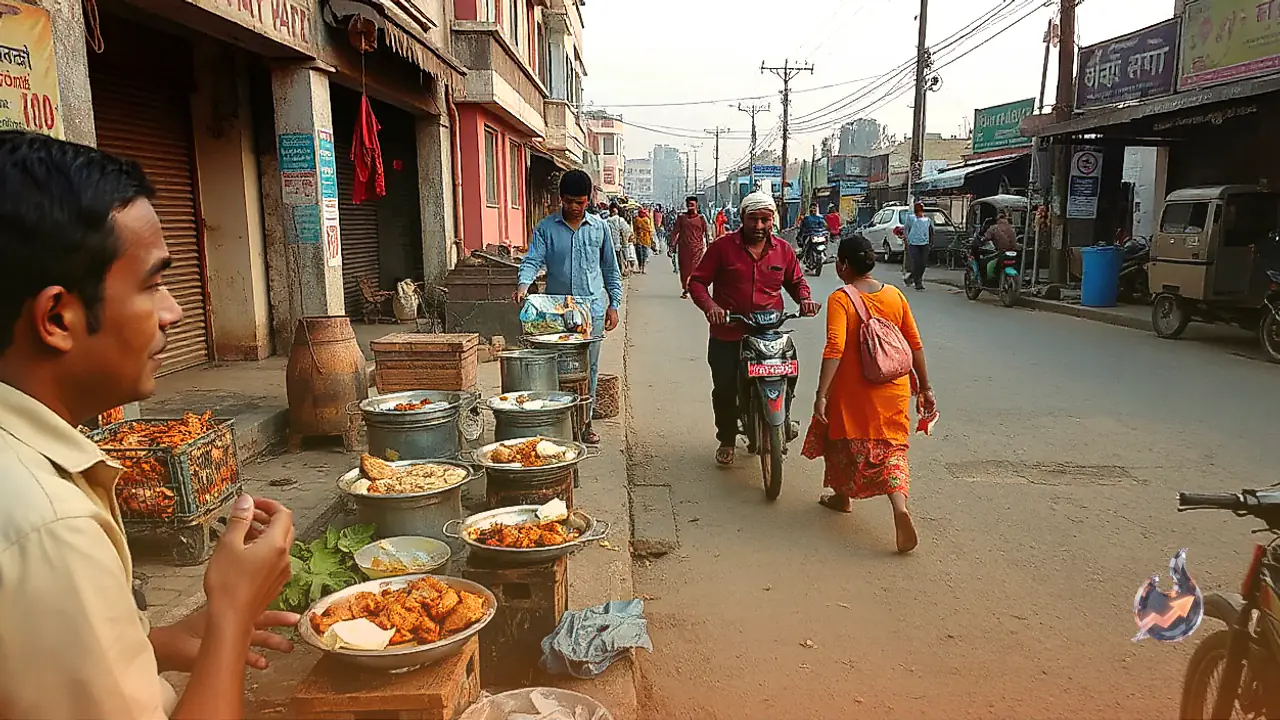
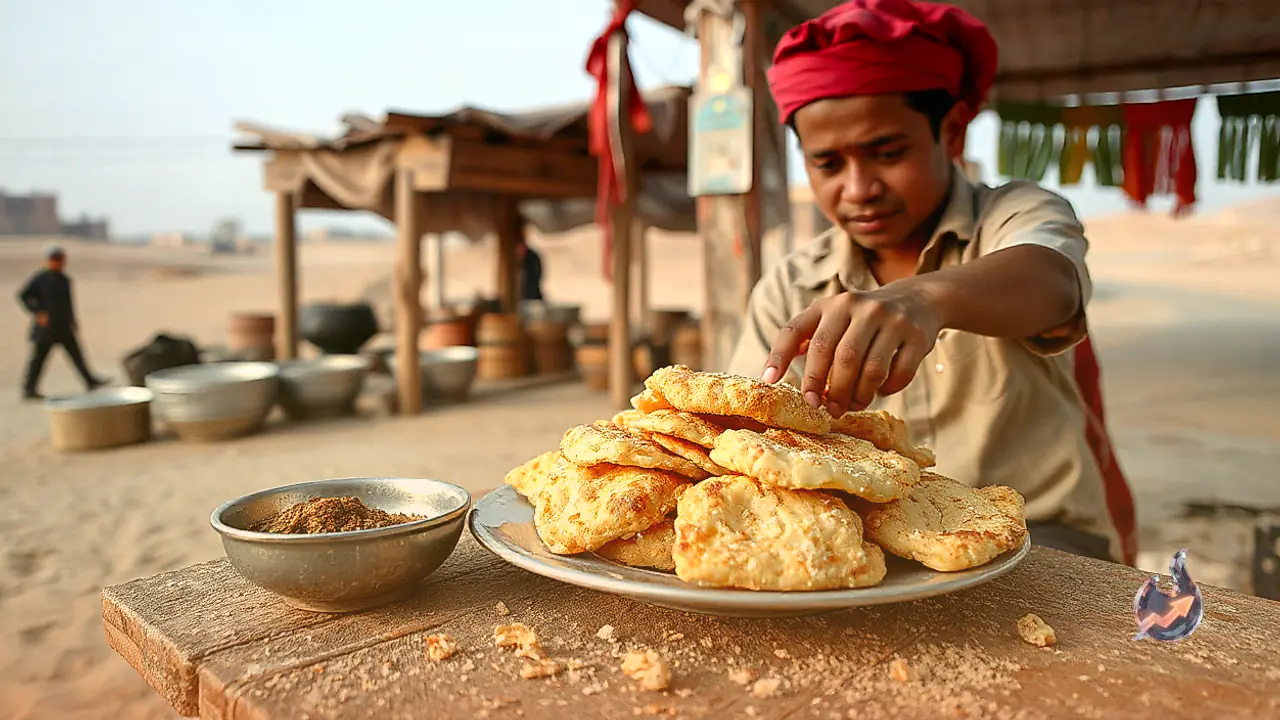















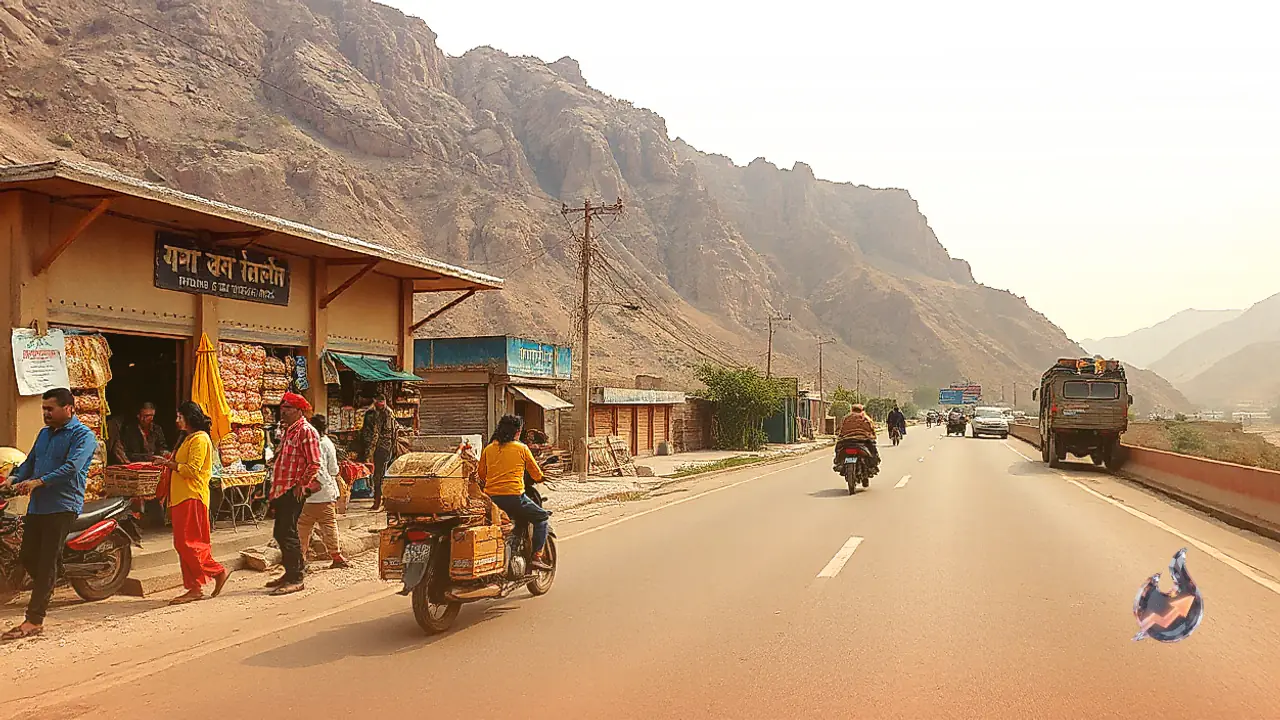

Travelers passing through Rajasthan's Karauli district are currently encountering a remarkable roadside sight along National Highway-23. Balanced atop pushcarts on the highway shoulder sits an enormous, mountain-shaped confection known as Panchmewa. Rooted in a three-decade-old culinary craft, this traditional sweet is being presented to highway commuters by visiting vendors from Uttar Pradesh. Rather than setting up in crowded commercial markets or standard sweet shops, these artisans set up right along the national highway network, catching the eyes of drivers and long-distance travelers with their towering edible structures.
Vendors Set Up Stalls Along National Highway-23
Around 9 to 10 vendors from Uttar Pradesh have been stationed along the highway in Karauli for roughly a week, each operating from an independent pushcart. Drivers navigating the stretch regularly pull over out of curiosity upon spotting the massive mound of sweets glistening by the roadside. While some travelers halt simply to inspect the unusual presentation and ask how it is crafted, many purchase portions to enjoy during their journeys or take home. Setting up directly in the path of vehicular traffic has turned into an effective way to showcase an unconventional dessert.
A Traditional Blend of Nuts, Semolina, and Spices
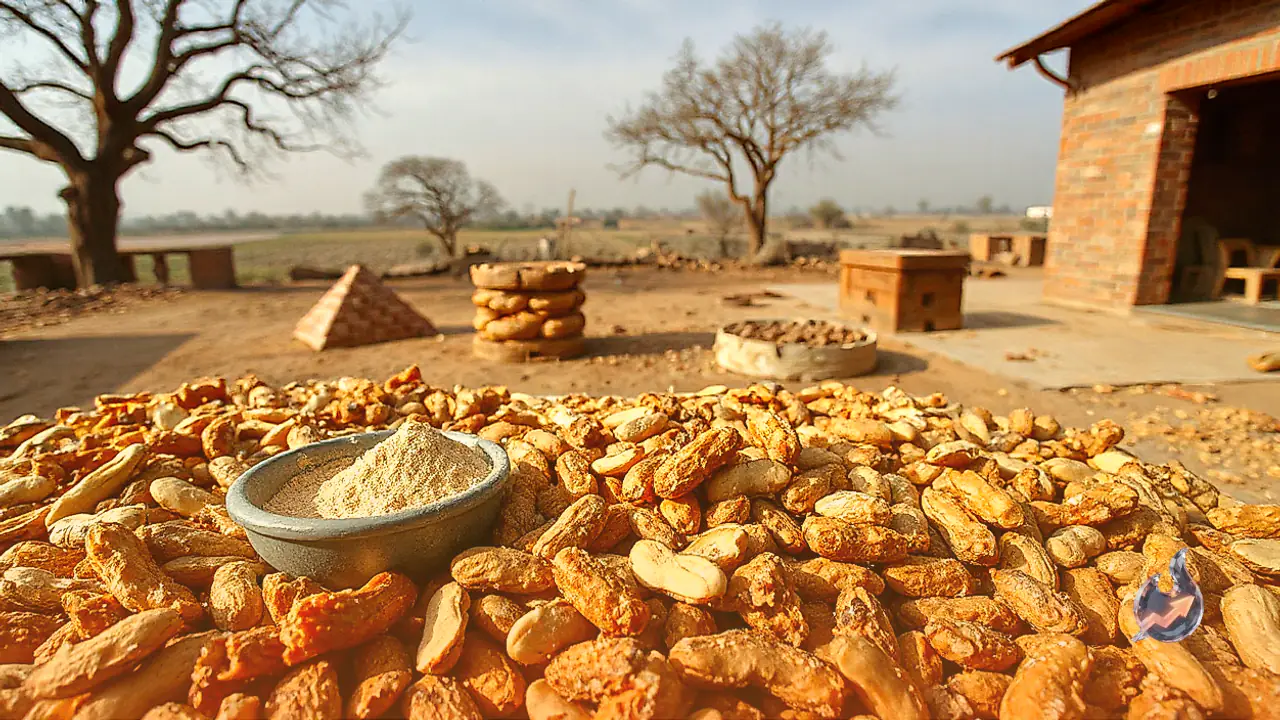
The distinctive character of Panchmewa lies in its rich recipe and slow cooking technique. Rajiv Singh, an artisan from Sajanpur in Uttar Pradesh who has been selling the sweet for around 10 years, explains that the preparation relies on a wholesome mix of nuts and pantry staples. Key ingredients include desiccated coconut, dry dates, cardamom, almonds, raisins, cherries, and peanuts, all combined with semolina and sugar. These items are cooked together using time-honored methods to create a dense, flavorful blend that is subsequently shaped into its signature colossal heap.
Preparation Takes Up to Three Days
Producing a single batch of this towering delicacy requires substantial patience and labor. According to Rajiv Singh, completing the preparation takes between two and three days. He notes that the flavor profile and recipe reflect a culinary heritage dating back 20 to 30 years. Balancing the rich components and molding them into a firm, mountain-like form without losing texture requires specialized handling. This imposing physical appearance remains its standout characteristic, setting it entirely apart from factory-made or shop-counter sweets.
The Highway Sales Strategy
Taking the delicacy directly to highway commuters forms the core of the vendors' livelihood. Vendor Akhilesh Singh explains that their distribution style is intentionally different from standard confectionery outlets. Instead of renting fixed shops, the group travels across various parts of the country, setting up temporary stalls along national highways. Highway travelers seeking a quick refreshment naturally slow down when they spot the massive structure, stepping out to learn more about the dish. Akhilesh Singh notes that this inherent curiosity is their primary sales driver. Across approximately 10 active pushcarts along National Highway-23 in Karauli, the combination of traditional dry-fruit ingredients and scenic roadside vending continues to draw steady interest from locals and transit passengers alike.