



















When everyday meals begin to feel monotonous and regular seasonal greens lose their appeal, turning to regional culinary techniques can effortlessly transform ordinary kitchen produce into something extraordinary. In the Baghelkhand region of Madhya Pradesh, sponge gourd, locally known as reruya or gilki, is given a rustic makeover through a traditional preparation called reruya bharta. While watery or curried preparations of this gourd frequently face resistance at the dining table, roasting it directly over an open flame completely changes its character, infusing it with a rich, smoky taste. Satna resident Meena Dwivedi shared this straightforward and traditional recipe, highlighting how effortlessly it can be prepared within minutes using minimal ingredients and very little effort.
The Cultural Significance of Reruya in Village Cooking
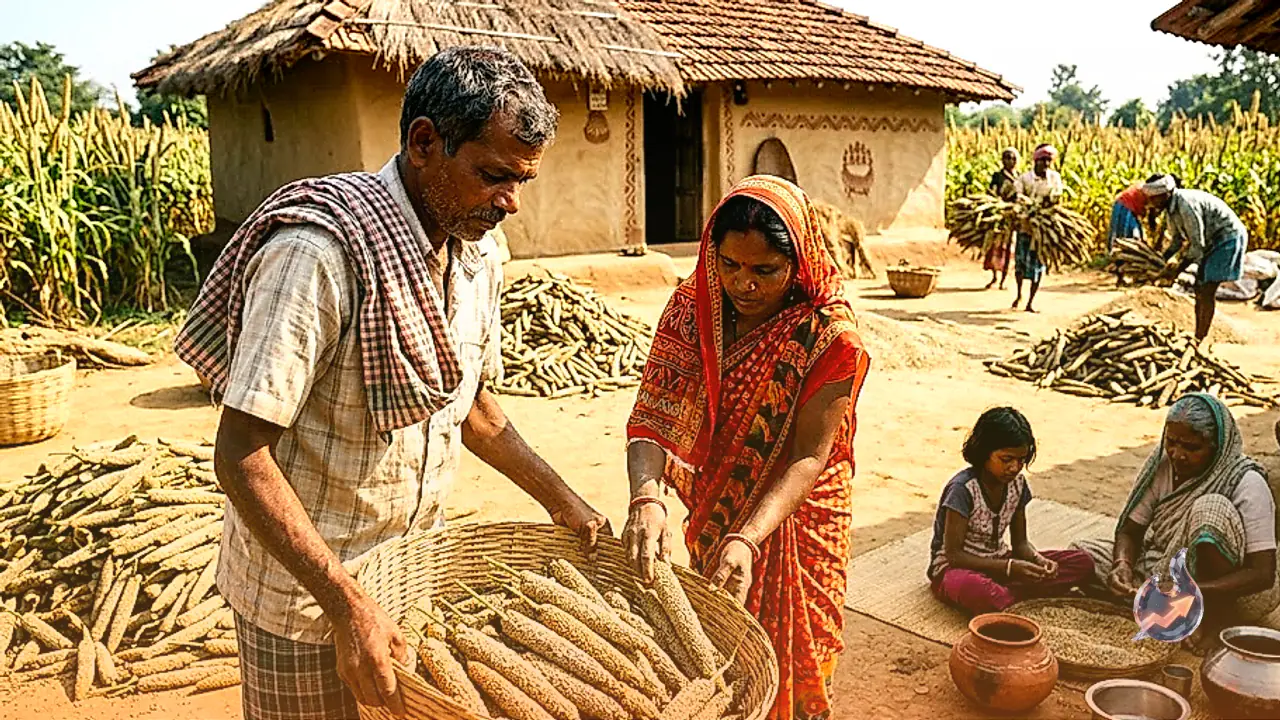
Across the rural belt of Baghelkhand and the broader Vindhya expanse, reruya is a familiar domestic vegetable, known elsewhere across the country as gilki or torai. Vines of this tender gourd flourish abundantly along the boundary fences of village farmlands and domestic kitchen gardens. Indigenous home cooks have long utilized the harvest across a range of culinary preparations, refusing to restrict it to mundane daily gravies. Regional households frequently prepare it as stuffed kalonji or mash it into a coarse bharta because simple boiled preparations are not universally favored. This age-old method of flame-roasting and mashing breathes new life into the vegetable, turning a humble gourd into an aromatic, easy-to-digest delicacy that appeals across age groups.
The Initial Step of Roasting the Gourd with Embedded Garlic
Crafting this rustic mash begins with selecting fresh, tender reruya that is thoroughly rinsed and dried. Regional cooks then apply a clever traditional technique: whole, peeled garlic cloves are firmly inserted into small incisions made all over the gourd. As the vegetable roasts, the embedded garlic softens gradually within its flesh, infusing the moisture of the gourd with a robust aroma and sweetness. The prepared gourd is then laid directly over firewood embers or an open gas stove burner. It must be turned patiently until the outer skin chars evenly and the inner pulp cooks down to complete tenderness. This direct contact with fire creates an authentic smoky essence that defines traditional Baghelkhandi cooking.
Peeling and Hand-Mashing with Essential Spices
Once the reruya is uniformly charred and fully tender, it is removed from the heat source and set aside briefly to cool down. After the temperature drops, the blackened outer skin is peeled away gently, revealing the tender, steam-cooked flesh underneath. The roasted gourd, along with the tender roasted garlic cloves housed inside it, is then transferred to a broad mixing vessel. Freshly chopped green chilies, plain salt to taste, and a generous fistful of chopped green coriander leaves are introduced to the bowl. Rather than resorting to food processors, blenders, or metallic ladles, traditional cooks strongly advocate mashing the mixture thoroughly by hand. Hand-mashing ensures that the softened garlic cloves and charred vegetable fibers blend seamlessly without losing their rustic, coarse texture.
Enhancing the Tang with Flame-Roasted Tomatoes
For diners who appreciate an extra layer of zest and mild tanginess, the preparation readily accommodates a flame-roasted tomato. To incorporate this variation, an entire tomato is roasted on the open burner until its skin wrinkles and blisters. Once cooled, its skin is peeled away, and the soft pulp is crushed directly into the gourd mash. While this tomato addition introduces a tart contrast, Meena Dwivedi emphasizes that the elemental version containing strictly reruya, garlic, salt, and chilies possesses an equally satisfying, earthy profile on its own. This flexibility allows home cooks to construct a wholesome regional specialty out of basic pantry staples, creating a dish that draws enthusiasm from both children and adults alike.
Traditional Rustic Recipes Finding Favor in Modern Homes
This heritage preparation from Baghelkhand is celebrated not merely for its distinct flavor profile, but also as an exceptionally clean and healthy way to consume dietary fiber. Because the preparation requires zero oil and relies on natural roasting rather than heavy tempering or deep-frying, it preserves the intrinsic nutrients of the vegetable. Consequently, the appeal of this village-born dish is transcending regional borders and earning appreciation in urban households seeking wholesome, comforting food. Whenever daily cooking demands a quick, oil-free break from heavily spiced dishes, roasting a simple reruya provides a swift pathway to bringing genuine Baghelkhandi heritage directly to the dinner plate.