


















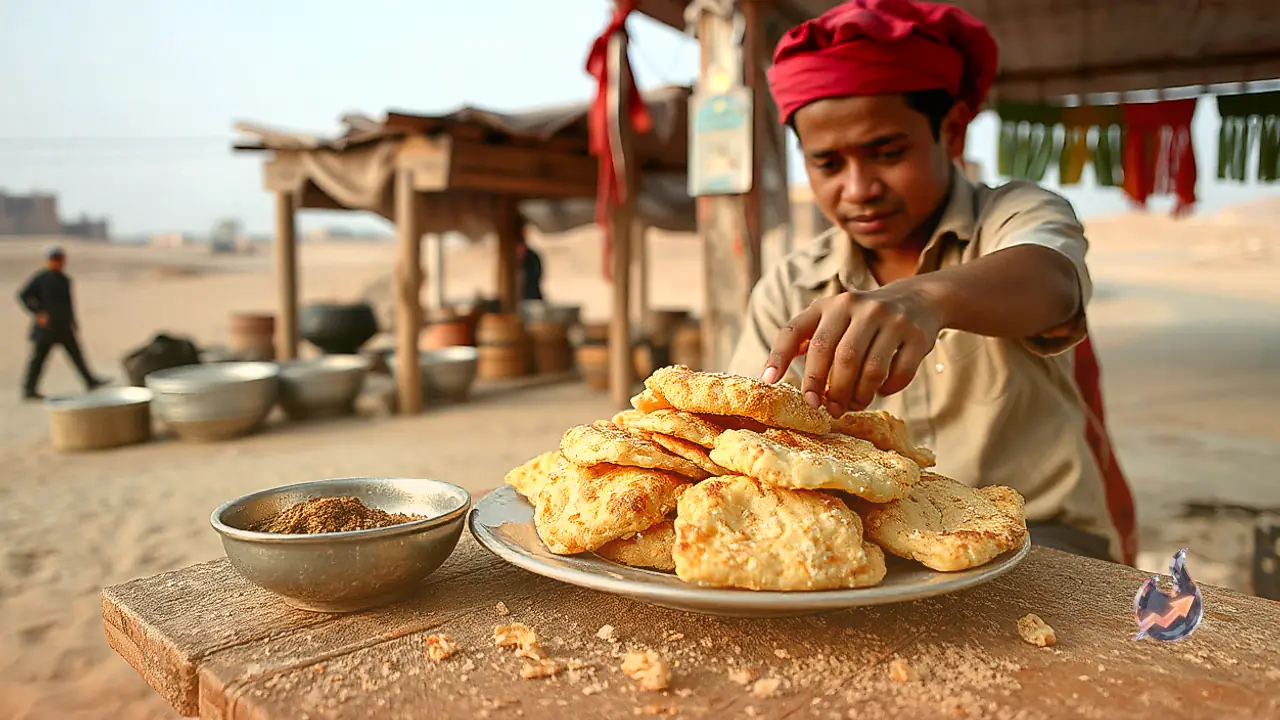

The arrival of Diwali brings the warmth of festive traditions and the comforting aroma of freshly prepared snacks in Indian households. Welcoming visiting friends and family with homemade sweet delicacies remains a cornerstone of the festive spirit. For hosts aiming to serve a treat that is both enduring and delicious, traditional shakkarpara stands out as an unmatched festive favourite. Its pleasant sweetness and satisfying texture make it popular across all generations.
The Secret Behind Flaky Festive Texture
A frequent challenge encountered when preparing this snack at home is achieving the airy, multi-layered texture typical of professional sweet shops. Many home preparations end up either overly dense or unpleasantly hard. The difference lies entirely in the dough handling method and the careful assembly of the binding liquid. By adopting a gentle approach rather than heavy-handed mixing, it is entirely possible to craft pieces that boast delicate layers and dissolve effortlessly on the palate.
Preparing the Sweet Binding Mixture
The foundation of this recipe relies on combining milk, sugar, and clarified butter in a saucepan over low heat. The objective during this initial stage is purely to dissolve the granulated sugar completely into the liquid without allowing the mixture to reach a boil. Keeping the liquid lukewarm ensures that the fat blends evenly without cooking the flour prematurely. A pinch of ground cardamom is stirred into this warm blend to infuse an enticing aromatic depth throughout the entire batch.
Crucial Dough Handling Guidelines
Once the sweet mixture is lukewarm, it is introduced into refined flour gradually rather than poured in all at once. Adding it in small portions prevents the flour from turning excessively wet. The defining rule of this entire preparation is to avoid kneading the dough in the traditional manner. One must simply bring the ingredients together until they cohere, immediately stopping before excessive gluten develops. If any surplus milk mixture remains after the dough holds together, it should simply be set aside.
Shaping Without Resting the Dough
Unlike many traditional pastries that demand extended resting periods, this dough is ready for immediate shaping. It is rolled out to a generous thickness on a flat surface, as rolling it too thin suppresses the development of distinctive flakes during cooking. A knife is then used to cut the rolled sheet into neat square portions according to personal preference. Maintaining that initial thickness remains vital for allowing the inner layers to expand properly under heat.
Frying and Storing for Long Lasting Crunch
Cooking requires bringing cooking oil to a steady temperature over low to medium heat before gently sliding the pieces inside. A crucial precaution at this stage is to avoid touching the pieces with a slotted spoon right away, as disturbing fragile raw dough can cause it to disintegrate in the oil. Only after the pieces naturally float to the surface should they be turned gently until they acquire an even golden hue. Once drained and completely cooled on a wide plate, the crisp shakkarpara can be transferred into airtight containers for extended storage.