






















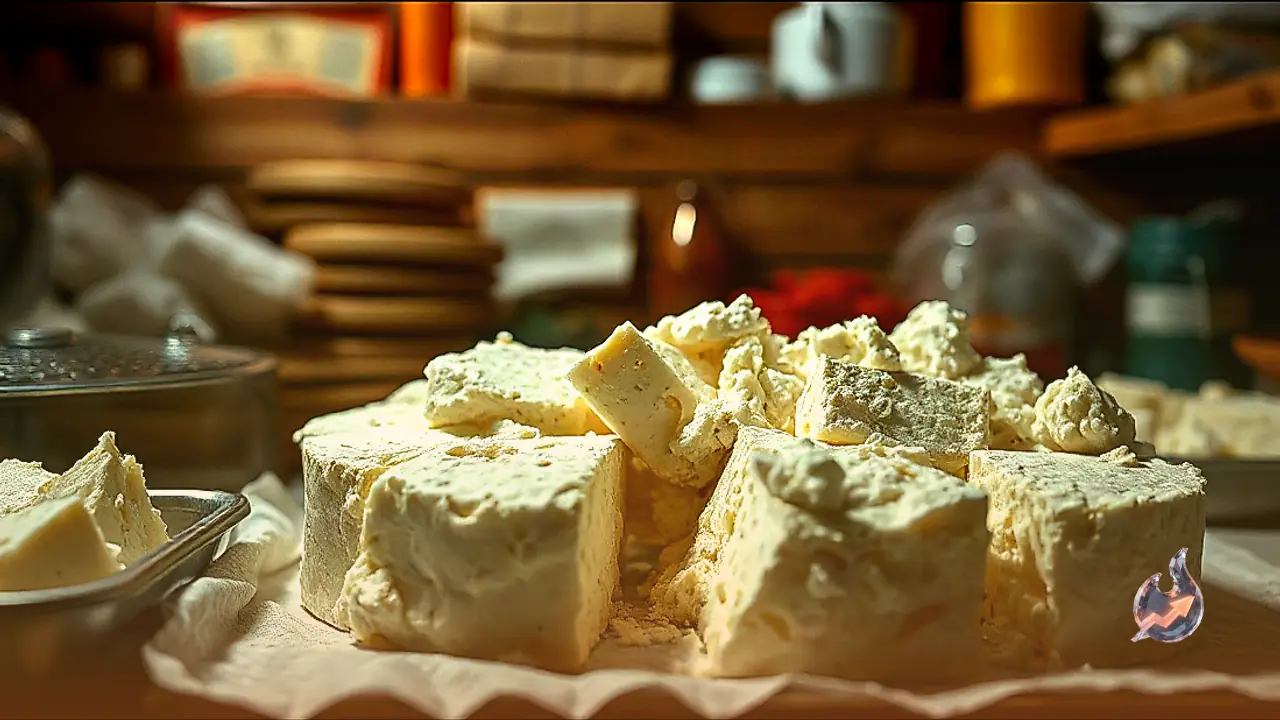

Paneer holds a central place in Indian dining, serving as the foundation for countless classic vegetarian preparations. Despite its widespread popularity, paneer remains one of the most perishable dairy items in the refrigerator, prone to rapid deterioration if left exposed to ambient air and temperature variations. Without proper handling, it quickly turns tough, dries out along the edges, and develops an unpalatable sourness. By adopting a few structured and systematic storage practices, households can easily preserve both the rich taste and velvety softness of paneer across several days or even months.
Submerging in Fresh Cold Water
For immediate use over a span of two to three days, the most reliable preservation strategy is submerging the block fully in clean, chilled water. Place the paneer inside an airtight container, pour enough cold water to cover it entirely, and seal the lid tightly before refrigerating. This liquid barrier prevents surface dehydration, ensuring the dairy block does not dry out or develop a leathery crust. To achieve optimal hygiene and freshness, the soaking water must be drained and replaced with fresh water daily.
Relying on Sealed Airtight Containers
Leaving paneer uncovered on an open plate inside the refrigerator drastically accelerates spoilage. Unprotected dairy fat readily absorbs volatile food odours from surrounding dishes, which compromises the subtle milk aroma and original flavour profile of the cheese. Storing paneer exclusively inside high-grade, food-safe airtight containers seals out airborne contaminants and ambient refrigerator currents. This clean environment shields the delicate dairy solids, maintaining structural integrity and freshness over extended durations.
Freezing Small Portions for Long-Term Storage
When dealing with surplus amounts intended for consumption across multiple weeks or months, the deep freezer serves as the ideal storage environment. Rather than freezing an entire block in one piece, slice the paneer into convenient meal-sized cubes or sections. Wrap these pieces securely in food-grade plastic cling wrap or aluminium foil, then seal them inside an airtight freezer-grade bag. Prior to cooking, thaw the required portion naturally either inside the main refrigerator compartment or on the counter at room temperature.
Preserving with Lightly Salted Water
Storing the cheese in a mild brine solution provides an effective preservative barrier, an approach especially beneficial for delicate, homemade varieties. Introducing a modest quantity of salt into the soaking water helps suppress minor bacterial proliferation. This gentle preservative effect shields the curd from turning sour prematurely while preserving moisture throughout the storage period.
Reviving Hardened Blocks in Warm Water
Chilling frequently causes the fat and milk solids in paneer to contract, resulting in a dense and rubbery consistency. To restore its tender texture right before meal preparation, immerse the cold paneer block in lukewarm water for 10 to 15 minutes. The gentle warmth relaxes the curd matrix, effectively restoring the pliable, melt-in-the-mouth texture characteristic of freshly curdled cheese without breaking down its structure.
Identifying Spoilage Indicators and Purchasing Mindfully
Food safety remains paramount whenever handling fresh dairy products. If paneer emits a sharp sour odour, displays yellowish or greenish discolouration, or shows visible signs of surface mould, it must be discarded immediately without tasting. Consuming compromised dairy can lead to adverse gastrointestinal illness. The most practical preventive habit is mindful purchasing, acquiring only the quantity required for immediate cooking needs rather than accumulating surplus volume that risks spoilage.