






















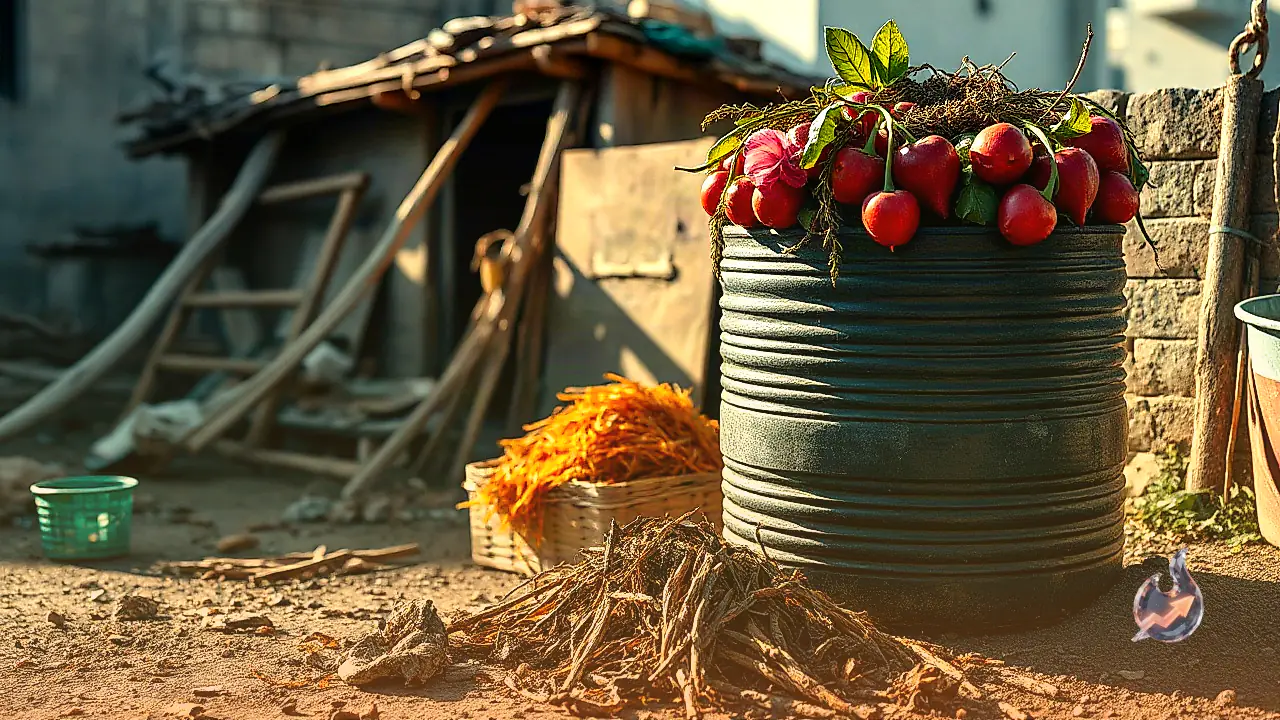

Following religious ceremonies, household rituals, and festive celebrations, families often accumulate substantial quantities of discarded floral garlands, sacred basil stems, banana foliage, and leftover fruit offerings. Finding an appropriate way to dispose of these sacred remnants poses a recurring challenge. Many households either immerse these organic materials into nearby rivers and streams or discard them directly into municipal trash bins. Both practices lead to severe ecological consequences: immersion contaminates local freshwater bodies with decomposing biological loads, while dumping in municipal landfills generates potent greenhouse gases under suffocating anaerobic conditions. Converting these sacred botanicals into premium homemade garden compost presents an environmentally conscious, restorative alternative.
The Ecological Need for Repurposing Floral Waste
Botanicals utilized in sacred ceremonies, including fresh marigolds, roses, sacred basil sprigs, banana leaves, and fresh fruit slices, represent pure organic matter largely free from synthetic chemical additives. When dumped into standard trash bins, they end up buried in landfills, accelerating urban pollution. Conversely, diverting this material into a household composting system enriches gardening soil with natural micronutrients while keeping degradable matter out of public waste streams. It represents a practical synthesis of cultural reverence and responsible environmental stewardship.
Sorting and Eliminating Non-Degradable Materials
Before launching the composting process, meticulous segregation of the gathered materials is essential. Set aside all fresh petals, foliage, stems, and leftover fruit pulp into a separate sorting tray. During this step, completely eliminate non-biodegradable items that frequently accompany temple offerings, including synthetic string, plastic ribbons, metallic foils, adhesive tapes, and packaging wrap. Synthetic components resist decomposition indefinitely and can contaminate the final compost with microplastics and chemical residues, undermining overall soil health.
Selecting the Composting Vessel and Ensuring Ventilation
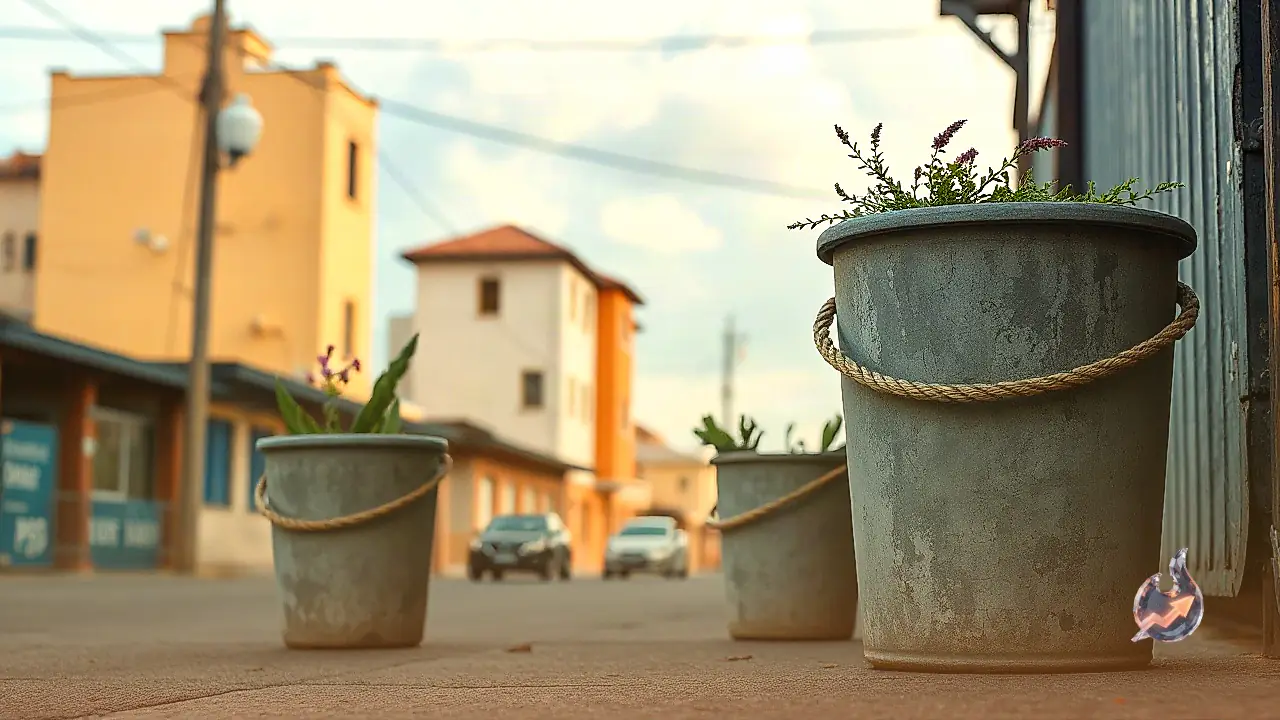
Creating homemade compost requires neither dedicated machinery nor expansive ground space. A terrace corner or balcony accommodates repurposed earthen planters, plastic barrels, or basic storage tubs. In smaller urban apartments, a standard 10-liter to 20-liter plastic bucket functions effectively. To ensure steady decomposition, puncture multiple small aeration holes through the base and sides of the container. These perforations allow continuous airflow throughout the interior mass and provide drainage for excess moisture, preventing anaerobic stagnation and foul odors.
Balancing Green and Brown Elements
Achieving rapid, odor-free decomposition requires balancing nitrogen-rich green matter with carbon-rich brown material. Piling solely moist flower petals inside a bin causes the biomass to turn soggy and unpleasant. In composting dynamics, fresh blossoms, green leaves, basil stalks, and raw fruit scraps serve as nitrogen-rich green inputs. In contrast, dry autumn leaves, withered blooms, fibrous coconut husks, dried banana leaves, and shredded unprinted newsprint function as carbon-dense brown ingredients.
Establish the foundation inside the vessel by laying down a two-inch base layer composed of dry leaves or shredded plain newsprint. Distribute an equal volume of fresh flowers and green stems directly on top. Whenever dealing with thicker elements such as banana stalks or tough coconut fibers, chop them into smaller segments before layering. Smaller fragments decompose significantly faster. Lightly dusting every couple of layers with garden soil or seasoned compost introduces vital microbes that initiate decomposition immediately.
Managing Moisture Levels and Oxygen Circulation
Maintaining proper internal moisture represents a crucial variable in the composting cycle. The biomass should remain neither bone dry nor waterlogged; ideally, it should feel like a firmly wrung-out damp sponge. If excess water accumulates and causes wetness, blend in dry crushed leaves or torn paper strips to absorb surplus liquid. Every 4 to 5 days, use a sturdy wooden dowel or garden tool to stir and aerate the pile thoroughly. Regular agitation supplies fresh oxygen to beneficial aerobic microbes, sustaining uninterrupted biological breakdown.
Harvesting and Applying the Finished Fertilizer
Within a timeframe of 4 to 8 weeks, regular aeration and moisture control will transform the floral mass into a dark, crumbly, and earthy-smelling substance resembling rich woodland humus. Fully mature compost emits no sour smells and produces a clean, earthy scent reminiscent of rain on dry soil. Run the finished mixture through a mesh garden sieve to separate coarse, uncomposted stems, which can be tossed back into the next active bin. Apply the refined compost directly around the root zones of flowering ornamentals, potted plants, and kitchen garden vegetables. It enhances soil structure, retains root-zone moisture, and stimulates vigorous botanical growth.
Troubleshooting Odor and Insect Infestations
Should the composting bin emit a harsh, foul stench or attract tiny fruit flies, the balance has shifted toward excessive green materials coupled with restricted airflow. Remediate this condition immediately by mixing in a generous quantity of dry brown leaves or uncolored paper shreds, followed by a thorough stirring. To repel unwanted insects and guard against fungal pathogens, sprinkle a tablespoon of natural turmeric powder or crushed neem cake across the surface of the pile.