






















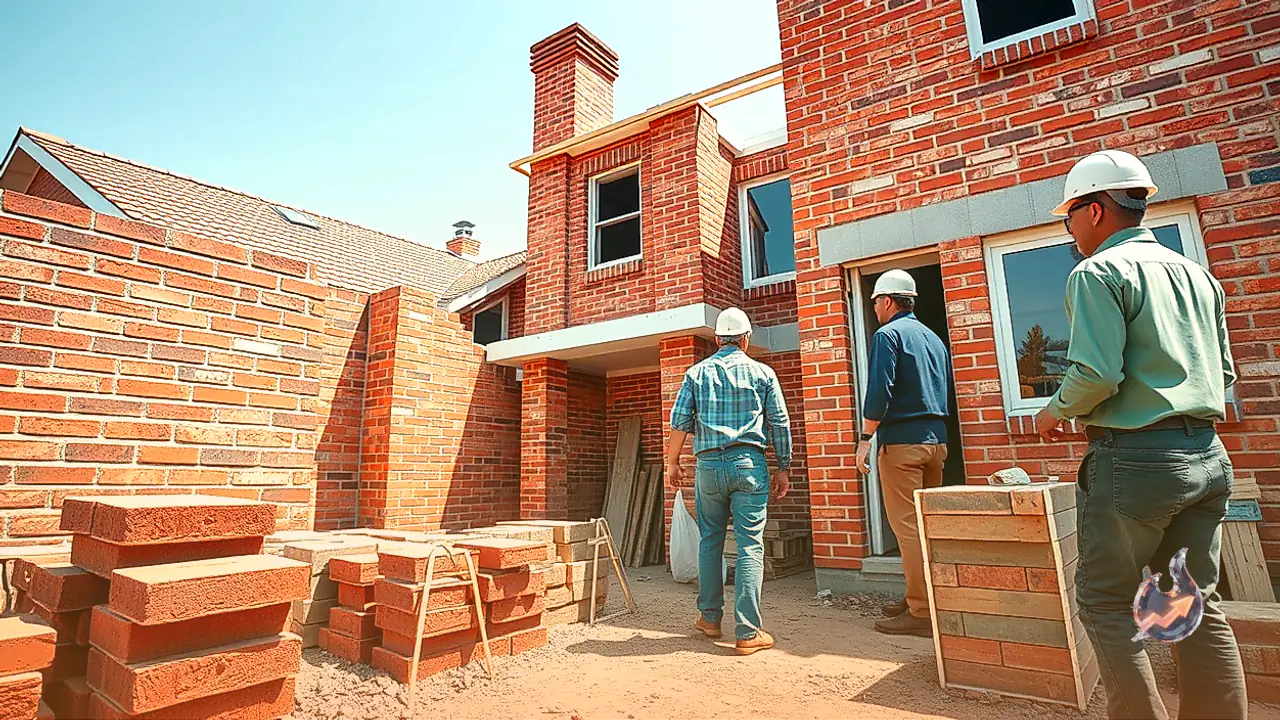

Constructing a residential building in Agra or anywhere else requires thoughtful consideration of the materials used in the walls. People often find themselves choosing between traditional red bricks and white AAC blocks, also known as autoclaved aerated concrete. Ajay Bhadoria, a civil engineer associated with AB Construction who has accumulated 16 years of experience in the building sector in Agra, shared expert insights on making the right choice. He emphasizes that the structural integrity and longevity of a home depend heavily on picking the appropriate material that aligns with the specific design and architectural blueprint of the house. Consulting an experienced structural engineer before starting any masonry work remains essential to avoid future structural complications.
Weight and Wall Application Differences
A major distinction between red bricks and AAC blocks lies in their physical weight and overall dimensions. White AAC blocks are noticeably lighter than conventional red bricks and come in larger sizes, which allows masons to complete masonry work much faster on the construction site. According to Ajay Bhadoria, because AAC blocks possess a lighter profile, they work best when utilized for interior partitioning walls within a house. Using them on upper floors for interior walls helps significantly reduce the cumulative dead load acting upon the entire building structure. Conversely, when prioritizing maximum structural strength for external boundary-facing walls, red bricks remain the preferred and more durable option.
Cost Factors and Strength Comparison
When evaluating the financial aspects, white AAC blocks carry a higher price tag compared to traditional red bricks, which can impact overall construction budgets. Furthermore, their inherent structural strength profiles differ notably. The engineer points out that AAC blocks can potentially sustain damage more quickly than red bricks if mishandled or installed in inappropriate locations. Therefore, utilizing them requires meticulous caution and strict adherence to professional engineering advice. The placement of blocks versus bricks must be decided strictly according to the architectural design of the building and professional recommendations to prevent any compromise in safety.
Manufacturing Processes and Composition
The manufacturing methods used to produce these two construction materials vary entirely. Traditional red bricks are molded primarily from earth soil and then baked at high temperatures inside industrial kilns to achieve durability. On the other hand, white AAC blocks are manufactured using a specialized mixture of cement, Chambal river sand, lime, and aluminum powder. These components are combined in precise proportions to form a reactive slurry. During this manufacturing phase, the aluminum powder triggers a chemical reaction that generates gas bubbles, creating microscopic pores inside the hardened block. This exact internal porous structure is what makes AAC blocks substantially lighter than standard red bricks.
Dampness Prevention and Supplementary Measures
Merely selecting the correct type of brick or block does not guarantee a completely trouble-free structure. To prevent chronic dampness and moisture seepage problems in a newly constructed home, relying solely on wall materials is never sufficient. Proper waterproofing treatments, high-grade plastering application, and an efficient drainage network for wastewater management are equally critical components of the construction process. Selecting the right building materials according to the structural engineering layout remains the single most important factor in ensuring a durable and long-lasting home.