
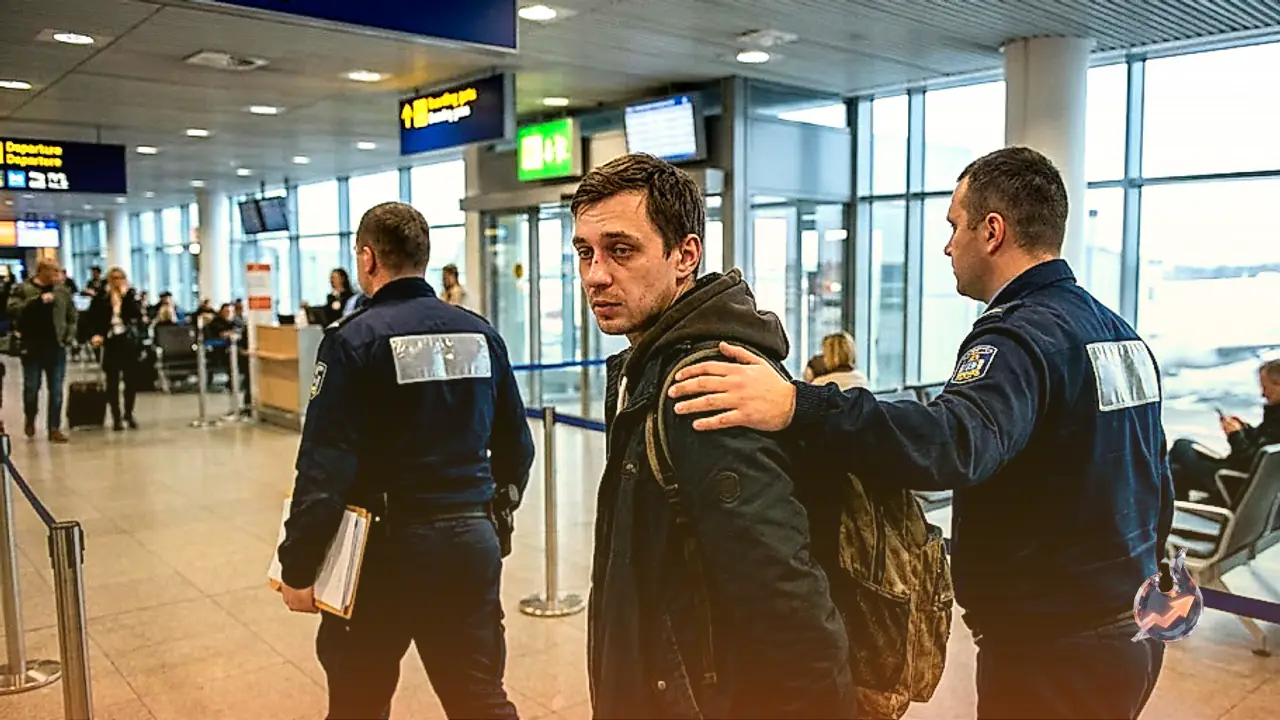





















When an aircraft carrying deportees touched down in Moscow in December, personnel from the domestic security agency were already positioned on the tarmac. Among the passengers were Russian nationals removed from the United States after their petitions for political protection were turned down, including prominent anti-war activists. Rather than finding a safe haven abroad, these individuals now confront immediate interrogations, prospective military mobilisations, and the looming prospect of severe penal sentences.
A deportee named Katya, whose name has been altered to safeguard her personal security while she resides inside Russia, recalled the sheer terror of that arrival, describing how fear left her trembling upon landing. Katya had abandoned Russia two years earlier to seek asylum on American soil. She presented documentation to immigration judges detailing her participation in anti-war rallies and her ties to opposition movements back home. Nevertheless, immigration courts rejected her petition and ordered her physical removal back to the country she had fled.
Tarmac Interrogations and Frontline Summons
Directly following their arrival, officers from the Federal Security Service, commonly known as the FSB, intercepted the deportees. According to Katya, security personnel immediately handed formal enlistment papers to all male passengers, instructing them to report without delay to their regional recruitment bureaus. These local enlistment centers serve as the standard pathway through which personnel are mobilized and deployed toward active combat sectors in Ukraine. Her narrative of the airfield screening was independently corroborated by an activist and a fellow traveler on the same flight.
Federal agents subjected the arriving individuals to intense interrogations spanning several consecutive hours. Katya explained that investigators scrutinized her personal mobile device and discovered materials they treated as criminal evidence, causing the mood in the room to turn instantly hostile. Although authorities eventually allowed her to leave and lodge with family members, surveillance and scrutiny have not ceased. Uniformed police continue to show up at her residence and conduct persistent phone check-ins, leaving her in constant distress over the prospect of imminent arrest.
Shifting Border Policies Across the United States and Europe
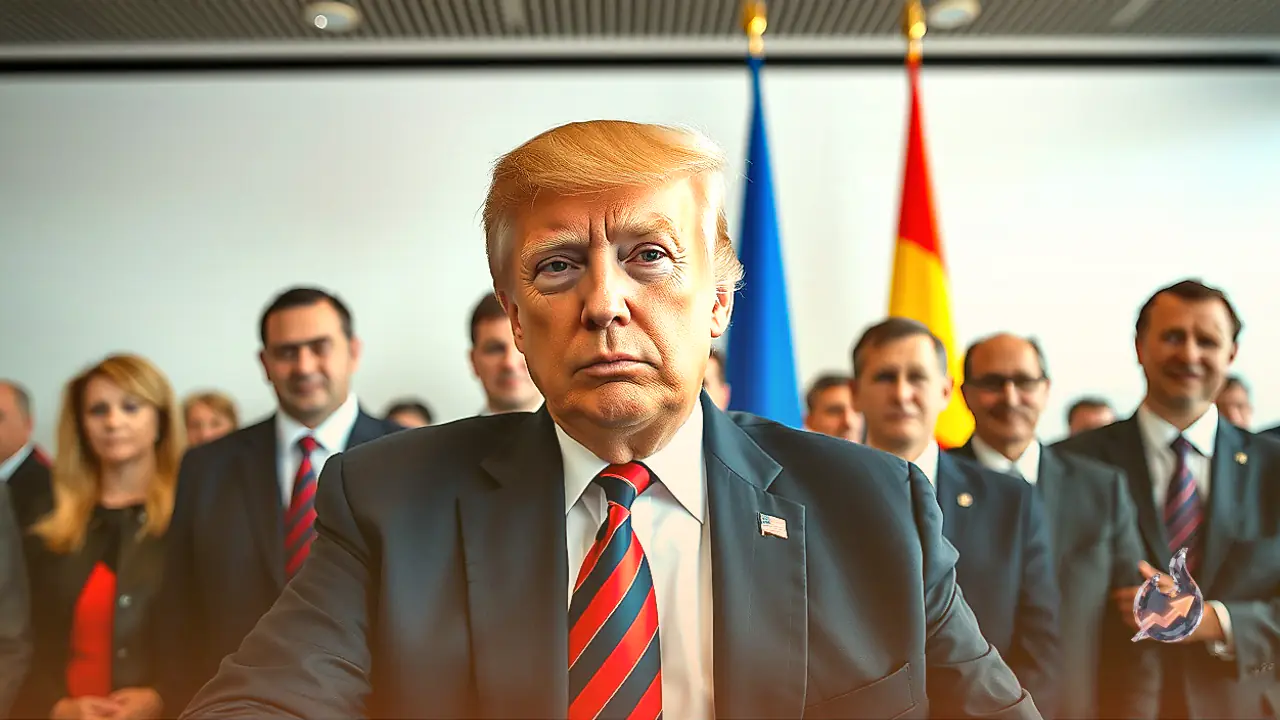
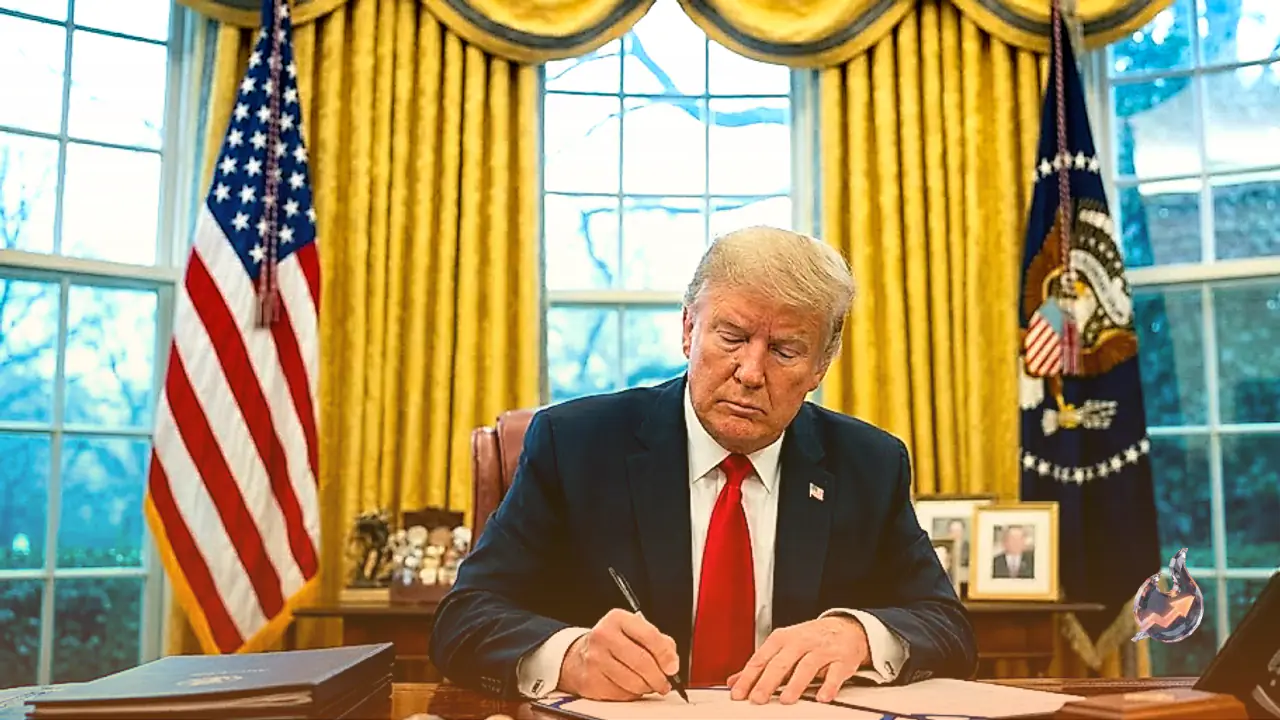
The reception awaiting Russian exiles represents a stark contrast to early 2022, when Western capitals broadly encouraged and sheltered those escaping Kremlin policies after the invasion of Ukraine began. More than four years later, political environments have hardened considerably. Formal expulsions from the United States climbed dramatically from 222 individuals in 2023 to well beyond 1,200 during 2025, driven by wider immigration enforcement measures during the second presidential term of Donald Trump. Advocacy networks observe that those removed include vocal dissidents along with military deserters, several of whom have faced rapid imprisonment or frontline service upon their forced return.
The reality facing returnees is exemplified by Leonid Melekhin, an activist who previously fled to America after being detained at domestic demonstrations. Melekhin had distributed digital images labeling President Vladimir Putin as an unlawful usurper and murderer. Following his forced return by American authorities last year, prosecutors charged him under laws prohibiting the justification of terrorism, resulting in a six-year prison sentence. Andrei Pivovarov, an exiled figure within the opposition Anti-War Committee who previously served four years in a Russian penal colony for leading an organization labeled undesirable, noted that multiple returnees received sentences reaching up to eight years immediately upon crossing the frontier. As a result, his organization now warns dissidents that European territory no longer offers reliable security.
Plummeting Acceptance Rates Across Germany and the European Union
Deportation volumes from European territory have likewise escalated. Official federal statistics from Germany demonstrate that while only seven Russian citizens were returned in 2023, the tally exceeded 110 removals in 2025. Between 2022 and 2025, upwards of 21,000 Russian citizens registered asylum claims in Germany; however, formal approval percentages plunged from 29 percent in 2023 to merely 6.8 percent across the initial eleven months of 2025. The German Federal Office for Migration and Refugees, known as BAMF, stated that protection requires an established, well-founded apprehension of direct persecution. Berlin subsequently halted its specialized humanitarian visa scheme, while broader European Union metrics showed overall Russian approval rates falling from 23 percent in 2024 to roughly 17 percent over the first nine months of 2025.
Legal advocates like Anastasia Burakova, founder of the support collective Kovcheg, point out that governments throughout the West are restricting humanitarian avenues in reaction to domestic voter pressure and the ascent of populist political parties. While individuals denied status are technically permitted voluntary departure, expanding numbers are placed into custody and escorted across international borders via intermediary transit hubs.
Military Deserters and Pending Evictions in Northern Europe
Escaping servicemen describe an acute disconnect when interacting with Western asylum interviewers. A former soldier named Artyom fled the armed forces in 2022 following demands that he deploy into Ukrainian territory. Despite presenting records proving an active criminal investigation against him in Russia for desertion, American adjudicators dismissed his claims. Artyom was escorted onto a flight that routed him back to Moscow by way of Egypt. Upon touching down, he was held within a military detention facility before engineering an escape, and he remains underground outside Russia today. Addressing such expulsions, the US Department of Homeland Security maintained that every migrant receives legal due process, noting that removals proceed once a judge determines an individual lacks legal status.
An identical crisis hangs over anti-war demonstrator Mikhail and his spouse Dasha, who await immediate deportation from Finland. Russian authorities had severed Mikhail's internet accounts and threatened his family over anti-war statements, while Dasha belongs to the Jehovah's Witnesses, an organization outlawed by Moscow as an extremist body. Despite evidence showing local police confronting Mikhail's mother over hundreds of social media posts, Finnish immigration authorities dismissed their petitions on five occasions, asserting that grounds for severe persecution were absent. This occurs against a backdrop where the Nobel Prize-winning rights group Memorial recorded political prisoners inside Russia surging from 803 to 1,265 during 2025, underscoring the severe risks awaiting those sent back.