




















In Indian wedding rituals, ornaments carry a significance that extends far beyond physical adornment, reflecting distinct cultural roots and familial heritage. In the traditional matrimonial ceremonies of West Bengal, one striking visual detail that immediately captures attention is the pair of red and white bangles gracing the wrists of the bride. Known throughout the Bengali community as Shakha and Pola, this specific pair may seem like simple ornaments to an outsider, yet in Bengali Hindu culture, they hold immense emotional and sacred weight. From marking the beginning of married life to inviting domestic prosperity, these bangles embody centuries of faith, customs, and artistic heritage.
The Nature and Craftsmanship of Shakha and Pola
Shakha and Pola are a complementary duo of traditional bangles crafted from distinct natural substances and displaying contrasting hues. The white bangle is referred to as Shakha, while its counterpart, the deep red bangle, is known as Pola. Traditionally, Shakha is produced from conch shell, where raw marine shells are sliced, polished, and shaped by hand. Conversely, Pola was historically fashioned using natural red coral, lending the piece its vibrant scarlet tone.
With evolving manufacturing practices and market availability, contemporary markets now offer versions made from alternative materials alongside genuine shell and coral. In Bengali Hindu households, wearing this duo following the wedding ceremony is an established norm. For numerous women, these bangles serve as an unmistakable badge of their marital journey, whereas for others, wearing them represents a meaningful way to remain anchored to their family lineage and cultural identity.
Symbolism of the White Shakha
The pristine white Shakha is traditionally regarded with reverence and seen as a token of virtue, peace, and auspiciousness. In broader Bengali life, the conch shell holds a special spiritual role that goes well beyond bridal ornamentation. Across religious rituals, festive gatherings, and marriage ceremonies, the sounding of the conch is believed to purify the surroundings and herald divine blessings.
Because of this enduring religious connection, the conch shell bangle acquired an elevated status in wedding customs. Placing the white Shakha onto the bride's wrists signifies prayers for harmony, clarity, and steady calmness in her newly established domestic sphere. Even so, the specific interpretation associated with the white color can vary slightly from one family to another, as household traditions and ancestral folklore introduce subtle nuances across different districts.
Cultural Meaning of the Scarlet Pola
Worn alongside the white conch bangle, the vivid red Pola serves as an essential counterpart in completing a bride's traditional look. Across the vast tapestry of Indian heritage, red has universally represented good fortune, vitality, prosperity, and the inception of a new phase of life. During matrimonial rites, this striking shade dominates the bridal ensemble, from the wedding attire to the vermilion applied in the hair parting and the forehead bindi.
In Bengali tradition, the scarlet Pola preserves this vibrant heritage and keeps the essence of marital celebration alive. When worn together, the white purity of the Shakha and the vibrant warmth of the Pola produce an aesthetic balance of peace and vitality. It is worth noting that these symbolic interpretations stem purely from cultural, societal, and spiritual lore rather than any empirical scientific facts, serving instead as expressions of cultural sentiment.
Ceremonial Rites of Bestowing the Bangles
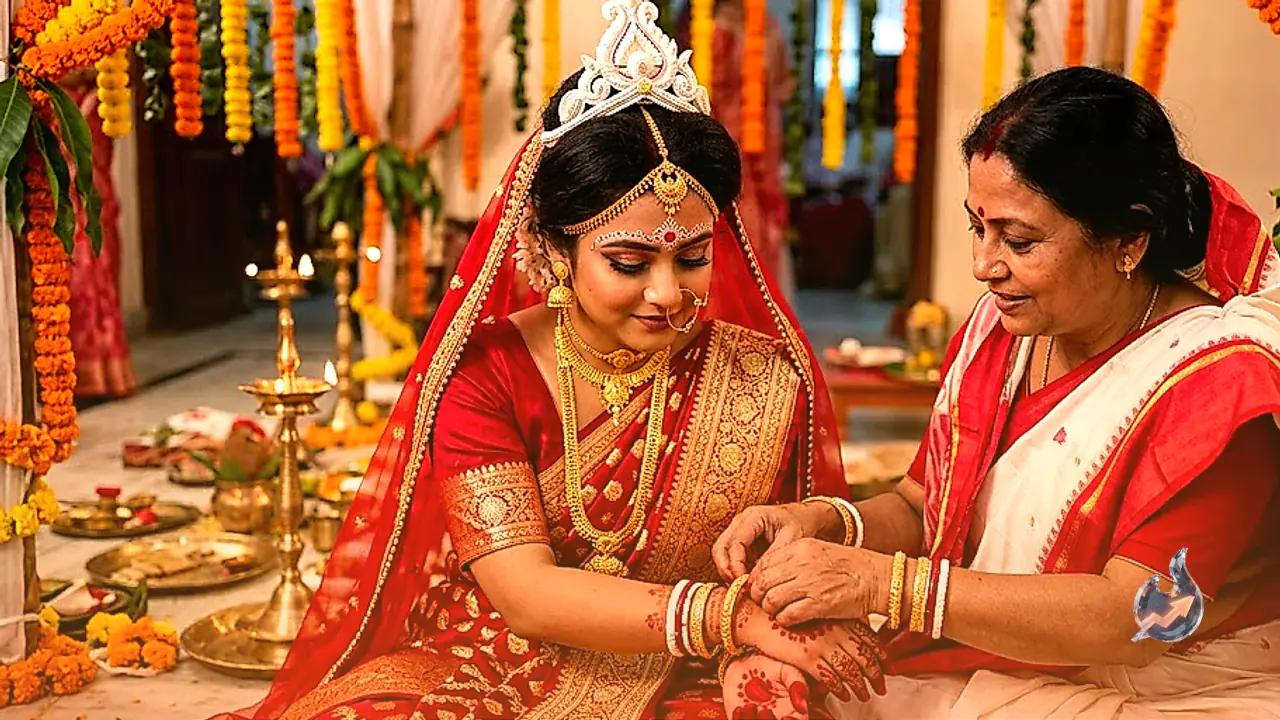
Within a Bengali Hindu wedding, the actual presentation of Shakha and Pola constitutes a tender and sacred rite. The exact timing and sequence for donning these bangles vary depending on individual family traditions. In several households, the bangles are placed on the bride's wrists right at the central wedding altar during the primary marriage vows, while other families conduct this ritual earlier or at designated transitional moments of the ceremony.
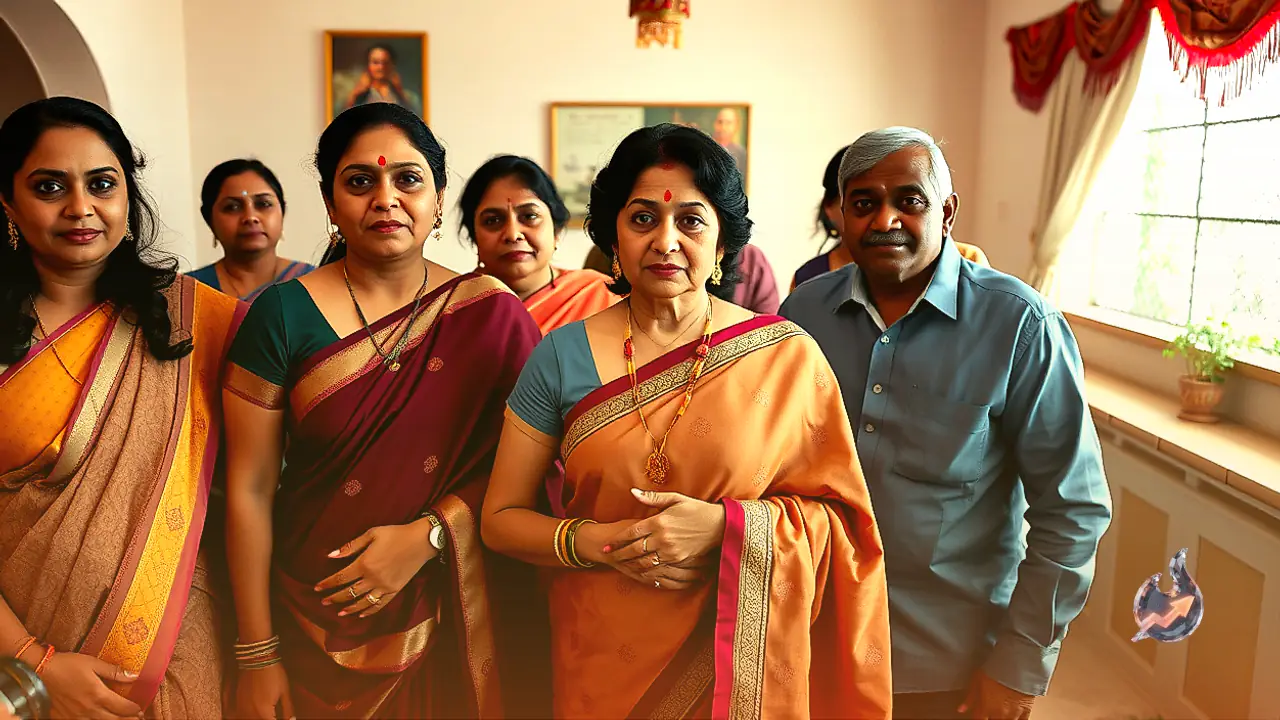
A deeply cherished aspect of this ceremony is the active presence and blessing of senior family matriarchs and elders. Family elders often present the bangles to the bride as an auspicious gift, conferring their heartfelt blessings for a stable and fulfilling future. In several customs, the bangles are gently purified with ceremonial water or milk prior to being slipped onto the hands. Because distinct regions and lineages in Bengal maintain their own unique variations, no two celebrations adhere to an identical checklist.
Historical Roots and the Shell Craft Legacy
Underlying this marital custom is an intricate chapter of regional handicraft and artisanal skill in Bengal. Coastal and inland trade networks across India have long nurtured craftsmen skilled in carving conch shells into decorative and utilitarian objects. West Bengal in particular has been home to dedicated communities of shell carvers, historically celebrated for their finesse in handling brittle marine shells.
Slicing tough conch shells with specialized instruments, refining their edges into flawless circles, and etching delicate floral or geometric motifs upon them demands immense technical precision. Over time, the refined shell bangles paired with red coral rings transitioned from regional crafts into quintessential symbols of Bengali Hindu matrimony. While exact historical dates pinpointing the genesis of this tradition remain unrecorded in formal histories, the practice has endured through oral tradition and continuous community usage for generations.
Is Wearing Shakha Pola Mandatory for Every Woman
In modern times, questions frequently arise regarding whether every married Bengali woman is obligated to wear Shakha and Pola. The reality is that there is no rigid mandate enforcing this practice across the board. While Shakha and Pola remain universally recognized cultural insignia of Bengali Hindu matrimony, wearing them remains a matter of personal choice, comfort, and professional convenience.
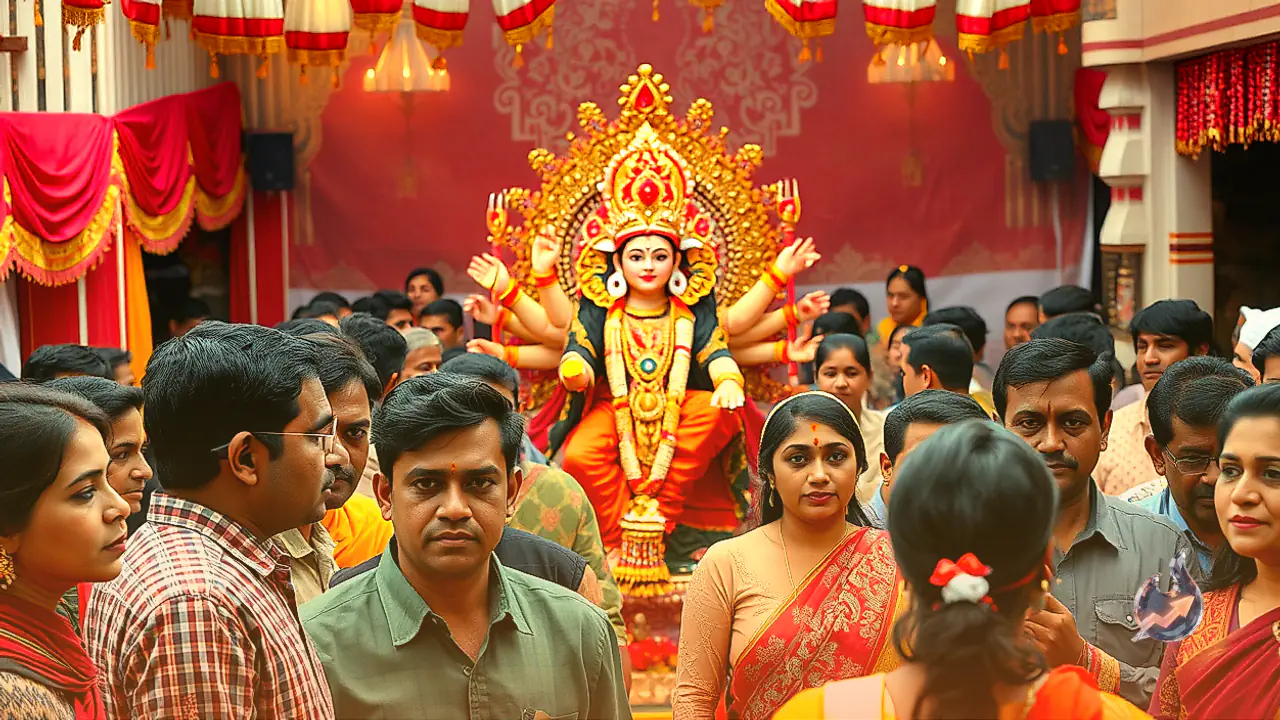
Many women continue to wear these bangles every day of their married lives as an expression of love, respect for custom, and cultural pride. In contrast, many professionals or those living in diverse urban environments choose to wear them primarily during festivals such as Durga Puja, family weddings, or major traditional gatherings. For some, the religious dimension takes precedence, while for others, the bangles serve simply as a tactile link to their cultural ancestry.
An Emotional Heirloom Across Generations
The true essence of Shakha and Pola transcends superficial appearance or societal standing, embodying deep personal memories and emotional bonds. Having watched mothers, grandmothers, and aunts wear these red and white bangles over decades, a daughter stepping into marriage often perceives them as a tangible connection to her roots and maternal heritage.
Fashion preferences and lifestyle rhythms continue to evolve rapidly among modern women, with many exploring minimalist jewelry and contemporary design choices. Despite these shifting trends, the reverence for Shakha and Pola within Bengali culture remains steadfast. The act of wearing these bangles at a wedding continues to evoke warmth, continuity, and joy among families. These two humble bands of white and red continue to serve as an enduring bridge between ancestral legacy and future generations.