
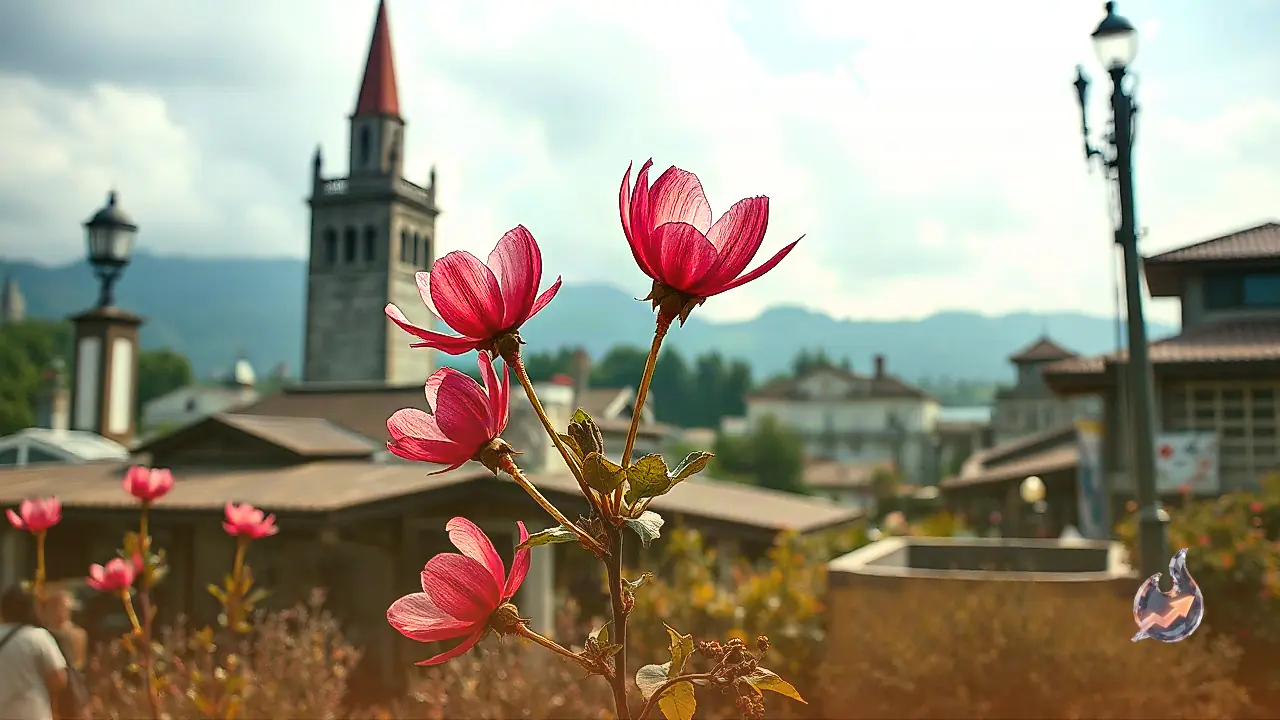




















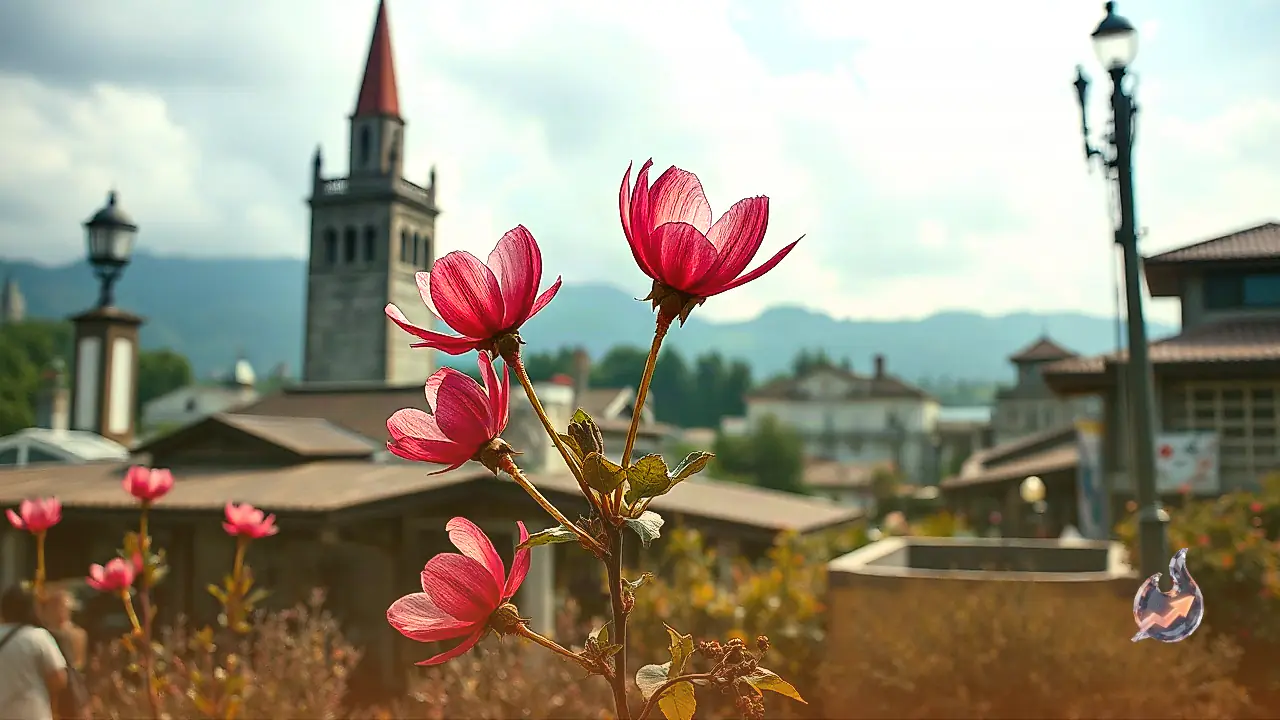

Nature harbors numerous plants renowned not only for their visual appeal but also for their traditional medicinal applications. One such striking plant featuring red, silk-like blossoms has been capturing widespread attention lately. Its flowers resemble cosmetic powder puffs, while its lush green foliage and spreading branches enhance its overall aesthetic charm. In rural communities, discussions often revolve around how various parts of this botanical specimen are traditionally utilized to address multiple ailments.
In discussions with local expert Vaidya Vishnu Dutta Prajapati, it is noted that different components of the red powder puff plant, including its flowers, leaves, bark, and roots, find mention in certain traditional healing frameworks. Historical medical records associate its applications with conditions such as fevers, stomach discomfort, diarrhea, and persistent coughs.
Vaidya Vishnu Dutta Prajapati explained that traditional practices document the use of this plant is bark and root for managing issues like diarrhea and dysentery. In certain regions, the leaves are reportedly used to alleviate digestive disruptions. However, experiencing severe diarrhea can lead to a dangerous depletion of bodily fluids and essential electrolytes. In such situations, administering oral rehydration solutions and adequate fluids is crucial. Diarrhea should never be taken lightly, especially in children, the elderly, and frail patients.
The blossoms and other parts of this shrub are historically linked to the management of coughs and respiratory difficulties. Scientific studies have also evaluated some of its natural compounds in laboratory settings. Nevertheless, it does not serve as a certified treatment for asthma, shortness of breath, or severe pulmonary illnesses. If anyone experiences breathing difficulties, they must be taken to a qualified medical professional immediately. Discontinuing prescribed medications or inhalers in favor of an untested herbal alternative can prove hazardous.
Laboratory investigations focusing on extracts derived from this plant have examined its potential to reduce inflammation and exhibit activity against certain bacteria. These findings offer researchers interesting prospects for future pharmacological studies.
Certain traditional healing traditions mention utilizing various parts of the plant to address menstrual and childbirth-related complications. Pregnant women must strictly avoid consuming the roots, bark, leaves, or flowers of this plant unless explicitly advised by a physician.
The red powder puff plant functions exceptionally well as an ornamental addition to gardens. It thrives in sunny locations and warm weather conditions. Its vibrant flowers enhance the aesthetic appeal of home courtyards, landscaped gardens, and public spaces. It is advisable to cultivate it in areas where small children cannot easily reach its seeds and branching structures. Proper precautions should also be observed while maintaining the plant.
Despite its ornamental value, it should never be mistaken for a certified cure for any illness. Its seeds can potentially be toxic, and consuming it during pregnancy carries significant health risks. Correct identification of the plant and consultation with a qualified practitioner are essential before attempting any medicinal use. Appreciate nature is precious creations and enjoy their beauty while exercising utmost caution regarding any herbal remedies.