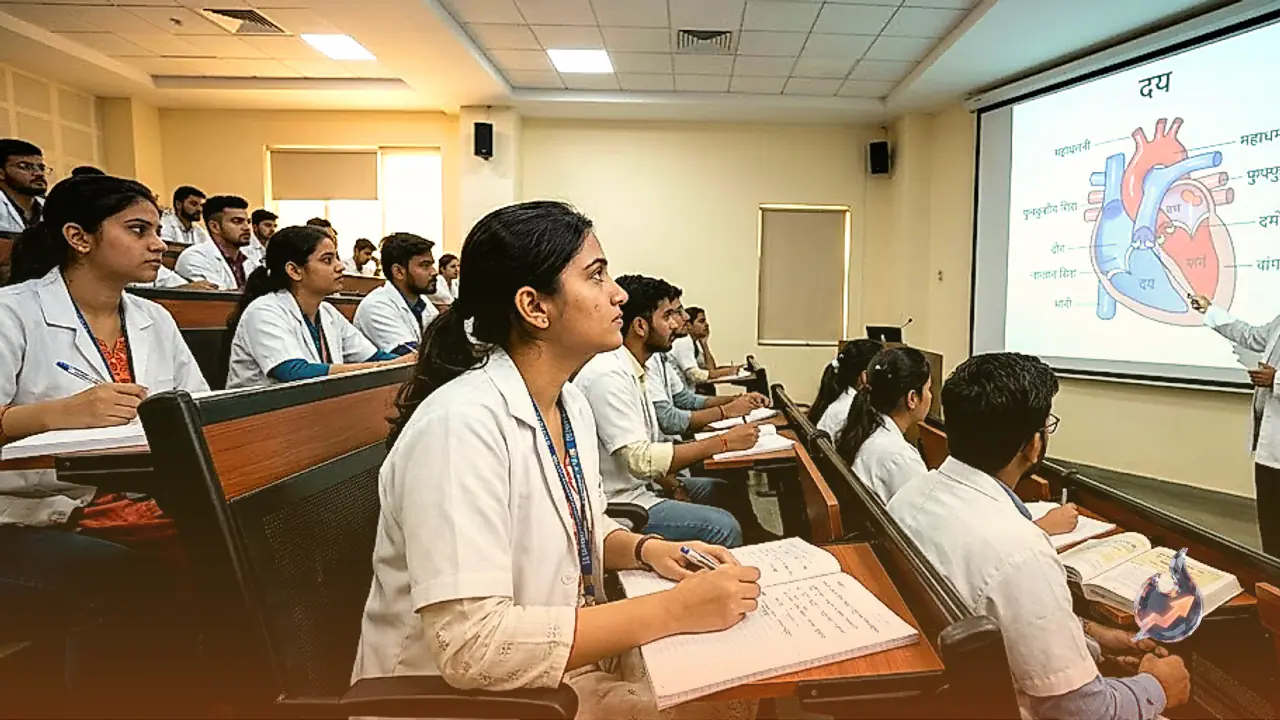

























Medical aspirants across the country are set to experience a major transformation in how entrance tests are conducted. The National Testing Agency is preparing to transition the flagship undergraduate medical entrance examination away from traditional physical pen and paper methods. Under the proposed changes, candidates may soon abandon OMR sheets entirely and instead submit their answers digitally via computers.
The Drive Toward Online Examinations
This prospective overhaul is primarily designed to inject absolute transparency into the testing apparatus and permanently eradicate any potential for malpractice. Government intervention became imperative following widespread public outcry and controversies surrounding alleged irregularities in earlier medical tests. To address these vulnerabilities, authorities established a high-powered task force headed by Infosys co-founder Nandan Nilekani, which has been actively working to foolproof the entire testing framework.
Advantages and Infrastructure Challenges of CBT
Traditional paper-based testing formats have frequently suffered from vulnerabilities such as question paper leaks, physical tampering with answer sheets, and localized administrative corruption. In contrast, computer-based testing utilizes advanced encryption, digital logging systems, and stringent server security protocols that render unauthorized leaks virtually impossible. Nevertheless, establishing adequate digital infrastructure and computer laboratories nationwide to accommodate millions of candidates simultaneously remains a formidable logistical hurdle, even though examinations like JEE Main, UGC Net, and CUET have already successfully migrated online.
Embracing Artificial Intelligence and Global Standards
Beyond simply digitizing the delivery mechanism, the testing agency is heavily integrating artificial intelligence to fortify security measures. Automated monitoring systems driven by artificial intelligence alongside sophisticated data analytics will be deployed to detect and prevent any attempts at cheating during the examination process. Furthermore, having strengthened domestic oversight, India is exploring collaborative cross-border examinations alongside BRICS nations, drawing technological security lessons from rigorous international models such as China's renowned Gaokao examination.