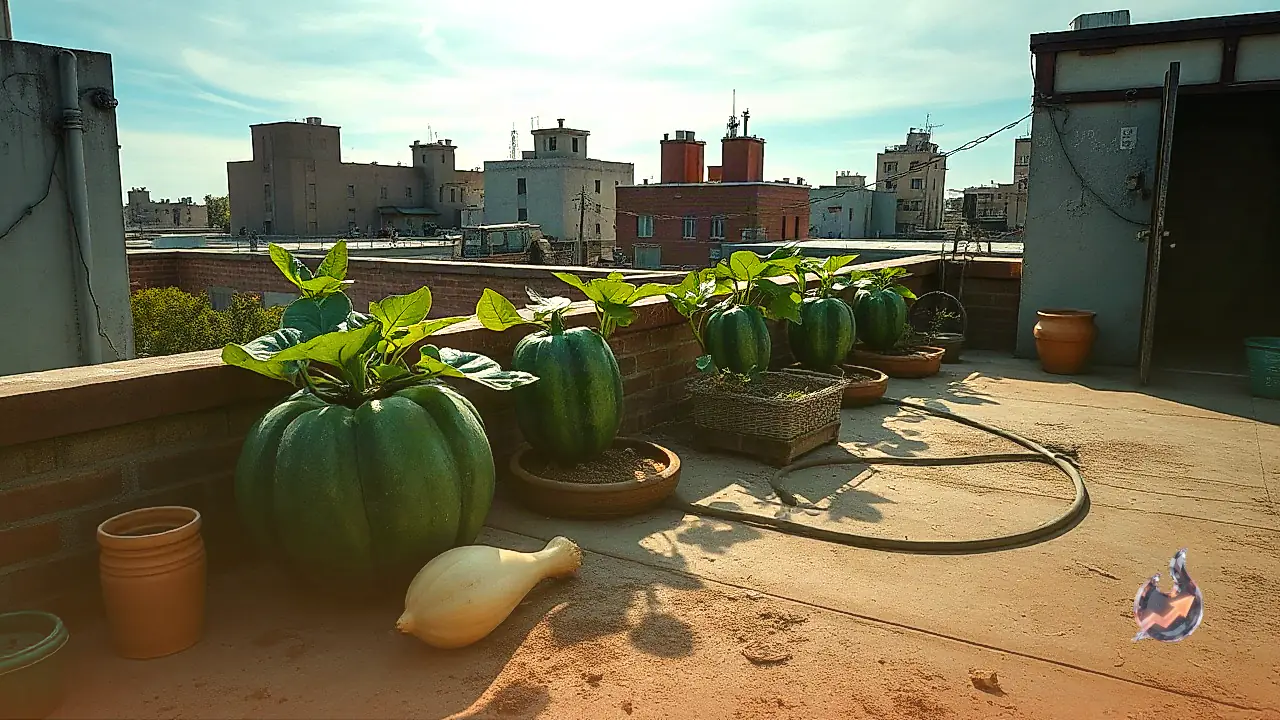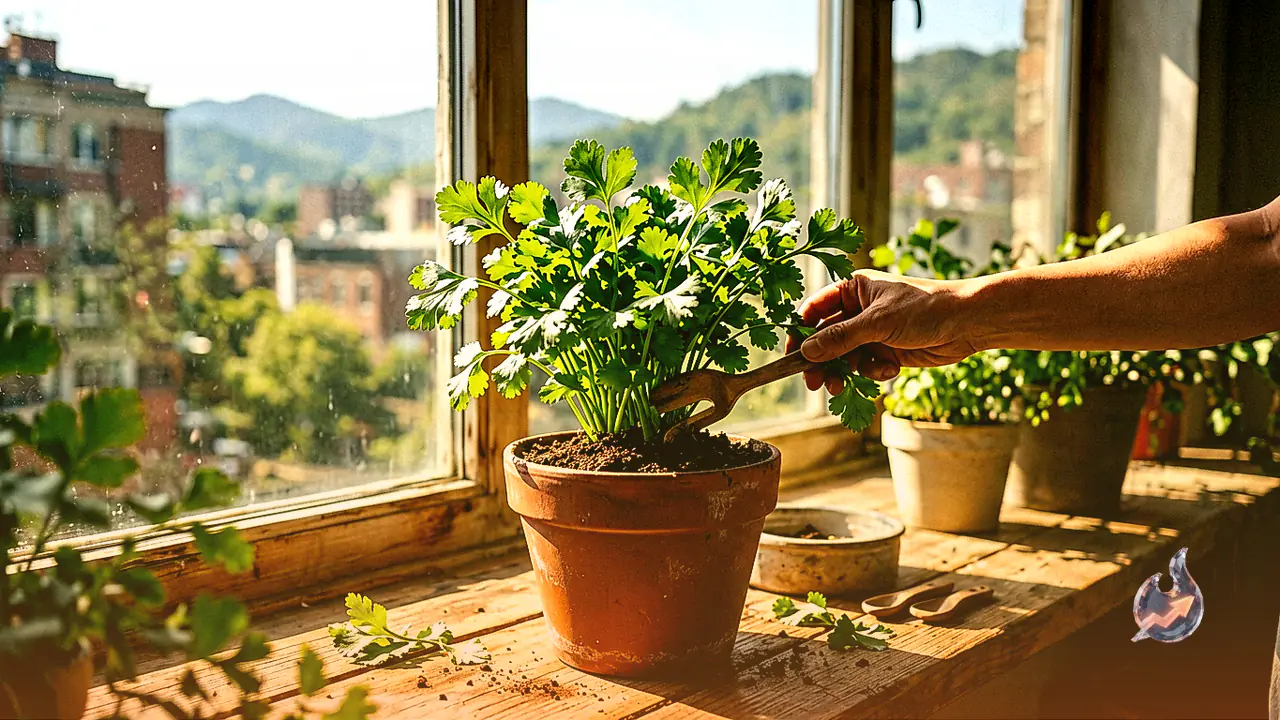






















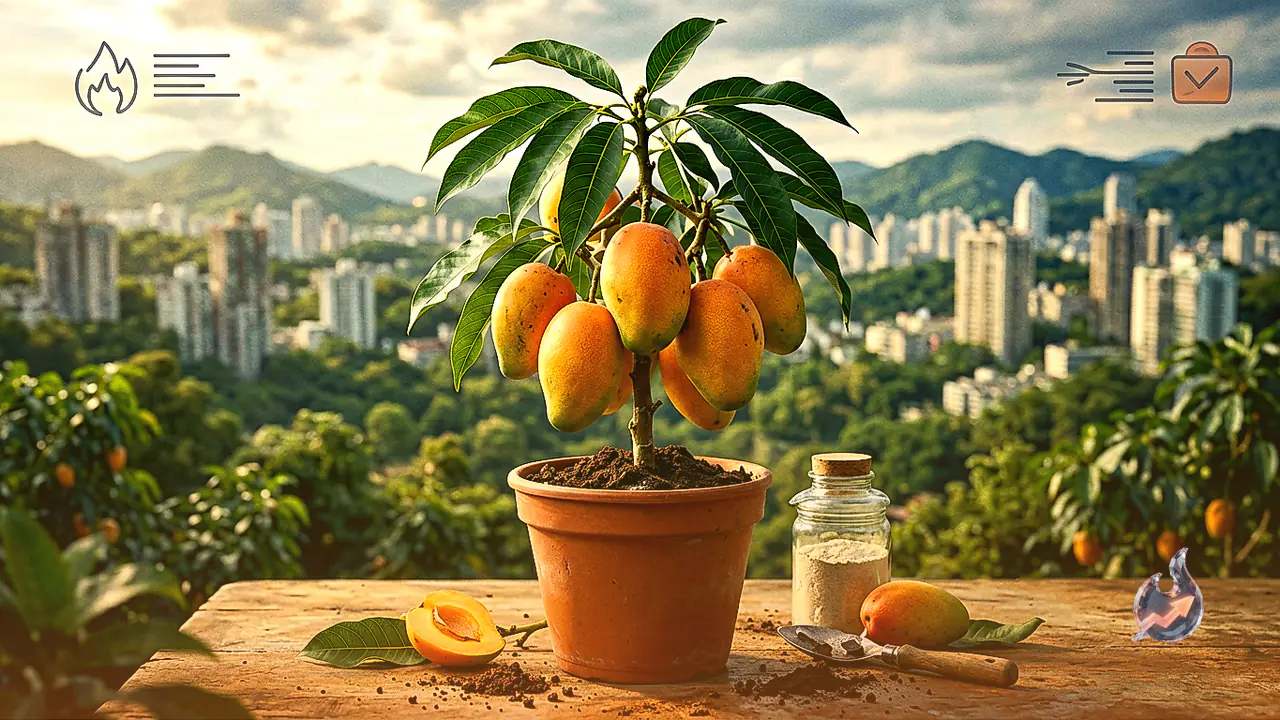

The mango tree is traditionally regarded as a symbol of love, prosperity, and spiritual growth, earning the revered title of a celestial tree in ancient texts. Many individuals easily grow mango plants right inside pots at home, with native mango varieties being the most commonly planted across India. However, it is also a well-known fact that potted mango plants do not bear fruit easily, often remaining just green without yielding results. Sometimes their growth halts completely, or the plant dries up due to a lack of proper care and attention. Understanding how to properly maintain a mango plant, knowing which fertilizers to apply when growth stalls, and learning how to secure an abundant harvest are essential steps for any plant owner.
The monsoon season is widely considered the absolute best time for planting a mango tree. You can successfully plant a mango sapling in a pot during the months of July, August, and September. Always bring home a healthy sapling purchased directly from a plant nursery. Grafted plants ensure that fruits arrive much sooner. While a mango plant can certainly be grown from a seed, it will take anywhere from 5 to 6 years before it starts bearing fruit. Therefore, bringing home a high-quality grafted variety from a nursery is a much wiser choice. Superior grafted varieties like Black Kasturi and Bark Uday are among the best options to plant, as these particular varieties typically begin producing fruit within just 1 to 2 years. If you choose to grow a mango plant from a seed instead, you will eventually need to perform grafting on it yourself at home.
To plant a mango tree successfully, use a pot or grow bag that is at least 20 inches in size. The soil used should always be regular garden soil or agricultural soil. Prepare a fertile soil mixture by combining 50 percent garden soil with 20 percent vermicompost and 30 percent cocopeat or sand. Mix 500 grams of neem cake and calcium powder directly into this soil blend. Stir everything thoroughly to prepare a uniform growing medium. Ensure that the pot features a proper drainage hole at the bottom. Start by placing a layer of soil inside the pot. While removing the sapling from its nursery bag, be extremely careful to keep its roots completely intact and undamaged. After positioning the plant securely inside the larger pot, water it thoroughly.
Growing a mango tree demands a significant amount of patience from the gardener, as fruits generally take at least two years to appear. Fruit-bearing plants require frequent weeding and soil aeration to thrive. Loosening the soil allows adequate sunlight and fresh air to reach the roots, giving the plant a healthy boost in growth. Feed the plant regularly with organic fertilizers every 20 to 25 days, alternating between two to three handfuls of vermicompost and well-rotted cow dung manure. Whenever you plan to fertilize the plant, make sure to withhold water for two days prior. If you want your mango plant to grow bushy and dense, pruning is an absolute necessity. The ideal window for carrying out pruning is between June 15 and June 30. Skipping pruning will cause the plant to grow only taller rather than bushier. Proper pruning stimulates the growth of fresh new branches, resulting in a dense canopy that ultimately produces a much higher yield of fruits. While pruning, always make sure that every cut is made at a 45-degree angle so that water droplets cannot pool on the surface. Immediately apply a layer of turmeric paste to the cut areas to protect the plant from fungal infections.
Once the plant reaches 4 to 5 months of age, enrich the soil with vermicompost alongside two spoons of PROM fertilizer, which stands for Phosphate Rich Organic Manure. This specialized organic fertilizer is primarily formulated by blending cow dung, compost, and rock phosphate. In addition, add one handful of Dhanuka Dhanizyme Gold to the pot. This product functions as an organic plant growth regulator and bio-stimulant derived directly from seaweeds, providing the plant with robust growth and ensuring a better harvest.
When the mango plant turns one year old, it will require about one kilogram of nourishment at a time. Special fruiting mix fertilizers are now widely available in the marketplace, packed with essential nutrients like iron, zinc, phosphorus, calcium, and potash. When applying this specialized fertilizer, scrape away the topmost layer of soil from the pot, add the nutrient mix, and then cover it back up with soil. This heavy fertilization needs to be done only once every six months. A common issue with mango plants is the absence of flowers and fruits. If you planted a grafted sapling and still do not see any blooms after three years, remove the top layer of soil from the pot. Take one kilogram of vermicompost and create an initial layer. Next, sprinkle 15 grams of DAP fertilizer, followed by another layer of vermicompost on top. Water the plant thoroughly afterward. Two or three days later, dissolve one spoonful of agricultural sulphur worth 5 rupees in water and spray it across the entire plant. Flowers will begin to emerge on the plant within 15 days.
You can also adopt another simple method to induce flowering and fruiting in your mango tree. Loosen the soil inside the pot thoroughly through gentle digging. Mix four handfuls of well-rotted cow dung manure, four handfuls of vermicompost, one handful of biozyme granules, and one handful of seaweed extract together. Finally, blend in two handfuls of neem cake powder. You can apply this nourishing fertilizer mixture once every three months. Noticeable changes will appear within 15 days as flower buds begin to form on the plant. Alternatively, you can dissolve alum in water and feed it to the plant. For enhanced overall growth, a mixture of copper sulphate and slaked lime can also be applied. Dissolving mustard cake in water and pouring it into the soil encourages the plant to yield maximum fruit. Mango plant leaves are prone to attracting pests very quickly, so spray neem oil regularly to protect them. Following these careful maintenance practices will ensure a bountiful and healthy harvest from your mango tree.