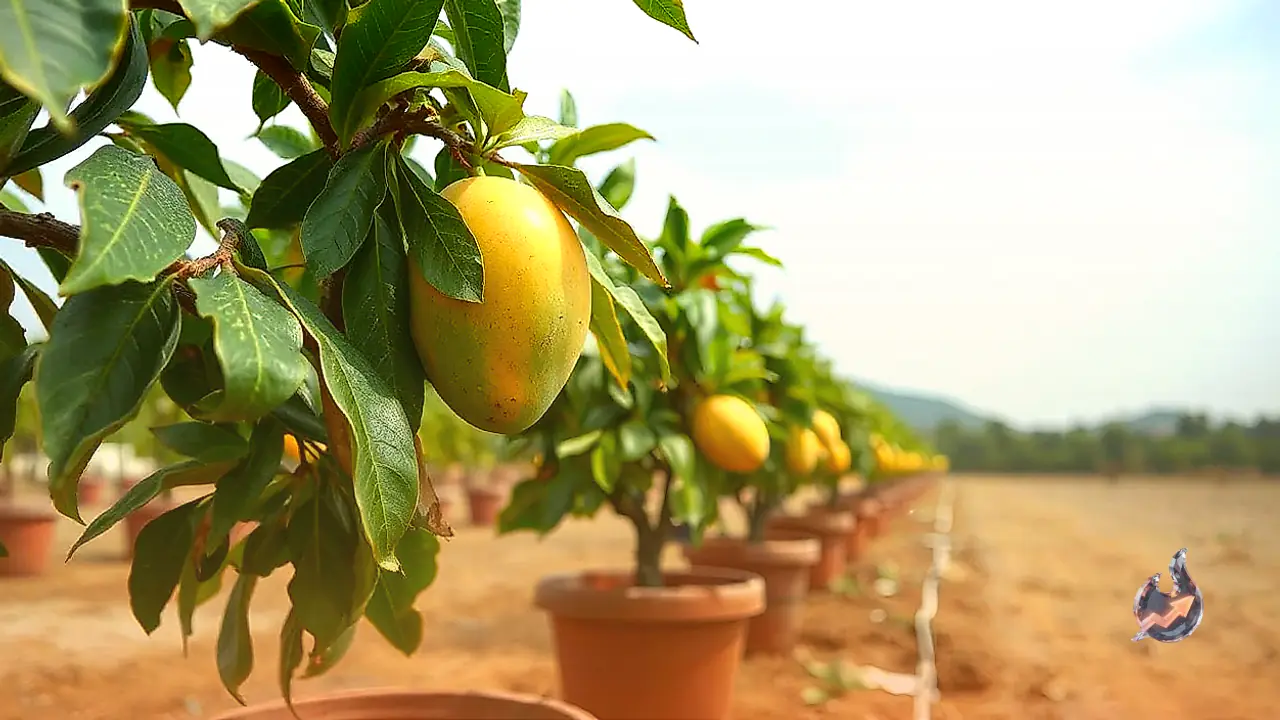





















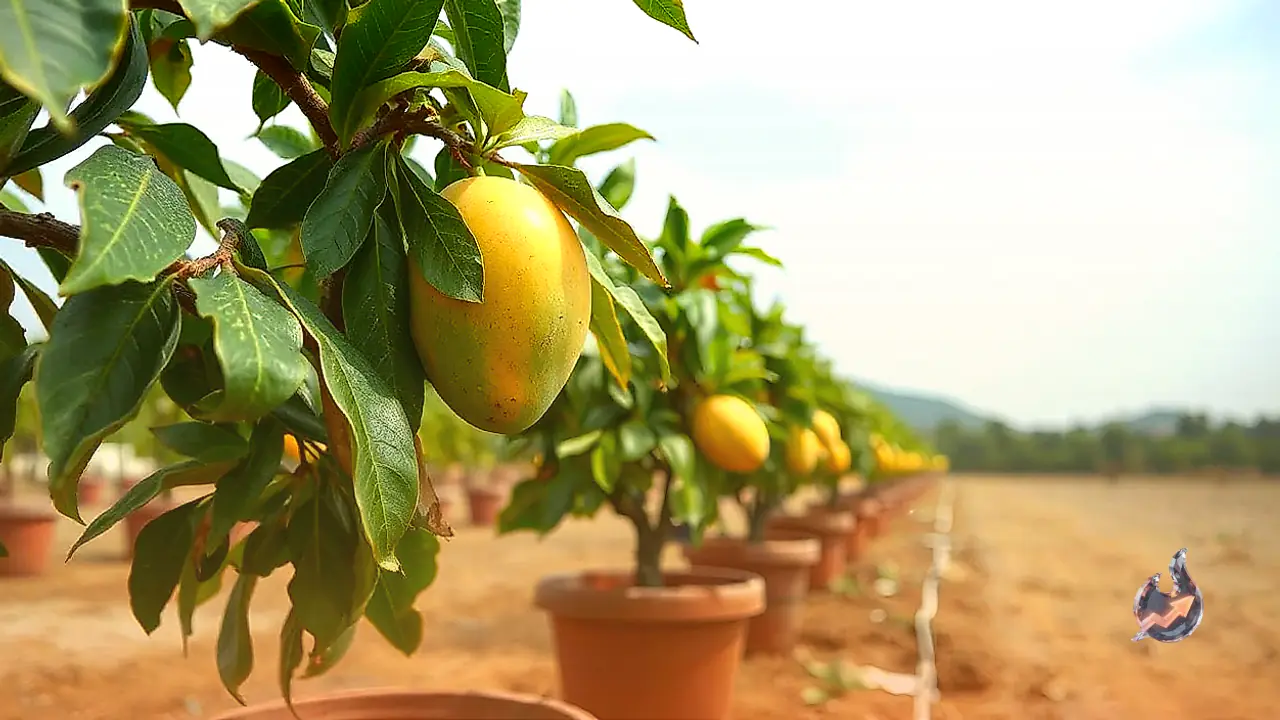

Mango, lemon, and guava trees are among the most commonly planted fruit trees across the country. In rural regions, mango saplings often sprout naturally after the monsoon season, while many people also grow plants directly from seeds. Although growing native mango trees is straightforward, they typically take five to seven years to start bearing fruit, making grafted plants a much better alternative. If you have planted a mango tree in a container or pot, October requires special attention regarding its upkeep. Providing the right fertilizers and water during this month is crucial, and October is also an ideal time for planting grafted saplings. Gardeners can easily bring home a five to six-month-old plant from a local nursery.
When purchasing a grafted plant from the nursery, make sure to choose an everbearing variety. Popular everbearing mango varieties include Katimon, Badi-11, Kanhog, and Surangana, which produce fruit two to three times a year and thrive easily in pots with proper care. If you want your potted mango plant to show excellent fruiting during the summer season, you must nourish it with quality fertilizers right now. Proper nourishment encourages the growth of new branches, and more branches naturally lead to more blossoms and a heavier harvest. Start by loosening the soil in the pot thoroughly, then add about 300 grams of aged cow dung manure or vermicompost.
Additionally, incorporate a reputable Plant Growth Promoter and two spoons of seaweed. You can use seaweed from any reliable brand, including Dhanzyme or Sagarika. After adding all three fertilizers, mix them evenly into the pot's soil and water the plant thoroughly. The quality of fertilizer you provide during August, September, and October directly dictates the plant's overall growth. These ninety days allow the tree to store carbon in its leaves, which naturally triggers flowering hormones during the winter months and results in heavier blossoms. October is also the time to prune away any damaged, rotting, or diseased branches and leaves from the plant.
Apply turmeric paste to every cut surface on the branches to prevent fungal infections and rot. If the plant is one or two years old, you can feed it up to five kilograms of well-decomposed cow dung manure. Humic acid can also be introduced in October if no prior fertilizer has been provided. Dissolving about two grams of humic acid in one liter of water and applying it near the roots once a month promotes root development and improves soil quality. If your plant is an everbearing variety, you can continue feeding it on a monthly basis.
If the plant is not an everbearing variety, you must manage it carefully through November and December. Avoid adding any fertilizers during these cold winter months and monitor watering closely. Water the plant only when the top layer of the potting soil feels completely dry, as mango trees enter a dormant state during November and December, and excessive moisture can harm them. Applying mulch, such as dry chaff, helps keep the roots warm during winter. As January arrives and flowers begin to appear, resume feeding the plant with appropriate nutrients.
Dew accumulation in January increases the threat of pests on the blossoms, which can be managed by spraying a mixture of neem oil and shampoo. Mango plants require a container or grow bag that is at least twenty inches in size. From January and February onward, feed the plant some form of nutrient every twenty to twenty-five days. Stop watering the plant two to three days before applying any fertilizer, ensuring you loosen the soil first and add the fertilizer afterward. A specialized fruiting mix containing iron, zinc, phosphorus, calcium, and potash can also be added between February and March.
To encourage heavier flowering and fruiting, you can dissolve alum in water and pour it around the plant to prevent blossom drop. Alternatively, a mixture of copper sulfate and lime can be applied to the pot. During winter, fermented mustard cake solution works wonders in promoting abundant flowers. By diligently caring for your mango plant over the next four months, you will harvest plenty of juicy, delicious fruits when summer arrives.