






















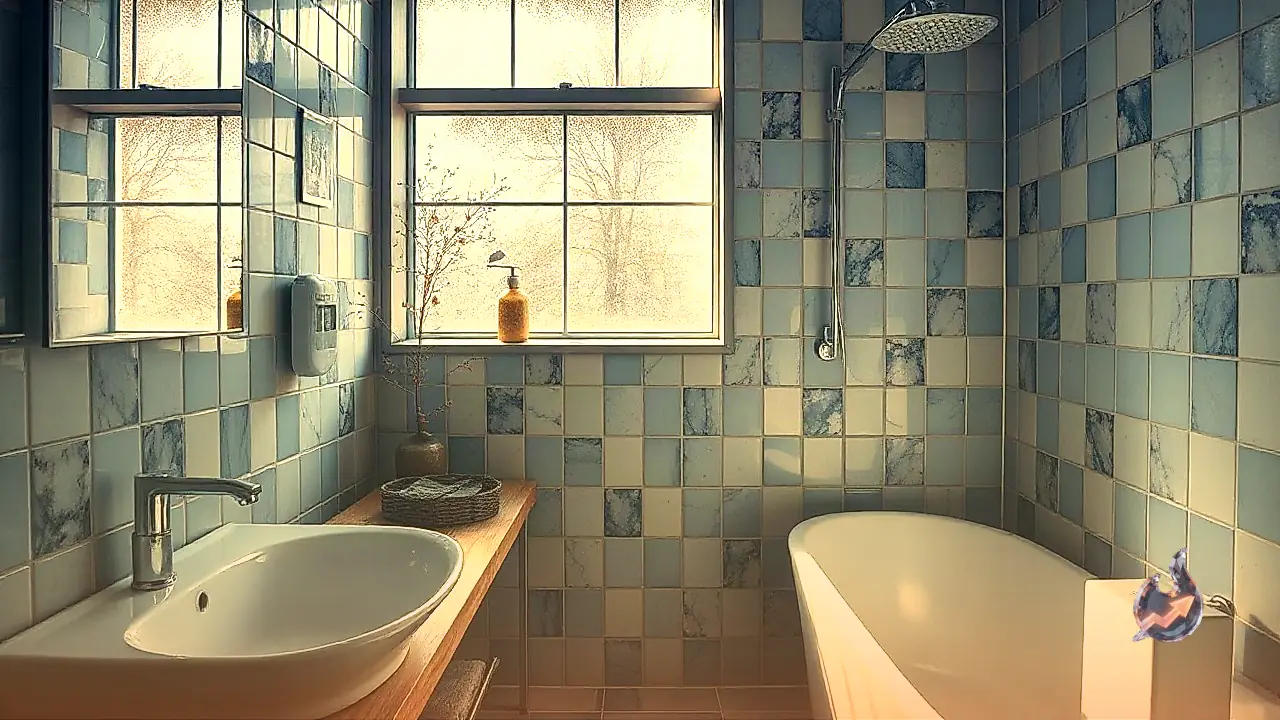

A tiled bathroom undoubtedly gives a modern home an elegant and luxurious appearance, yet preserving that pristine look over time can turn into quite a chore. Many homeowners assume that keeping tiled surfaces gleaming demands exhausting daily scrubbing, but maintaining them is actually far simpler. Wiping away standing water immediately after every use and running the exhaust fan for a short duration goes a long way in preventing foul odors and fungal growth. Alongside these basic everyday habits, setting aside time once a week for a thorough deep clean is considered essential for proper household hygiene.
Why Bathroom Tiles Accumulate Grime and Yellow Layers
Whenever two or more individuals share a single bathroom, persistent moisture accelerates the rapid buildup of bacteria, soap scum, and general dirt. This is the primary reason why bathrooms in larger households tend to look aged and worn out long before they actually should. Over time, continuous exposure to water leads to the formation of a dull yellowish film across the floor and walls. If this sticky discoloration is not addressed right away, it hardens to the point where eliminating it with ordinary washing becomes nearly impossible. Applying a simple weekly cleaning routine can easily prevent this persistent issue.
The Critical Role of Managing Surface Moisture
The longer bathroom floors remain wet, the faster moss, dark fungus, and slippery yellow residues take hold of the grout and tile glaze. Making it a firm rule to run a squeegee across the floor after every shower ensures that water does not pool in corners or settle on the tiles. Keeping the area dry cuts off the moist environment that harmful microorganisms need to thrive and prevents unsightly mineral rings from developing.
Using Baking Soda and White Vinegar to Dissolve Tough Grime
When tiles already exhibit stubborn yellow staining, jumping straight to abrasive scrubbing pads or hard wire brushes is a counterproductive approach that can scratch the surface finish. Instead, begin by dusting baking soda evenly over the entire affected area. Next, prepare a cleaning solution by mixing equal parts white vinegar and plain water inside a standard spray bottle, then mist this liquid generously over the baking soda layer.
The interaction between the acidic vinegar and alkaline baking soda creates a gentle foaming reaction that effectively breaks down hardened grime from underneath without demanding intense manual labor. Furthermore, this natural combination actively tackles unwanted smells and restrains the growth of household bacteria across damp surfaces.
Washing and Restoring the Original Finish
After letting the mixture work into the dirt for a short period, lightly buff the tiles using a soft-bristled brush or an ordinary cleaning sponge before rinsing everything down with plenty of clean water. Once washed, the stubborn marks lift away cleanly, leaving the surface gleaming just like brand-new tilework. Consistent upkeep paired with this low-effort cleaning method remains the most dependable way to preserve the appearance and cleanliness of bathroom tiles for years to come.