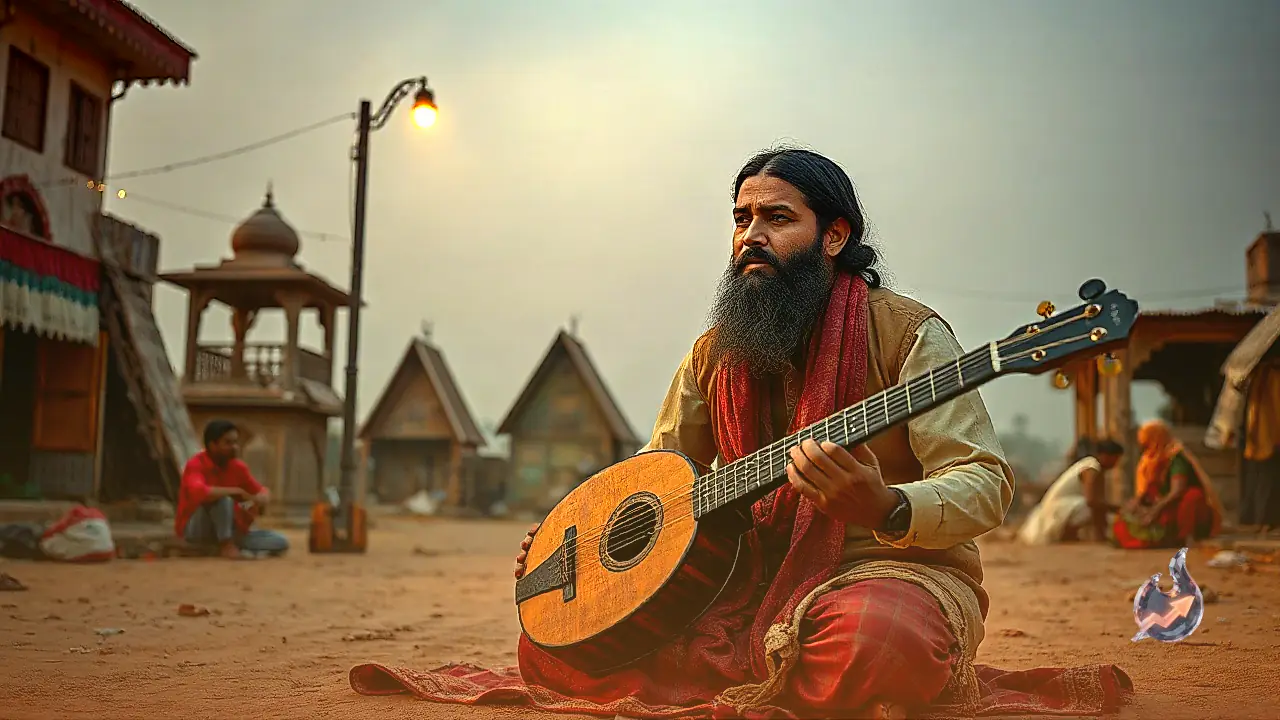



















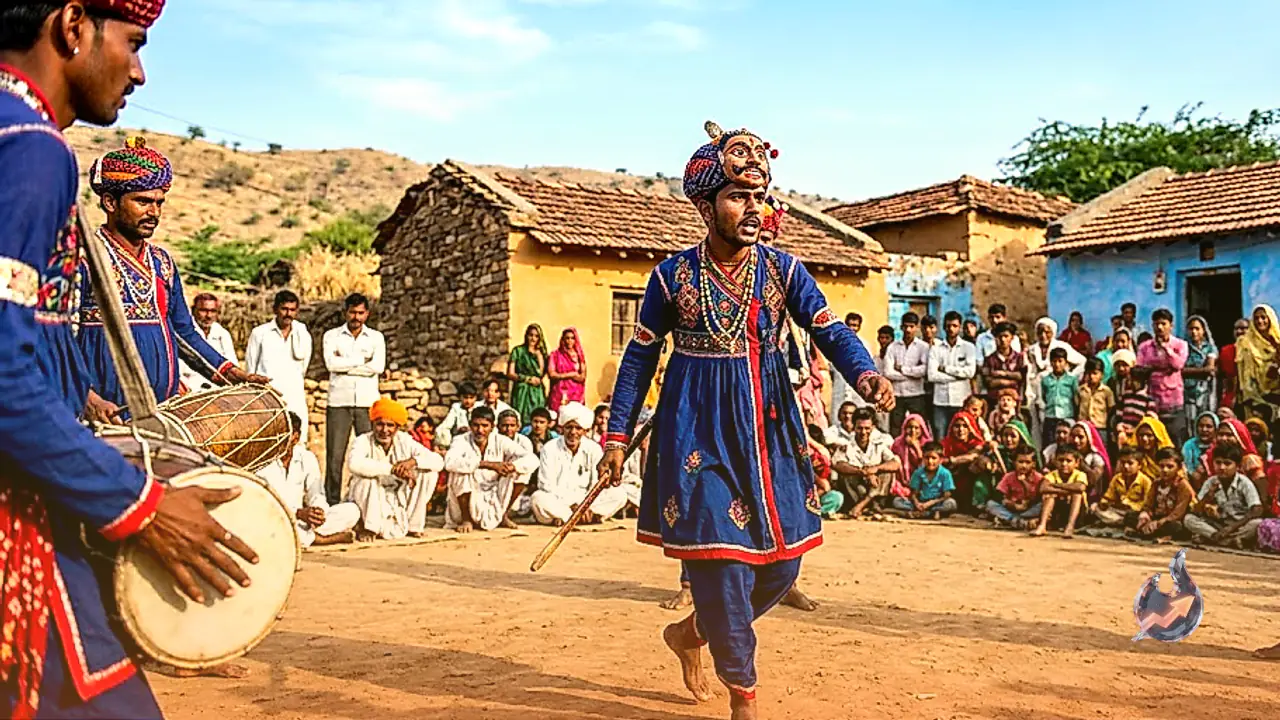

In the folk culture of Mewar, Gavari stands out not merely as a dramatic theatrical form, but as a living tradition defined by spiritual faith, discipline, and communal devotion. Performed traditionally by the Bhil community, this folk enactment spans a grueling duration of approximately 40 days. Throughout this period, the participating artists observe a series of demanding lifestyle rules and penances that distinguish this cultural ritual from any ordinary performance art. Stepping away entirely from their domestic routines, the performers spend weeks traveling from village to village to stage their episodes.
A Centuries Old Heritage Rooted in Faith and Community
According to historian Shrikrishna Jugnu, the tradition of Gavari has been upheld across generations for centuries within the Bhil community of Mewar. The performance has never been viewed solely as a source of recreation; rather, it represents deep seated religious reverence and a spirit of collective living. Once the Gavari cycle commences, performers distance themselves from their personal households for around 40 days, adhering strictly to inherited customs and shared responsibilities throughout the ritual cycle.
Shunning Green Vegetables and Living as Nomadic Troupes
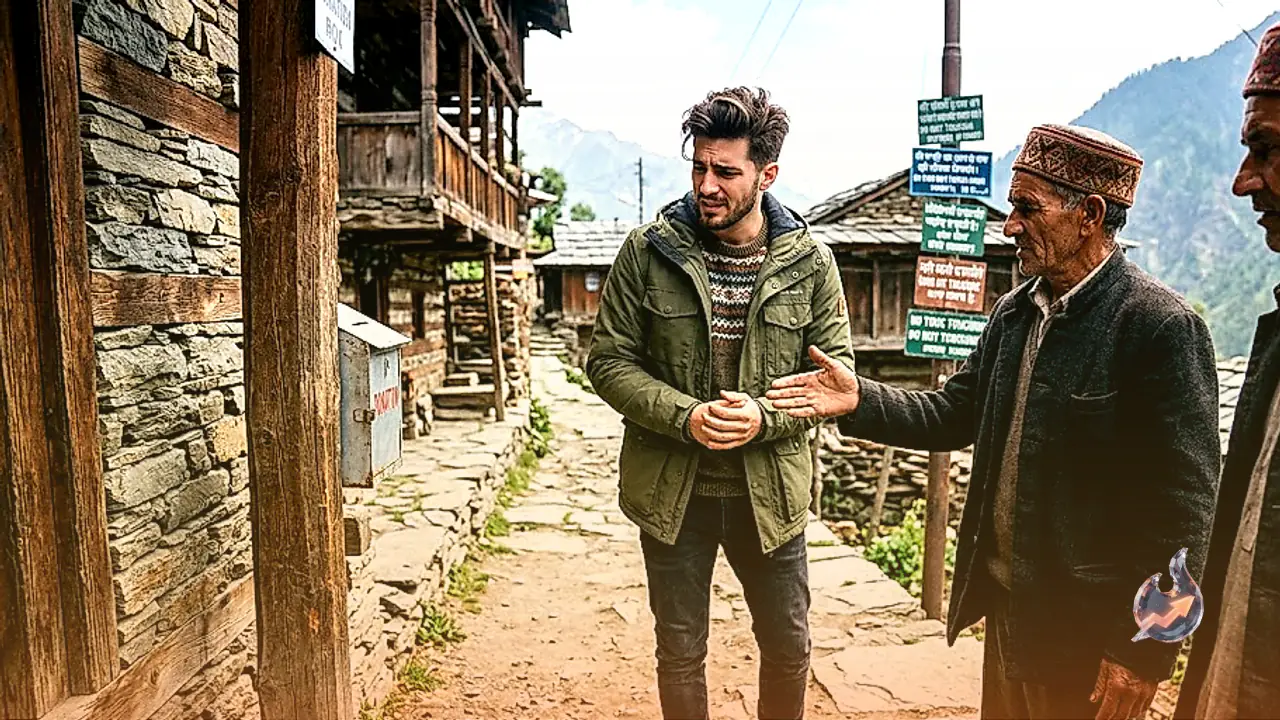
Among the most distinctive prohibitions observed during these 40 days is the complete avoidance of green vegetables. Performers strictly exclude green produce from their diet, guided by religious convictions and customary beliefs. Returning to one's personal residence is also considered strictly taboo once the ritual has begun. Members remain bound to their troupe, camping and making boarding arrangements within whichever village they happen to be staging their dramatic performance on that given day.
Barefoot Journeys and Austere Living
The daily conduct and physical habits of the troupe undergo a total transformation during the festival. Numerous performers observe the vow of remaining completely barefoot throughout the 40 days, discarding all footwear regardless of terrain. Whether traveling under scorching heat or navigating muddy tracks in the rain, the artists continue their journeys on foot between rural settlements. This physical rigor underscores the degree of ascetic discipline and mental endurance embedded in the folk theater.
Folk Legends, Dance, and Rural Spectacles
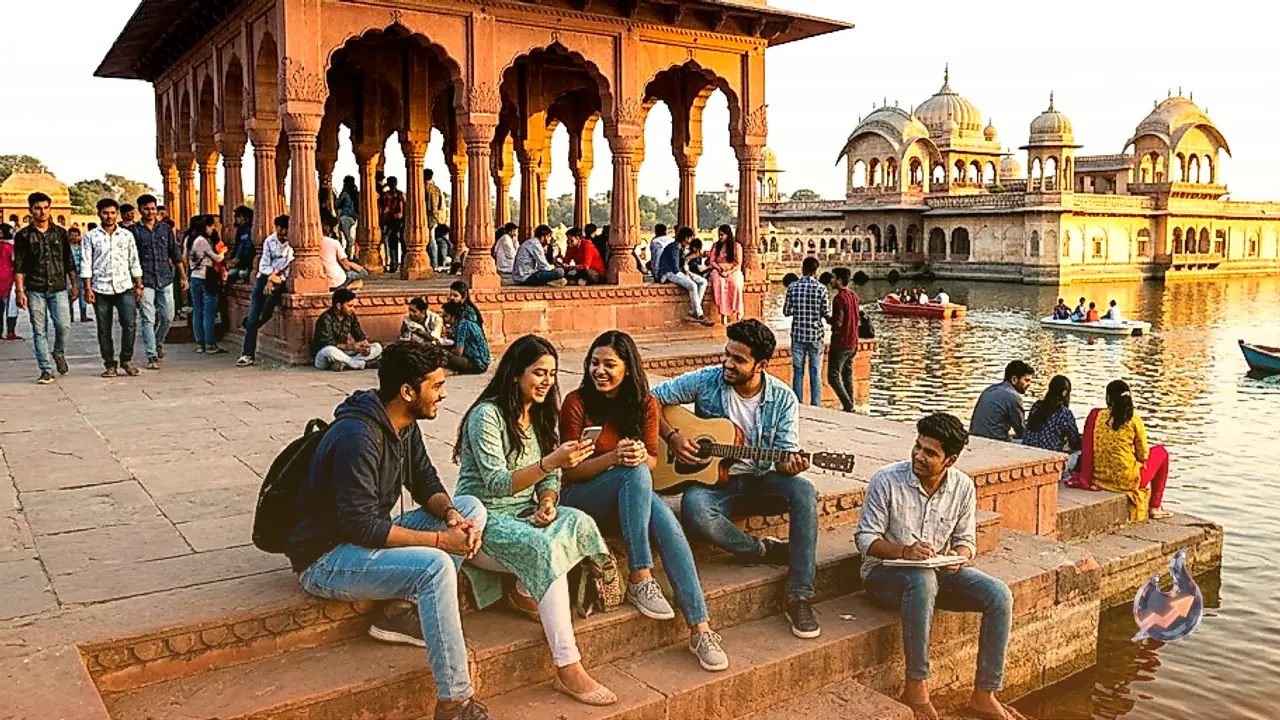
During the enactments, artists embody an assortment of mythological figures, local deities, and social characters drawn from historical folk lore. The stories are brought to life through structured dances, traditional dialogues, and stylized acting. When a Gavari troupe arrives in a village, the entire settlement treats the occasion as a shared community festival. The dynamic interaction between the actors and the audience creates an intimate cultural bond that unites the rural public around collective folklore.
Preserving Cultural Identity Through Discipline
Historian Shrikrishna Jugnu notes that the defining hallmark of Gavari is its seamless fusion of theatrical artistry with strict discipline and unyielding faith. By deliberately setting aside personal life, comfort, and home for around 40 days, the performers preserve an ancient ritual intact. Even in contemporary times, this uncompromising commitment keeps Gavari as the enduring cultural symbol of Mewar and the timeless legacy of its Bhil community.