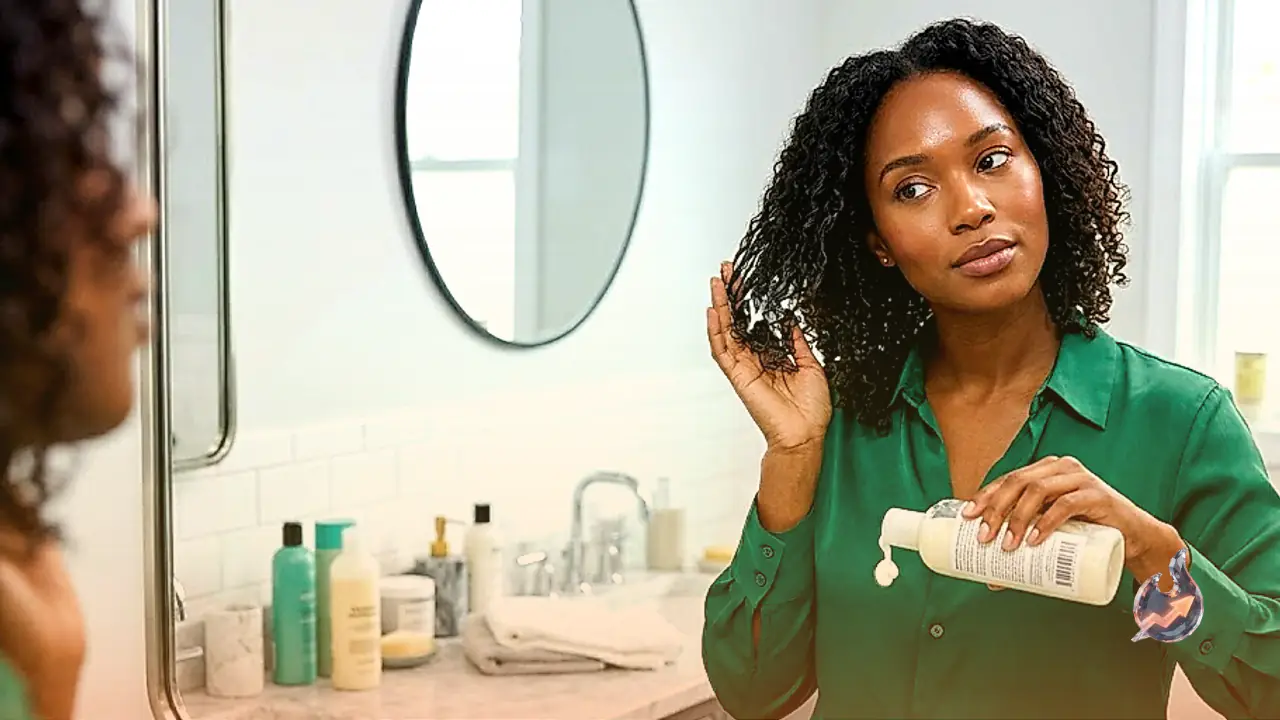

























Generations of households have revered almonds as an essential pillar of nutrition and overall vigor. Grandmothers have traditionally advised consuming them daily to sharpen cognitive focus and fortify the body. Yet, the true potential of this versatile nut extends well beyond the breakfast plate. When properly processed, the oil extracted from almonds becomes an extraordinary natural treatment capable of revitalizing complexions and restoring brittle hair to complete health.
The central dilemma facing consumers today is that commercial bottles bearing pure or natural claims often contain cheap mineral oils and artificial perfumes. Such hidden additives can trigger pore blockages on the face and accelerate scalp irritation or shedding. By relying on basic kitchen equipment and genuine whole ingredients, anyone can bypass industrial chemicals and craft high-grade almond oil in the comfort of their home.
Required Supplies for Natural Extraction
Creating this therapeutic oil requires only a handful of readily available supplies. The primary ingredient is approximately 600 grams of premium-quality dry almonds. Lukewarm water is necessary both for soaking and for aiding the initial separation of fats during blending. To strain the liquid smoothly, keep a piece of pristine cotton or fine muslin cloth ready. Finally, a thoroughly sanitized and dry glass container or airtight jar must be on hand to preserve the extracted oil from air and moisture degradation.
Initial Preparation and Roasting Steps
The journey begins with proper nut hydration. Place the entire 600 grams of almonds into a bowl, cover them with fresh water, and leave them undisturbed for 5 to 8 hours. Once this soaking period elapses, drain the excess water thoroughly through a sieve. Spread the damp nuts across a flat tray or cloth and place them under the sun to remove all lingering surface wetness.
Once completely dry, transfer the nuts into an oven for a gentle, brief roast lasting just a few minutes. This gentle exposure to warmth is crucial: it activates the natural fats within the almond meat and significantly enriches the natural aroma and richness of the final oil.
First Technique: Warm Water Blending and Cloth Pressing
For the manual pressing technique, place the roasted almonds into an electric grinder and pulse them until they form a coarse, crumbly powder. Transfer this meal into a clean mixing vessel. Add a controlled splash of lukewarm water and stir gently using your fingers. Because natural oils naturally repel water molecules, a glistening oily film will quickly rise to the surface.
Transfer this damp, crumbly paste into the center of your muslin or cotton cloth. Bring the corners together to fashion a firm pouch, and squeeze the bundle with steady hand pressure over a clean bowl. Pure golden liquid will begin dripping out continuously. After collecting the yield, allow the liquid to sit undisturbed for a few hours. Any residual coarse sediment will settle to the floor of the bowl, allowing you to decant clear, purified almond oil into an airtight glass jar.
Second Technique: The Slow-Separation Butter Strategy
If you prefer a hands-off mechanical route, the butter separation method delivers excellent results with minimal exertion. Take the roasted dry almonds and process them in a heavy-duty food processor or grinder without pausing at the powder stage. Continue blending until the friction and released lipids transform the nuts into an ultra-smooth almond butter paste.
Scoop this silky paste into a sterilized glass container, seal the lid tightly, and place it in a consistently warm area or under direct sunlight on a window sill for 10 to 14 days. As the days pass, ambient warmth will prompt the natural unadulterated oil to disengage from the heavier nut solids and float neatly to the top. After a couple of weeks, this clean, unrefined layer can be cleanly scooped or siphoned off for immediate cosmetic application.
Holistic Advantages for Complexion and Scalp
This artisanal extraction yields deep hydration without leaving greasy synthetic residues behind. When blended with a pinch of granulated sugar, the raw oil functions as a gentle, non-irritating exfoliating scrub for both facial skin and the body. This combination sloughs away dull, dead skin cells, encouraging rapid renewal and unveiling a healthy, natural glow. For hair, the rich fatty acids penetrate straight into the follicles, fortifying weak roots, slowing premature strand loss, and sealing in moisture to impart lasting softness and gloss.
Best Practices for Daily Application
To refresh tired facial skin, place just a few drops of the liquid onto clean palms and work it gently into the face or body using circular, upward strokes. When preparing a quick polish, combine the oil with granulated sugar, massage the mixture lightly over the cheeks and forehead, and rinse off thoroughly with fresh, cool water.
For deep scalp rehabilitation, warm a small portion of the oil until it is slightly tepid. Apply it evenly across the scalp and through the entire length of the hair strands, working it in with your fingertips for 5 to 10 minutes to stimulate circulation. Allow the restorative treatment to absorb for a minimum of one hour, or leave it in overnight under a wrap before washing it out using a mild, sulfate-free shampoo.