






















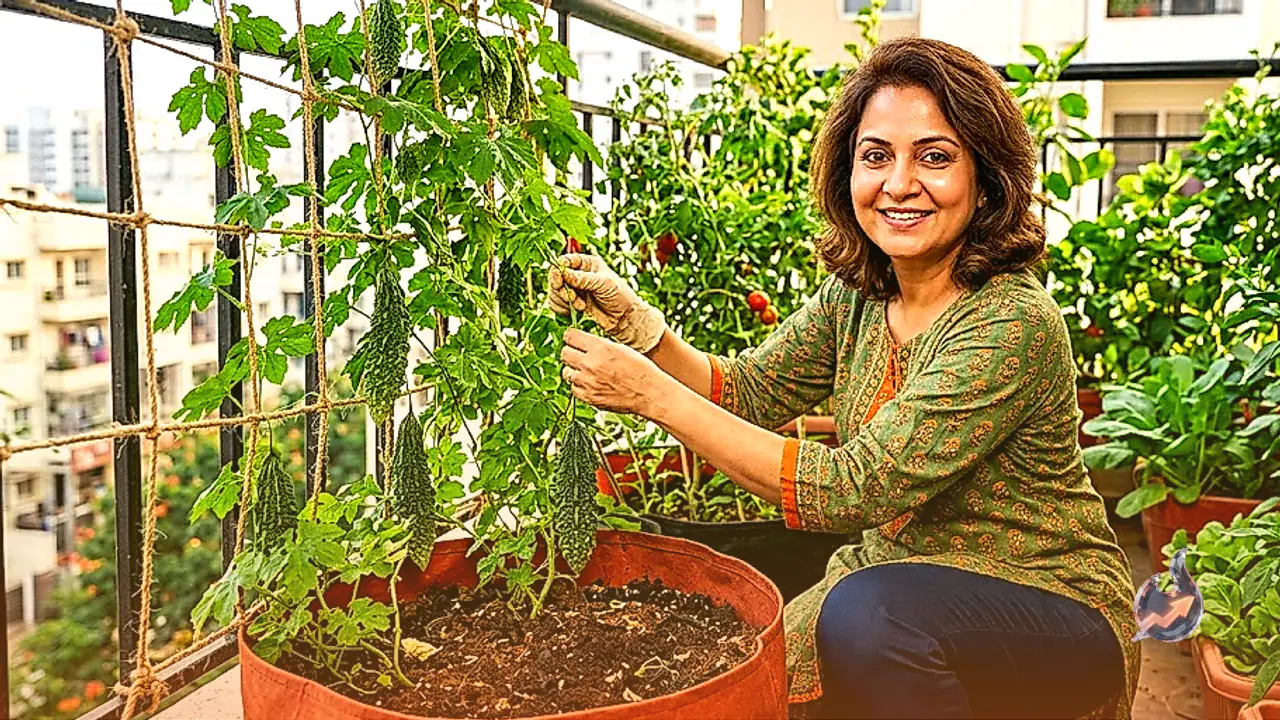

Despite its distinctly bitter flavour, bitter gourd holds an essential and celebrated place across traditional Indian kitchens. Enthusiastic home gardeners do not need expansive outdoor plots or farm acreage to cultivate this vegetable, because even a compact terrace or a modest balcony corner offers sufficient room to raise a thriving plant in a container. The vine does not consume excessive ground surface area, relying instead on sturdy upright vertical structures to climb and flourish. When supplied with nutrient-rich potting soil, generous daily sunshine, balanced moisture, and high-quality organic fertiliser, a single container-grown vine can produce a generous and steady harvest of fresh vegetables.
Enriching Potting Soil with Vermicompost
Securing a flourishing harvest begins with constructing an optimal soil foundation that sustains vigorous root growth. Mixing vermicompost, commonly known as earthworm compost, into the container mix is one of the most effective ways to nurture the plant. This organic amendment is packed with natural nutrients that improve soil texture, boost aeration, and support rapid vine development. When preparing the container, thoroughly blend properly matured vermicompost into the potting soil. Using a generous quantity of organic compost rather than a meager pinch ensures that the growing vine receives sustained nourishment throughout its lifecycle.
Selecting the Right Container and Sowing Seeds
Because bitter gourd vines develop extensive root systems and expand rapidly, choosing a sufficiently large pot is critical for long-term health. The container should measure at least 15 to 18 inches in depth and width to provide unhindered root expansion. It is equally crucial to verify that the drainage holes at the base of the pot are completely clear. Defective drainage causes excess water to accumulate in the root zone, creating waterlogged conditions that quickly rot tender roots. Sourcing superior quality seeds is another key step toward a productive harvest. Soaking the selected seeds in water for a few hours before planting helps soften the outer seed coat and speeds up germination. Sow the soaked seeds roughly 1 to 2 inches deep into the soil and cover them gently with loose dirt. Water the soil carefully after planting, keeping it uniformly moist while avoiding standing puddles.
Providing Trellis Support and Managing Sun and Moisture
As a climbing vine, bitter gourd requires sturdy physical assistance to rise upward, which can be accomplished using wooden stakes, a wire mesh trellis, or a firm frame. Gardeners should gently guide the young tendrils onto the supporting structure so the plant climbs naturally. This vertical arrangement conserves floor space on balconies and prevents hanging gourds from touching damp soil where they might rot or suffer pest damage. Bitter gourd thrives under intense solar exposure, making it essential to position the container in a spot receiving several hours of direct daily sunlight. Watering routines should be dictated by soil condition: apply moisture only when the top layer of soil feels dry to the touch. The plant demands higher moisture during dry summer heatwaves, while watering must be scaled back significantly during the rainy season to prevent saturated soil.
Routine Maintenance and Timely Harvesting
Maintaining a clean growing environment is vital for consistent yields. Regularly pull out any competing weeds that sprout inside the pot so that all soil nutrients remain reserved for the vine. Prune away dried, yellowing, or damaged foliage periodically to preserve plant vitality and improve airflow through the dense leaves. Once fruits begin developing on the vine, avoid waiting for them to grow oversized or turn overripe before picking. Harvesting the gourds regularly as soon as they reach their natural edible size encourages the vine to divert its energy into continuous flowering and producing fresh waves of vegetables.