























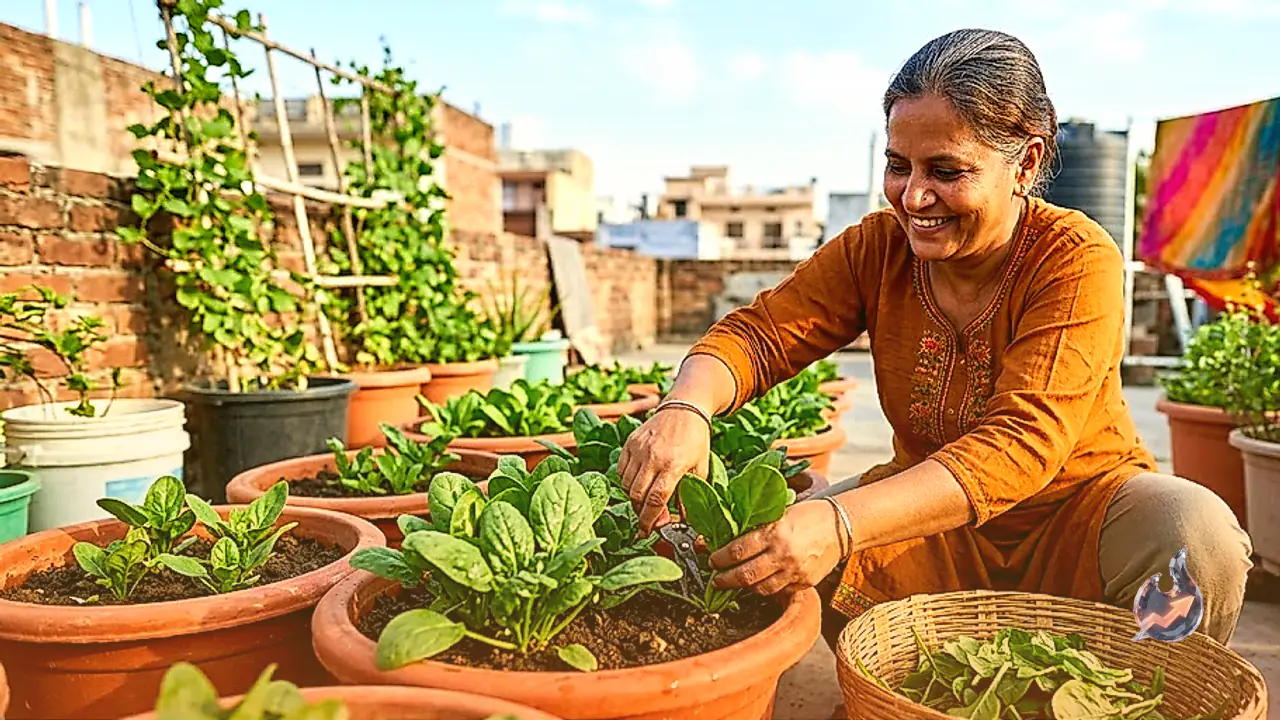

Spinach is widely recognized as one of the most nutritious leafy green vegetables in everyday culinary routines. Because it is cooked frequently in Indian households, buying fresh spinach from local markets on a daily basis can be both inconvenient and expensive, alongside concerns regarding chemical pesticide residues. Gardening insights shared from Bhilwara demonstrate how easy it is to cultivate fresh, organic spinach right at home using kitchen gardening practices. Even with limited space on balconies or terraces, growing healthy spinach in ordinary pots requires minimal effort and basic care routines.
Selecting the Right Pot and Ensuring Proper Drainage
The foundation of a successful container garden begins with choosing an appropriate container. Spinach plants do not require extremely large or deep containers to thrive. A pot measuring roughly 8 to 12 inches in depth provides ample space for the root system to expand comfortably. Whether using plastic, clay, or concrete pots, ensuring functional drainage holes at the bottom is absolutely critical. Without adequate drainage, excess water accumulates at the base, leading to root rot and weak plant development.
Soil Mix Preparation and Sunlight Exposure
To foster rapid and vigorous growth, the potting soil must be rich in organic nutrients. Mixing regular garden soil with organic manure or vermicompost creates a nutrient-rich foundation that supports healthier foliage. Positioning the pot in an optimal spot is equally vital. Spinach thrives when exposed to adequate natural sunlight every day. Gentle morning sunlight is particularly beneficial for young seedlings. Placing containers where they receive mild sunlight ensures steady photosynthesis without scorching the tender leaves.
Watering Techniques and Moisture Maintenance
Regulating moisture levels is one of the most critical factors in maintaining vibrant spinach plants. After sowing the seeds, the soil should never be allowed to dry out completely, nor should it become waterlogged. Applying a light mist or gentle spray of water to keep the soil consistently moist is the best strategy. Water the container only when the top layer of soil feels slightly dry to the touch. During rainy spells or humid weather, reduce watering frequency significantly to prevent moisture buildup.
Aerating Soil and Thinning Dense Seedlings
Periodic soil aeration plays a key role in enhancing plant vitality. Gently loosening the topsoil around the pot improves air circulation and ensures oxygen reaches the roots effectively. When seeds germinate close together, overcrowding can stunt growth. Carefully removing weaker seedlings to create proper spacing between the remaining plants allows each individual plant to absorb sufficient water, sunlight, and nutrients from the soil, enabling leaves to grow larger and healthier.
Pest Management and Natural Plant Care
Regular inspection of the foliage helps detect early signs of pest infestations or plant diseases. Any leaves showing discoloration, yellowing, or insect damage should be pruned and removed immediately to protect the rest of the plant. Since these vegetables are grown for personal household consumption, chemical pesticides should never be applied without proper technical guidance. Maintaining cleanliness, balanced watering, adequate sunlight, and proper drainage remains the safest way to keep spinach healthy.
Correct Harvesting Methods for Continuous Yields
Once the spinach leaves grow sufficiently large, lush, and deep green, they are ready for harvest. Instead of uprooting the entire plant, harvest only the outer, fully mature leaves by gently picking or cutting them. Leaving the inner stems intact encourages continuous leaf production from the core. This selective harvesting method ensures a steady supply of fresh, homegrown spinach over an extended period with minimal space and effort.